

Egypt Birding Tour: Where Ancient Temples Meet the World’s Greatest Raptor Migration
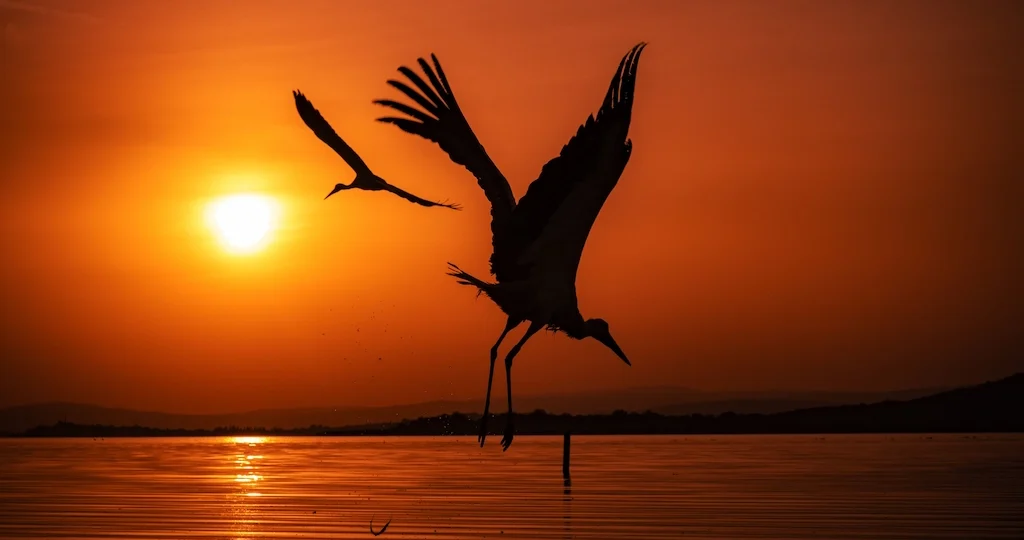
Ever wonder why binoculars outnumber cameras at Lake Nasser every autumn? An Egypt birding tour puts you inside one of the planet’s busiest migration corridors, and the show happens twice a year, right above ancient temple rooftops.
Why Does Egypt Attract Serious Birders From Around the World?
Egypt sits exactly where Africa, Asia, and Europe’s flight paths collide. Over 490 species have been recorded here, from resident Nile Valley specialties to Siberian waders passing through for a single season. Few countries pack river, desert, coast, and wetland habitats into one manageable itinerary.
- Nile Valley wetlands, reed beds, and farmland
- Red Sea coastal lagoons and mangroves
- Western desert oases
- Sinai’s mountain passes
Curious what else the Nile Valley hides between sightings? Browse our Luxor tours and pair a morning bird walk with an afternoon among the temples.
The Sky Bridge That Moves a Million Raptors a Year
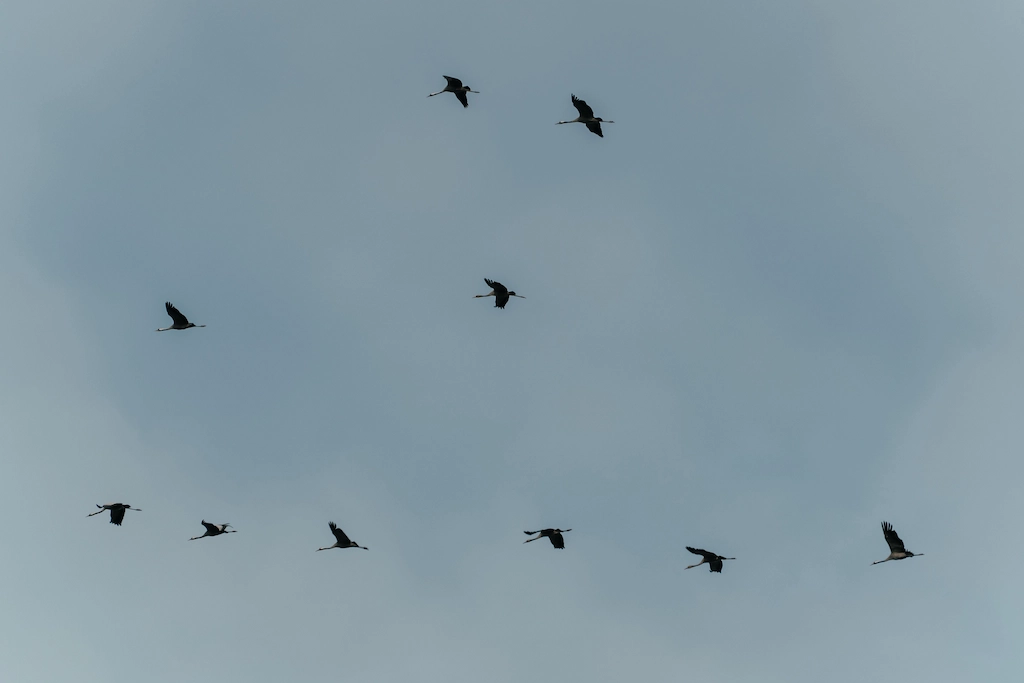
Twice a year, Egypt becomes a sky bridge. Roughly 1.5 million soaring birds, including white storks, European honey buzzards, and steppe eagles, funnel down the Gulf of Suez because open water blocks their thermal-riding flight.
Zaranik Protectorate and the cliffs near Ras Gharib turn into natural amphitheaters where whole kettles of raptors spiral overhead at once.
“I’ve counted over four thousand honey buzzards pass a single ridge in one afternoon,” says Karim, a field guide who leads Nile Travel Machine’s birding groups along the Gulf of Suez. “Bring a folding chair, not just a scope. You’ll be looking up for hours.”
Where Should Your Egypt Birding Tour Stop?
The right stops depend on the season, but five regions consistently deliver results.
- Lake Nasser & Aswan – African darters, pelicans, and Nile wetlands south of the High Dam. Pair a dawn boat ride with our Aswan tours for temples in the afternoon.
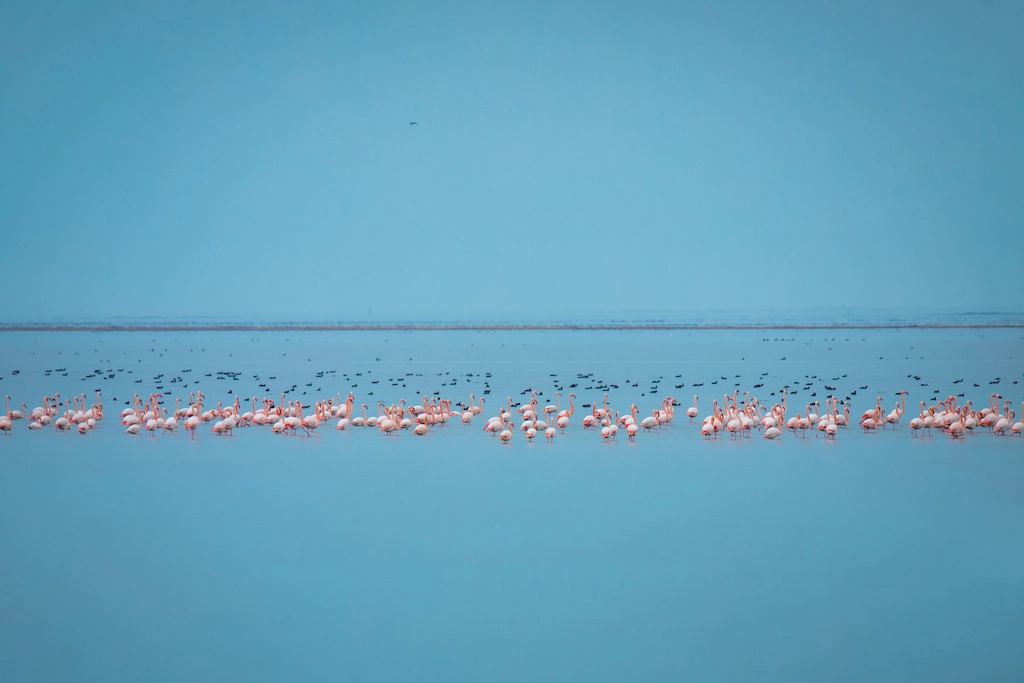
- Fayoum & Wadi El Rayan – Egypt’s original birding hotspot, known for flamingos and wintering waterfowl on Qarun Lake.
- Zaranik Protectorate & North Sinai – a Ramsar-listed wetland and the country’s premier raptor-watching corridor.
- St. Katherine Protectorate – home to the Sinai rosefinch and other mountain specialists found nowhere else in Egypt.
- Luxor’s Nile Banks & Farmland – pied kingfishers, hoopoes, and cattle egrets against a backdrop of Theban temples.
Ready to add wingspans to your itinerary? Explore our Cairo day tours and start the birding leg of your trip where the pyramids meet the Nile floodplain.
Which Months Give You the Biggest Bird Counts?
Timing decides almost everything on an Egypt birding tour. Autumn passage and spring return bring the raptor rivers, while winter suits wetland specialists and waterfowl.
| Season | Months | What You’ll See | Best Region |
|---|---|---|---|
| Autumn migration | September – November | Honey buzzards, white storks, steppe eagles | Zaranik, Suez, Ras Gharib |
| Winter waterfowl | December – February | Flamingos, pelicans, waders | Fayoum, Lake Nasser |
| Spring return | March – April | Raptors, warblers, shrikes | Sinai, Suez |
| Resident specialties | Year-round | Pied kingfisher, hoopoe, sunbirds | Luxor, Aswan, Nile Valley |
What Should You Pack for Serious Birding in Egypt?
- A spotting scope for raptor kettles passing at altitude
- Lightweight layers, since desert mornings run cold and afternoons don’t
- A dust-sealed bag for optics and cameras
- A regional field guide or app loaded for offline use
Do Protected Areas Require Permits for Birdwatchers?
Yes. Zaranik and St. Katherine are regulated protectorates, and entry needs advance clearance through a licensed operator. We handle permits, park fees, and ranger coordination before you land, so your mornings start with birds, not paperwork.
Prefer someone else to handle the logistics end to end? Book your Aswan & Luxor Nile Cruise today and we’ll build the birding stops around it.
For a broader look at the country’s protected landscapes and wildlife regions, Lonely Planet’s Egypt travel guide is a solid starting point. Trips through the Red Sea coast, including stays around Hurghada, also open up easy access to coastal lagoons between birding days.

Frequently Asked Questions
Do I need previous birdwatching experience to join?
No. Every Egypt birding tour we run mixes seasoned listers with total beginners. Guides carry spare optics and explain species as you spot them.
How many species might I realistically log in one week?
A focused week across the Nile Valley and Sinai typically yields 120 to 180 species, depending on season and how early you’re willing to start each morning.
Is a spotting scope necessary, or will binoculars do?
Binoculars cover most Nile Valley birding. A scope earns its weight at Zaranik and Ras Gharib, where raptor kettles pass at real altitude.
Where is the most reliable spot to see the Egyptian vulture?
Cliffs near Aswan and the Sinai highlands offer the steadiest sightings, especially during the spring passage.
An Egypt birding tour rewards patience with numbers few destinations can match: raptors by the thousand, wetlands by the lakeful, and temples watching quietly from the riverbank.
Pack light, look up often, and let the migration set your schedule. Start planning your Egypt birding tour with Nile Travel Machine today.
