Christmas Travel to Egypt: A Practical Guide to Booking, Weather and Crowds
Christmas travel is easier when you know the practical side in advance. Egypt is a popular winter choice, so the best seats, rooms and guides disappear early, while the weather is at its most comfortable. This guide covers what matters most for Christmas holiday travel: booking windows, weather by city, paperwork, crowds, money and packing.
For festive events and traditions, read our guide to Christmas in Egypt first, then use this page to plan the details.
When should you book Christmas travel to Egypt?
Book flights and cruise cabins first, because they sell out soonest. For travel between 20 December and 2 January, aim to secure flights and Nile cabins two to three months ahead, hotels about two months ahead and private day tours at least a few weeks before departure.
If you are flexible, travelling around the edges of the peak weeks gives you more choice and a calmer experience. Our best time of year to visit Egypt guide explains why December and January suit most travellers.
What is the weather like for Christmas travel in Egypt?
Winter is the cool, dry season, and December is among the most pleasant months. The table shows what to expect in the main places visitors travel to, so you can pack and plan sensibly.
| Place | December weather and what it means |
|---|---|
| Cairo | Mild days around 19 to 20°C and cool nights, ideal for the pyramids and museums. |
| Alexandria | Cooler and breezier, with occasional rain, better for walks than for swimming. |
| Luxor | Warm, dry days in the low to mid 20s, with cold evenings by the river. |
| Aswan | The warmest of the Nile cities, with sunny days and a relaxed pace. |
| Hurghada and the Red Sea | Warm days and cool seas, suitable for swimming around midday and snorkelling. |
Evenings and desert mornings can be surprisingly cold, so treat layers as essential rather than optional.
What are the peak dates for travel around Christmas?
The busiest period runs roughly from 23 December to 2 January, when prices and crowds both peak. Christmas Eve and New Year’s Eve are the most crowded nights, and Coptic Christmas on 7 January is a national holiday that can mean some closures and busy churches.
For the best balance, travel from 15 to 20 December, or choose the first half of January. You will see the same sights with shorter queues and often better prices.
Do you need a visa for Christmas travel?
Most visitors do. Many nationalities can apply online through the official Egyptian e-visa portal, and others can obtain a visa on arrival. Rules vary by passport and can change, so confirm the requirement for your nationality before you pay.
- Passport valid for at least six months from your arrival date.
- Return or onward ticket and a printed hotel confirmation.
- Travel insurance that covers medical care and cancellations.
- A digital copy of every document stored on your phone.
How do you get around during Christmas holiday travel?
For longer distances, domestic flights are the fastest option, with Cairo to Luxor or Aswan taking around an hour. Sleeper trains and private cars suit travellers with more time, and Nile cruises combine transport and accommodation. Within cities, pre-booked drivers are simpler than negotiating fares.
Start with a city that is easy to enjoy, such as Cairo, and build outward. Our plan a trip to Egypt guide has a clear step-by-step approach for first-time visitors.
Which sights need advance booking in December?
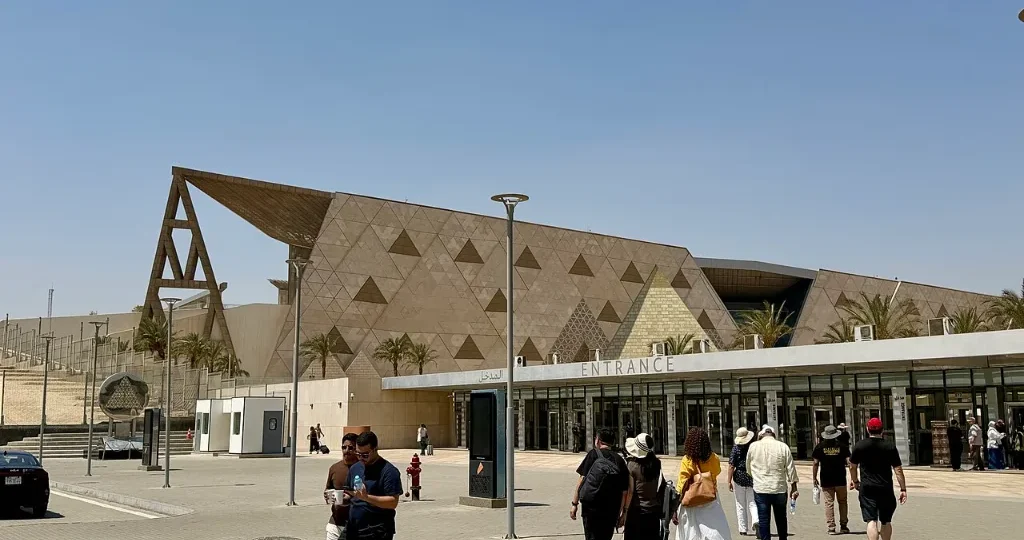
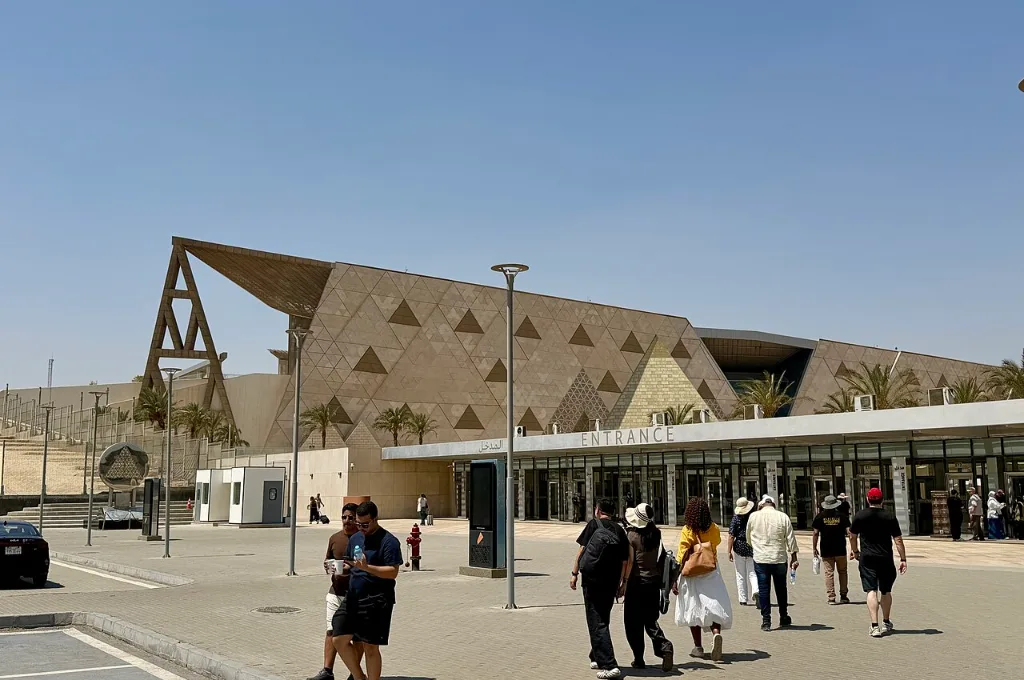
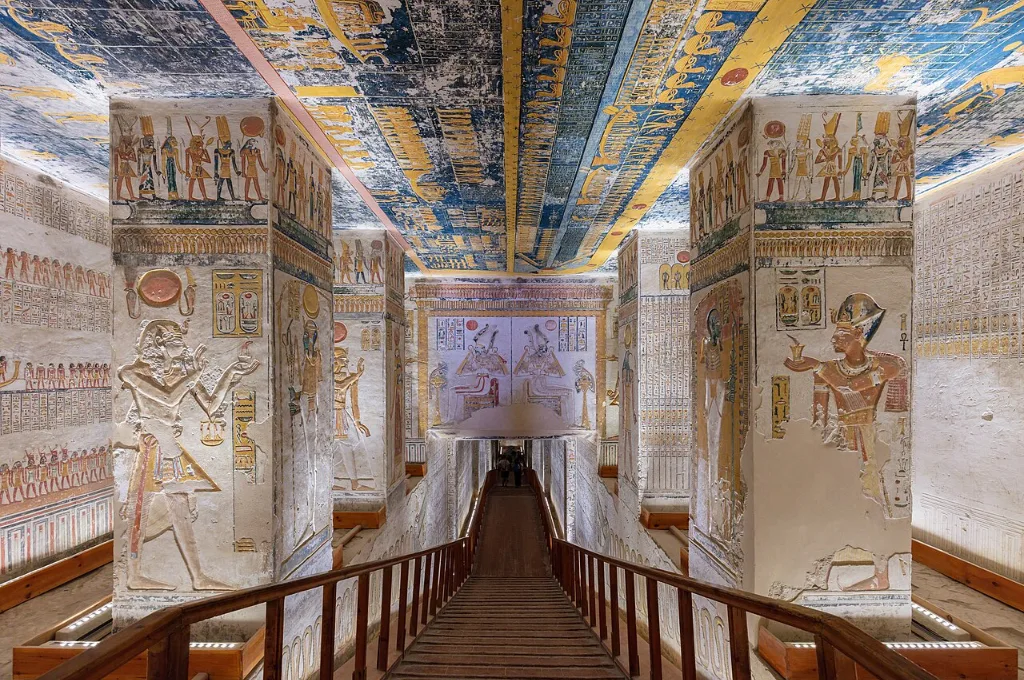
The most popular sights are busiest in the morning, and some require advance tickets. The Grand Egyptian Museum is best booked ahead, while major temples and the Valley of the Kings sell tickets on site. Ask your guide to plan the order of visits so you reach the busiest sights before the crowds.
A well-planned sequence saves hours. For a first-time visitor, our 8-day Egypt itinerary shows how to fit Cairo, Luxor and Aswan together without rushing.
What should you pack and how much money do you need?
Pack for variable weather: light clothes for the day, a jacket for the evening, comfortable shoes and sun protection. Carry some Egyptian pounds in small notes for tips and small purchases, and use cards in larger hotels and restaurants. ATMs are easy to find in cities, but less common at remote sites.
Tipping is part of daily life, so keep small notes handy. Ask your guide how much is customary for drivers, cruise staff and restaurant service, and avoid carrying valuables you do not need.
How can you avoid the crowds while travelling over Christmas?
Start early. Most groups arrive between 9 and 11 in the morning, so being at the gate at opening time gives you the quietest hour of the day. Keep the middle of the day for lunch and rest, then return to sightseeing when the light is softer and queues have eased.
Choose the quieter corners as well. In Cairo, balance the pyramids with less visited places such as Coptic Cairo or the old mosques, and in the south add a day for a smaller temple. A guide who knows the timing of each site can save you hours over a busy week.
Frequently asked questions
Do I need to book the Grand Egyptian Museum in advance?
It is wise to, particularly in the last week of December. Tickets and time slots can sell out, so reserve a morning slot and ask your guide to schedule the museum on a day with free time.
Is the tap water safe to drink?
Drink bottled or filtered water and avoid ice unless you know the source. Most hotels and cruise ships provide bottled water, and restaurants in tourist areas follow the same practice.
Which currency should I carry?
Carry Egyptian pounds for tips, taxis and small shops. Larger hotels may quote in dollars or euros, but you will usually get better value paying in local currency where possible.
Are shops and restaurants open on 25 December?
Yes, in tourist areas most shops, restaurants and attractions open as usual. Some local businesses close on 7 January for Coptic Christmas, so plan errands for another day.
Plan your Christmas travel with local support
Good logistics make a holiday feel effortless. Send us your dates, group size and interests and we will build a plan with the right pace, transport and guides, and tell you plainly which parts need booking first.