

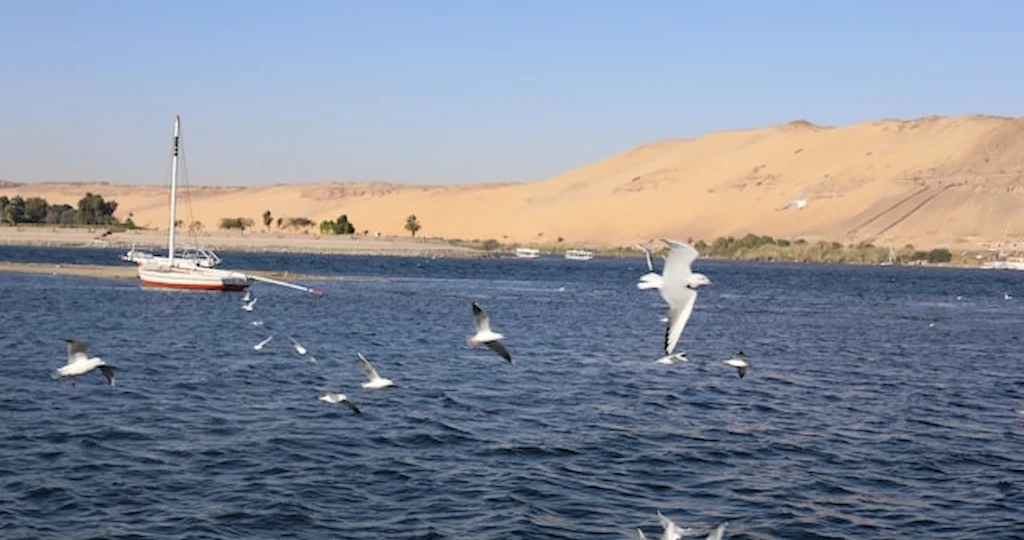
Aswan High Dam Egypt: The Interesting Story Behind Lake Nasser
Why does nearly every Aswan itinerary set aside time for a concrete embankment instead of another temple? The Aswan High Dam Egypt built between 1960 and 1970 quietly rewired the entire Nile Valley — its floods, its farmland, and even which animals still swim its waters today.
What Makes the Aswan High Dam Worth the Stop?
The dam ended Egypt’s oldest enemy: the unpredictable Nile flood. Before 1970, a weak flood meant famine and a strong one meant ruined villages. The High Dam changed that permanently by putting engineers in full control of the river’s flow, generating a steady supply of hydroelectric power, and creating Lake Nasser, one of the largest man-made reservoirs on Earth.
- Length at the top: roughly 3,830 meters, spanning the Nile and the desert on both banks
- Height: about 111 meters above the riverbed
- Construction period: January 1960 to July 1970, formally inaugurated in January 1971
- Reservoir created: Lake Nasser, stretching hundreds of kilometers into Sudan
Curious what the river looks like once it leaves the dam? Our Aswan tours put you on the water within the hour.
Aswan’s Two Dams: How the British Low Dam and the High Dam Compare
Aswan actually has two dams, and mixing them up is the most common mistake first-time visitors make. The older one predates the High Dam by more than half a century.
| Feature | Aswan Low Dam | Aswan High Dam |
|---|---|---|
| Built | 1898 – 1902 | 1960 – 1970 |
| Built by | British engineers under Anglo-Egyptian rule | Egypt, with Soviet engineering and financing |
| Opened | December 10, 1902, by the Duke of Connaught | Formally inaugurated in January 1971 |
| Main purpose | Basic flood and irrigation control | Full flood control, hydroelectric power, and Lake Nasser |
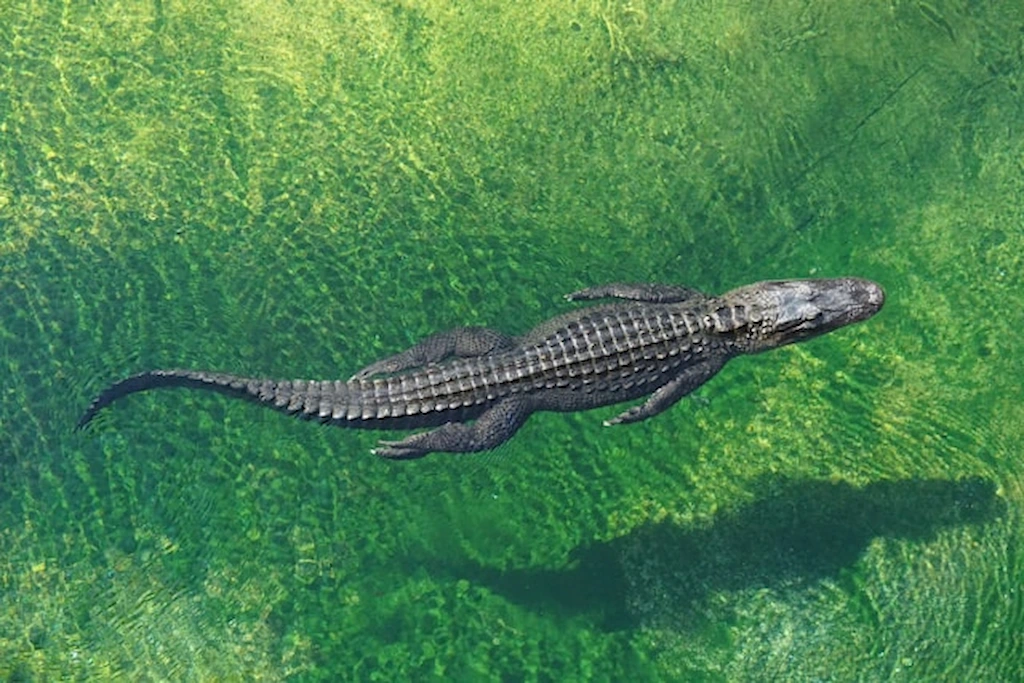
Why the Nile’s Crocodiles Never Made It Past Aswan Again
Ancient Egyptians worshipped the Nile crocodile as the god Sobek at temples just north of here in Kom Ombo, yet no wild crocodile lives in that stretch of the river today.
The reason traces directly back to the dam: Nile crocodiles now stay almost entirely south of it, inside Lake Nasser, because the structure itself blocks their route downstream.
It’s one of the few places on Earth where a single piece of modern engineering redrew the range of an animal that outlived the pharaohs.
Want to see where the river changes character completely? Add Lake Nasser to your Luxor and Aswan Nile cruise itinerary.
What Did Egypt Gain, and What Did It Cost?
Every major dam trades one set of problems for another, and the High Dam is no exception.
| What Egypt Gained | What It Cost |
|---|---|
| Year-round irrigation and bigger harvests | Loss of the Nile’s natural silt, raising fertilizer costs for farmers |
| Reliable hydroelectric power for the national grid | A rising water table that damaged ancient monuments and city sewer systems |
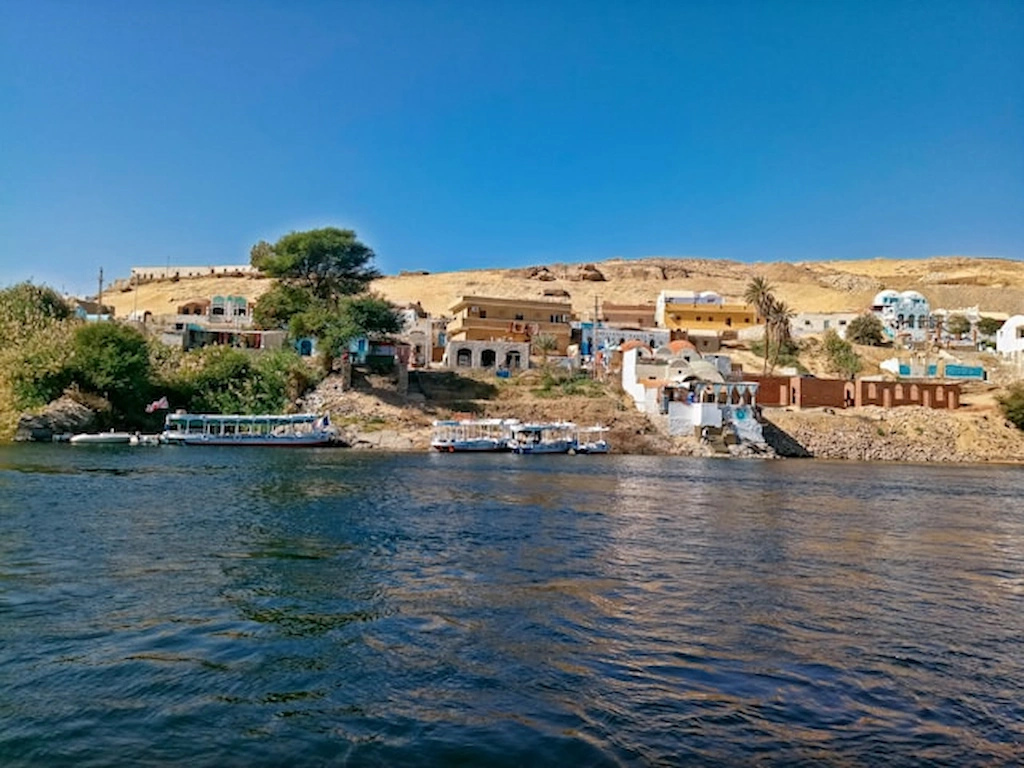
| Flood and drought protection for the whole Nile Valley | Displacement of Nubian communities whose villages were flooded by Lake Nasser |
| A stable water reserve during regional droughts | A documented drop in Mediterranean sardine catches, linked to less silt reaching the sea |
Visiting the Dam: Tickets, Viewpoint & Photos
A general admission ticket covers the public viewing area and the small on-site model of the dam; prices are set in Egyptian pounds and are best confirmed with your guide on the day, since rates are adjusted periodically.
The main viewpoint sits above the western end of the dam, looking out over Lake Nasser on one side and the older Aswan Low Dam channel on the other, which is the best angle for photos, especially in the soft light of early morning before the midday haze builds up.
Photography is generally allowed from the public viewpoint, though nearby military zones stay off-limits, so it’s worth keeping to the marked visitor area.
A Nile Cruise Guide’s View From the Dam
“Most guides treat the High Dam stop as a formality, but ours don’t,” says Mostafa, a Nile Travel Machine Egyptologist guide based in Aswan for over a decade.
“I always tell guests to look south before they look at the dam itself — that view of Lake Nasser disappearing into the horizon says more about Egypt’s water security than any plaque ever could.”
His practical tip: bring sunglasses and visit early, since the walkway offers almost no shade and the midday glare off the water gets intense.
The dam stop pairs naturally with the temples it saved — see our Kalabsha Temple tour or Philae Temple tour for the relocated monuments nearby.
For readers who want a deeper technical breakdown of the dam’s construction, Britannica’s entry on the Aswan High Dam is a solid reference.
Ready to add this stop to your own Nile journey? Book an Aswan day tour that pairs the High Dam with Philae Temple and the Unfinished Obelisk in one smooth route. Travelers combining Upper Egypt with the coast often extend the trip through our Hurghada tours as well.
The Cold War Politics Behind Egypt’s Biggest Engineering Project
The High Dam almost never got built the way it did. The United States and the World Bank withdrew their funding offer in 1956 amid rising Cold War tensions with Egypt’s government, a decision that pushed President Gamal Abdel Nasser to nationalize the Suez Canal and turn to the Soviet Union instead.
Soviet engineers and financing carried the project through the next decade, which is part of why the reservoir behind the dam carries Nasser’s own name: Lake Nasser.
Aswan High Dam Egypt: Quick Answers
Did the British already build a dam at Aswan before the High Dam?
Yes. British engineers built the original Aswan Dam, now called the Low Dam, between 1898 and 1902 — decades before the much larger Aswan High Dam Egypt project began in 1960.
Why did the US pull its funding for the Aswan High Dam?
Washington and the World Bank withdrew their financing offer in 1956 amid Cold War-era political tensions with Nasser’s government, prompting Egypt to accept Soviet financing instead.
What problems has the Aswan High Dam caused since it was built?
Its benefits came with trade-offs, including reduced natural silt for farmland, a rising water table near ancient monuments, and the resettlement of Nubian communities along the old riverbanks.
Are there still crocodiles near the Aswan High Dam today?
Yes, but almost entirely south of it. Nile crocodiles remain common inside Lake Nasser, while the dam itself keeps them from moving further down the river toward Aswan city.
Worth the Twenty-Minute Stop
The Aswan High Dam isn’t just a photo break between temples — it’s the reason Lake Nasser exists, the reason Nubian villages look the way they do today, and the reason the Nile no longer floods a single field by accident.
Ready to see it for yourself? Explore our Aswan tours and judge the trade-off firsthand.
