

Why was Hapi The God of the Nile the Most Essential Deity for the Pharaohs?
Close your eyes and imagine the desert 4,000 years ago—no rain, no modern irrigation, just a vast golden wasteland. Then, like a miracle, the river rises, bringing thick, black, fertile silt that turns the dust into an emerald paradise. To the Ancient Egyptians, this wasn’t just a geographical event; it was the arrival of Hapi The God of the Nile.
While other gods ruled the sun or the sky, Hapi ruled the stomach of Egypt. He was the “Lord of the River,” the bringer of food, and the reason an entire civilization didn’t starve. At Nile Travel Machine, we believe that sailing the Nile today is like walking in the footsteps of Hapi himself.
💡 When you visit the temples in Aswan or Kom Ombo, look at the base of the walls. You will often see carvings of Hapi carrying trays of food. He is always at the “bottom” because he is the foundation upon which all life was built. Experience the Nile with our Luxury Cruises.
Who was Hapi, and Why did He Look So Unique?
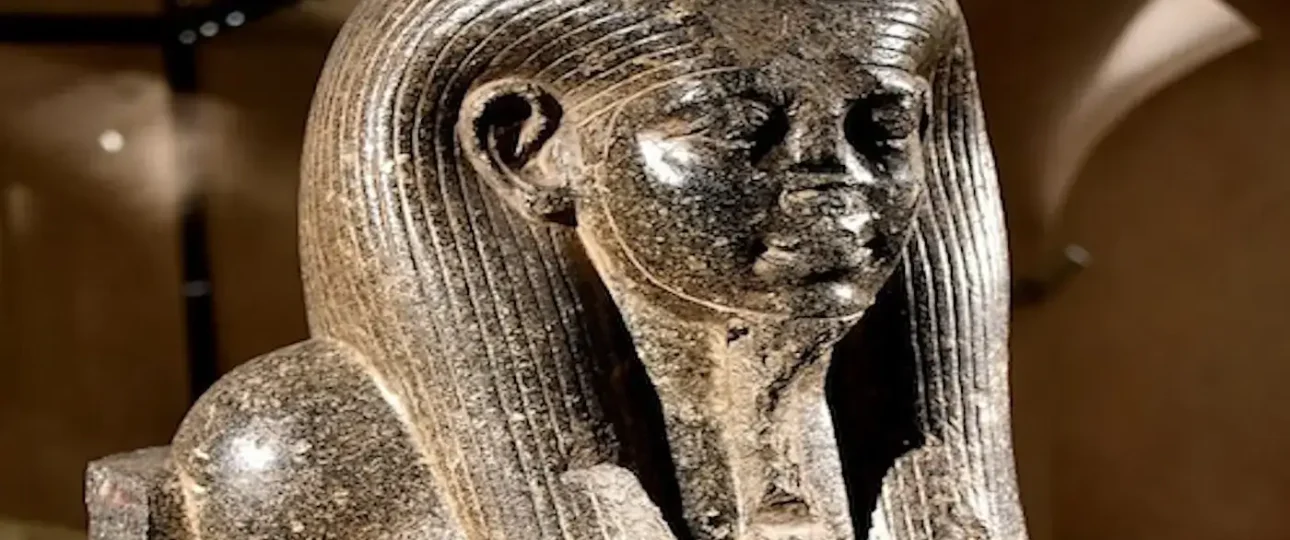
If you look at ancient carvings, Hapi The God of the Nile, is easy to spot, but his appearance often surprises modern travelers. He is usually depicted as a man with a large belly and female breasts.
Why this unusual form?
- Abundance and Fertility: His “plump” figure wasn’t about weight; it symbolized the “fat of the land”—the abundance of food. The breasts symbolized his role as a “nurturer,” feeding the people like a mother feeds her child.
- The Blue and Green Skin: Often painted in blue (the color of water) or green (the color of vegetation), Hapi represented the life cycle of the river itself.
How did Hapi Control the Fate of Ancient Egypt?
The Egyptians didn’t just worship the Nile (which they called Iteru); they worshipped the arrival of the flood, which was Hapi’s true power. This event was so important that it created the first season of their calendar: Akhet (The Inundation).
| The Role of Hapi | How it Impacted Egypt |
| Bringer of Silt | He deposited the “Black Land” (Kemet), which allowed farming. |
| Lord of the Fish and Birds | He controlled the marshes where Egyptians hunted and fished. |
| Guardian of the “First Cataract” | He was believed to live in a cave in Aswan, where the Nile began. |
Why are there Often “Two” Hapis in Ancient Art?
One of the most fascinating things you will see on a Nile Travel Machine tour is the “Sema-Tawy” carving. This shows two Hapis tying together two different plants: the Papyrus (representing Lower Egypt) and the Lotus (representing Upper Egypt).
This symbolism tells us that Hapi The God of the Nile, was the ultimate unifier. Without the river, there was no “North” or “South”—just desert. Hapi tied the country together, making him a political god as much as a religious one.
Where Can You Find Hapi’s Legacy in Egypt Today?
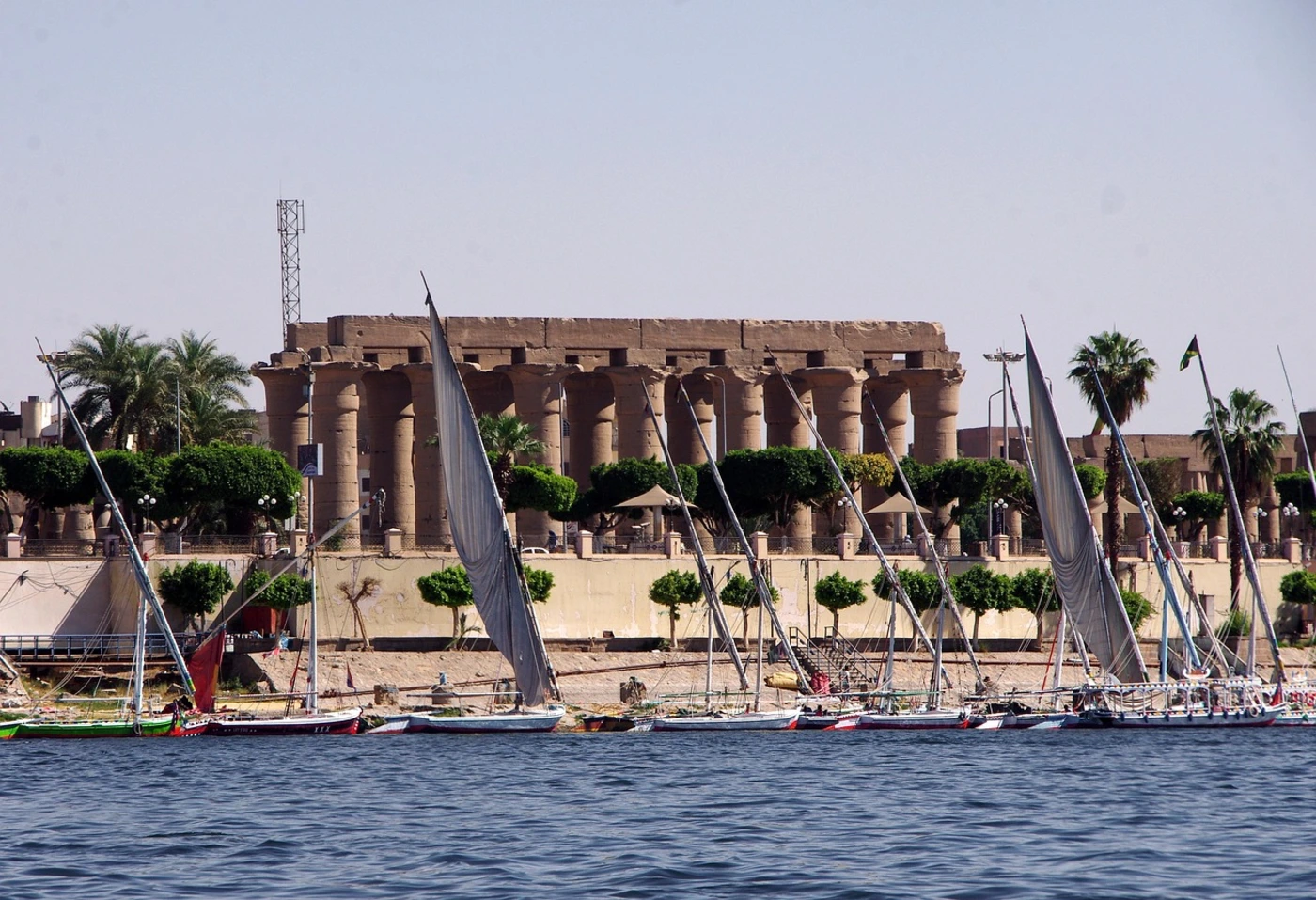
If you want to “meet” Hapi on your trip, you must head south. Here are the top spots where his spirit still lingers:
- Elephantine Island (Aswan): This was Hapi’s “home.” Here you can see the Nilometer, an ancient stone staircase used to measure the height of Hapi’s flood to predict taxes and harvests.
- The Temple of Philae: Dedicated to Isis, but with many beautiful depictions of Hapi pouring water from his jars, symbolizing the eternal flow of life.
- The Nile Itself: Every time you see a green field next to the desert sand, you are looking at the work of Hapi.
Ready to sail the river of the gods? Book Your Aswan & Luxor Nile Cruise Today and see the Nilometers for yourself.
Your Questions Answered – FAQ
Was Hapi the same as the Nile River?
Not exactly. The Nile was the physical water (Iteru), but Hapi The God of the Nile, was the spiritual force behind the Inundation (the flood). He was the power that made the water useful.
What is the connection between Hapi and Osiris?
Both are “Green Gods.” While Hapi brought the water, Osiris was often linked to the fertility of the soil and the grain that grew from it. Together, they ensured that Egypt would never go hungry.
Can I see Hapi in the Egyptian Museum?
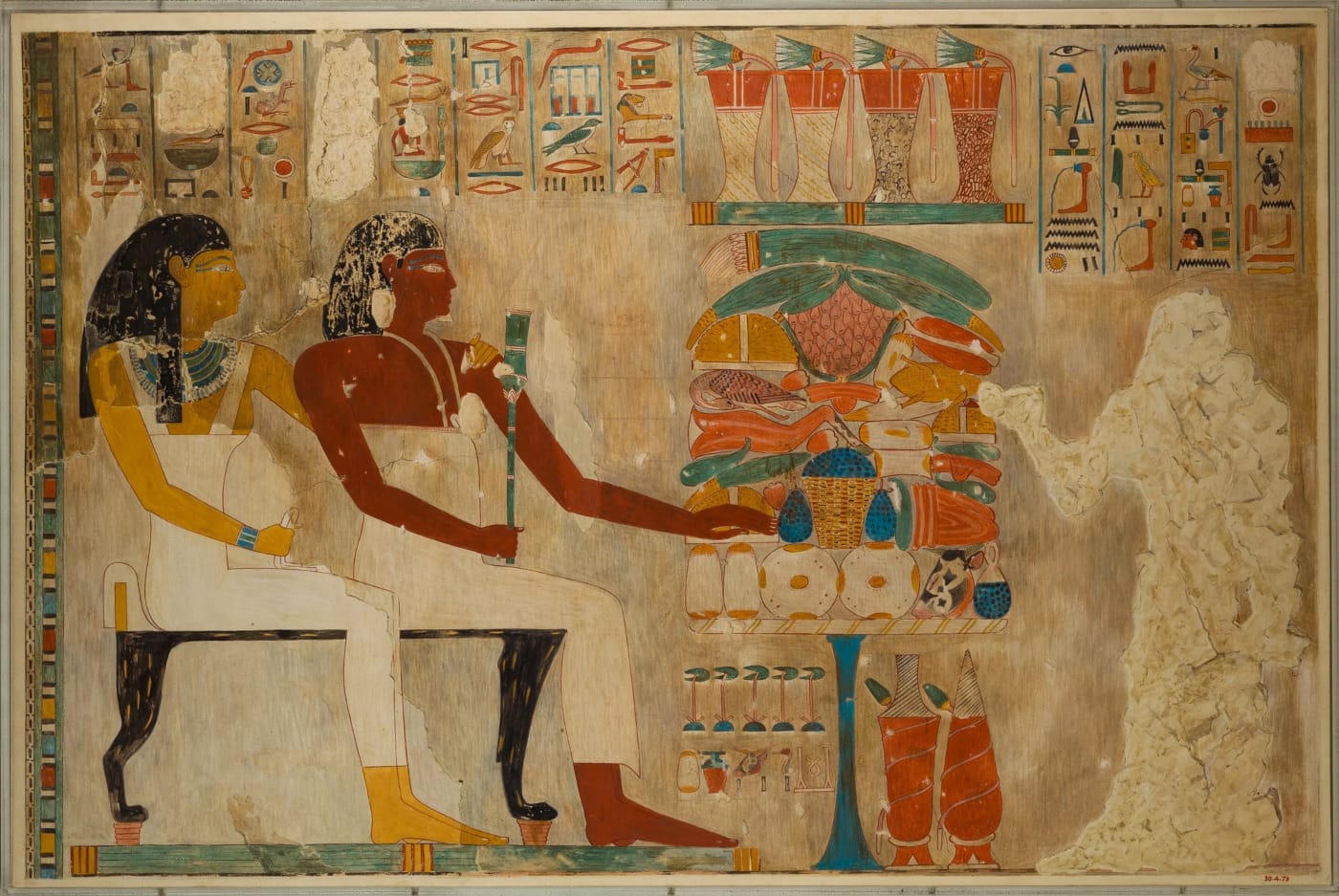
Yes! Look for the “Hapi Statues” from the 21st Dynasty or the beautiful offering tables. He is almost always shown with a tray of “Hepi” (offerings), which include bread, beer, and flowers.
Why Hapi Still Matters?
Hapi The God of the Nile, might be an ancient myth, but his lesson is timeless: water is life. When you stand on the deck of a boat, watching the sunset over the reeds, you realize that the same “nourishing spirit” Hapi represented is still what makes Egypt the most magical destination on Earth.
Explore the Wonders of the Nile with Nile Travel Machine, then talk to our Egyptologists and Plan Your Journey.
