


The Ultimate Guide to Traditional Dishes in Egypt: Taste the Most Popular Food Like a Local
Experience the soul of the Nile through its flavors. Traditional dishes in Egypt are a living history, blending 5,000 years of Pharaonic heritage with bold spice-trade influences. From bustling Cairo alleys to quiet Nile-side kitchens, we invite you to discover the most popular food in Egypt as only a local can.
Explore Egypt with Nile Travel Machine →
Why Traditional Dishes in Egypt Are Unique?
What sets Egyptian cuisine apart is its **”Ancient-to-Modern” continuity**. Unlike its neighbors, Egyptian food relies heavily on legumes, fresh vegetables, and unique aromatics rather than intense heat.
- Topical Fusion: A magnificent mix of African, Mediterranean, and Asian culinary legacies.
- The “Eish” Connection: Bread (Eish Baladi) isn’t just side-food; it’s a sacred tool for eating, symbolizing “life” itself.
- Plant-Based Roots: Naturally vegetarian-friendly, rooted in the ancient harvest of the Nile’s fertile soil.
A Culinary Crossroads (Key Historical Influences)
Egypt’s strategic location transformed it into a global culinary melting pot:
- Pharaonic Foundation: The birthplace of bread-making, fermented fish, and honey-based sweets.
- Islamic Influence: Introduced aromatic spices like cumin, coriander, and cinnamon (7th century).
- Ottoman Era: Brought the art of grilled meats (Kebab) and layered pastries (Baklava).
- Regional Touches: Mediterranean olive oils meet bold Nubian spice blends from the South.
- Nubian Traditions: Unique spice blends and traditional cooking methods from southern Egypt.
This rich tapestry of influences has created a cuisine that is distinctly Egyptian yet wonderfully diverse.
How Egyptian Cuisine Evolved (The Timeline)
I. Ancient Foundations (3000 BCE – 642 CE)
Ancient Egyptians were the world’s first “Foodies.” Tomb reliefs show over 40 types of bread and a deep reliance on lentils, fava beans, and Nile fish. Meat (like pigeon and duck) was a luxury saved for royal feasts.
II. The Spice Revolution (642 CE – 1517 CE)
The Islamic era redefined the Egyptian palate. New techniques like slow-cooking stews and the use of rose water, nuts, and complex spices (cardamom and black pepper) became staples of the “Theban” hospitality we see today.
III. The Modern Era (1517 – Present)
The Ottoman and Mediterranean influences solidified Egypt’s street food culture. Today, traditional dishes in Egypt represent a beautiful evolution—where an ancient bean recipe meets 16th-century grilling techniques.
Local Insight: To truly understand Egypt, you must taste it, experience Egyptian Culture with our tours
Today’s traditional dishes in Egypt represent this beautiful historical journey, with each recipe telling a story of cultural exchange and culinary innovation.
What Is the Most Popular Food in Egypt?
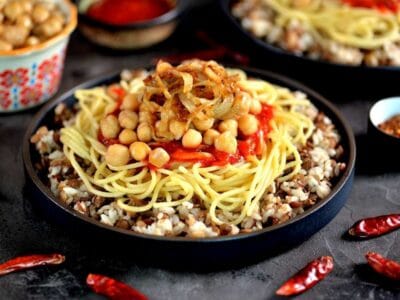
When asking about the most popular food in Egypt, one dish stands above all others: Kushari (also spelled Koshari or Koshary). This beloved national dish is Egypt’s ultimate comfort food, enjoyed by everyone from students to businesspeople, and served everywhere from street carts to upscale restaurants.
Kushari – Egypt’s National Dish and The Masterpiece of Egyptian Ingenuity
What makes Kushari special? Kushari is a masterful vegetarian composition that combines:
- The Base: A hearty mix of fluffy rice, brown lentils, and macaroni.
- The Texture: Topped with protein-rich chickpeas and a signature layer of crispy golden fried onions (known locally as Warda).
- The Soul: A zesty tomato sauce spiced with cumin and vinegar.
- The Customizers: Two essential sides—Daka (garlic-vinegar sauce) and Shatta (spicy chili oil) for those who love heat.
- Rice: Fluffy and aromatic
- Macaroni: Small pasta shapes
- Lentils: Usually brown or black
- Chickpeas: Adding texture and protein
- Fried onions: Crispy golden topping
- Garlic sauce: Optional but delicious
Kushari represents Egyptian ingenuity—transforming simple, affordable ingredients into something truly extraordinary. No visit to Egypt is complete without trying this iconic dish!
Why Is Kushari So Beloved?
Kushari isn’t just a meal; it’s an experience. Here’s why it defines the most popular food in Egypt:
- Nutritional Balance: A complete protein source, making it the perfect “fuel” for travelers exploring ancient temples.
- Universal Appeal: Naturally vegan and budget-friendly, yet surprisingly complex in flavor and texture.
- Cultural Symbol: It represents Egyptian resourcefulness—turning simple pantry staples into an extraordinary culinary icon.
- Affordable: One of Egypt’s most budget-friendly meals
- Filling: Hearty enough for laborers and active workers
- Vegetarian: Accessible to all dietary preferences
- Quick: Fast food in the best sense
- Delicious: Surprisingly complex flavors and textures
Don’t just eat it; mix it! The secret to the perfect Kushari experience is stirring all the layers together so every spoonful gets a hit of the crispy onions and the tangy garlic sauce. It’s the true taste of Cairo’s streets.
What Are the Must-Try Traditional Dishes in Egypt?
While Kushari is the king of lunch, the Egyptian table offers a treasure trove of flavors. To truly eat like a local, you must explore these traditional dishes in Egypt that have defined the Nile Valley’s palate for generations.
Hamam Mahshi – A Royal Ancient Delicacy
Pigeon has been an Egyptian delicacy since the time of the Pharaohs. Hamam Mahshi is a whole pigeon stuffed with either spiced rice or Freekeh (cracked green wheat), then roasted until golden brown. It is often served at weddings and special celebrations as a symbol of hospitality.
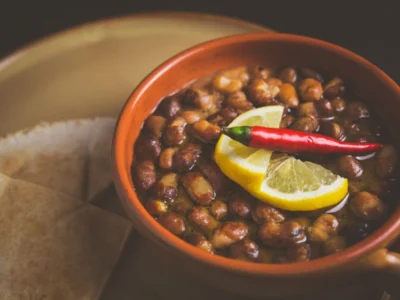
Ful Medames – The Ancient Breakfast of Champions
Ful Medames is arguably the world’s most ancient dish, with roots dating back to Pharaonic times. It is the “beating heart” of Egyptian breakfast—a slow-cooked fava bean stew that provides the perfect protein-packed start to your day of adventure.
What makes it special?
The magic lies in the slow-simmering process (often overnight in a large metal pot called a Qidra), which creates a creamy, earthy texture. It is traditionally seasoned with:
- The Essentials: Extra virgin olive oil, fresh lemon juice, and a pinch of aromatic cumin.
- The Aromatics: Finely minced garlic and a sprinkle of fresh parsley.
How to eat it like a local?
Ful is rarely eaten alone; it’s part of a communal spread. Typically served in a bowl, you’ll enjoy it with:
- The “Tool”: Warm, fluffy Egyptian Baladi bread used for scooping (never a spoon!).
- The Sides: Hard-boiled eggs, crunchy pickles, and “Areesh” white cheese.
- Fresh Crunch: A side platter of sliced tomatoes, cucumbers, and spicy radishes.
If you want the ultimate authentic experience, look for a street cart with a crowd in the morning. Ask for your Ful with ‘Zait Har’ (flaxseed oil)—it gives the beans a smoky, nutty depth that is quintessentially Egyptian and a secret favorite among locals.
Molokhia – The “Egyptian Soul Food”
Molokhia is a legendary green soup made from finely minced jute leaves. It is a unique traditional dish in Egypt known for its silky (mucilaginous) texture and incredible garlic-coriander aroma called the “Ta’leya.”
- Local Insight: Egyptians perform a “musical” deep breath known as the *Shah’a* when adding the garlic—it’s a ritual that guarantees the perfect pot!
- Best Paired With: Fluffy white rice, roasted chicken or rabbit, and a squeeze of fresh lemon to brighten the flavors.
Mahshi – The Art of Stuffed Vegetables
Mahshi (Arabic for “stuffed”) is the ultimate Sunday family meal. Vegetables are hollowed out and filled with a fragrant mix of seasoned rice, tomatoes, dill, and parsley.
- Top Varieties: Wara’ Enab: Velvety stuffed grape leaves.
- Koronb: Tender cabbage rolls.
- Kousa & Betingan: Zucchini and eggplant infused with tomato broth.
- Local Touch: It’s slow-cooked until the rice absorbs all the savory juices, making every bite melt in your mouth.
Kebab, Kofta & Shawarma – From the Charcoal Grill
Egyptian grilled meats focus on the pure quality of the cut, seasoned simply with salt, pepper, and cumin to let the charcoal smoke shine.
- Kebab: Marinated chunks of lamb or beef grilled to tender perfection.
- Kofta: Spiced ground meat formed into cylinders—crispy on the outside, juicy on the inside.
- Egyptian Shawarma: Unlike the Levantine version, our Shawarma is less about heavy spices and more about the balance of meat juices and rich garlic sauce (Tomeya) or Tahini.
Ta’ameya – The Vibrant Green Falafel
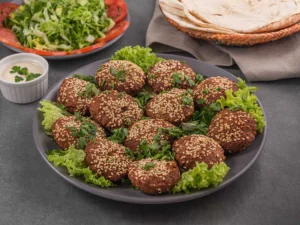
While the world knows falafel made from chickpeas, the most popular food in Egypt for breakfast is Ta’ameya. Made entirely from crushed fava beans and a mountain of fresh herbs (leeks, parsley, and cilantro), it is famously:
- Brighter Green: A vibrant interior that looks as fresh as it tastes.
- Fluffier Texture: Lighter and airier than the denser chickpea versions.
- Herbaceous Aroma: A distinct, savory perfume that fills the streets every morning.
- Serving Suggestion: Enjoy it hot from the fryer in a pita with Tahini, fresh salad, and spicy pickles.
What Are the Most Popular Egyptian Desserts?
Sweet Treasures: The Most Popular Egyptian Desserts
No culinary journey through traditional dishes in Egypt is complete without these iconic sweets:
- Om Ali: Egypt’s legendary bread pudding—puff pastry soaked in hot milk, cream, and nuts.
- Kunafa: Crunchy shredded pastry filled with cream or cheese and drizzled with rose-water syrup.
- Basbousa: A moist semolina cake topped with almonds; it’s the perfect companion to a cup of mint tea at a traditional Egyptian coffee shop.
- Roz bi Laban: Creamy rice pudding, often flavored with vanilla or mastic and served chilled.
- Baklava: Crisp layers of phyllo dough, notably less sweet than other regional versions, to let the nut flavors pop.
Where to Find Authentic Flavors? (Local Hubs)
To experience the true most popular food in Egypt, head to these historic culinary hubs:
- Old Cairo & Al-Moez Street: The best place for authentic street food, from fresh Ta’ameya to traditional Shawarma stalls.
- Khan El-Khalili: Ideal for sipping mint tea and trying traditional desserts in a 14th-century atmosphere.
- Downtown Cairo: A haven for local eateries where you can find “The Kings of Kushari” and classic breakfast spots.
- Alexandria’s Corniche: For the freshest Mediterranean-style seafood and unique coastal appetizers.
Regional Flavors: From the Coast to the Nile Valley
- Alexandria & The Coast: A Mediterranean paradise where fresh catch-of-the-day meets olive oil and garlic. Look for local seafood markets that grill your fish on-site using ancient “Singary” or “Redda” methods.
- Upper Egypt (Luxor & Aswan): This is the home of slow food. Expect unique Nubian influences, sun-baked bread (Shamsi), and richer, sun-infused flavors that reflect the warmth of the South.
What Should You Know About Egyptian Food Culture?
Dining in Egypt is a sacred act of hospitality. To eat like a local, remember these three pillars:
- Bread is Life: Locally called “Eish” (literally: life), Egyptian baladi bread is your primary utensil. Never place it upside down—it’s a sign of deep cultural respect.
- Hospitality (Karam): Expect generous portions. If you are a guest, a refusal of a second helping might be met with friendly insistence!
- The Shared Table: Most traditional dishes in Egypt are served family-style. Sharing is how we build “Ayish we Milh” (Bread and Salt)—the ultimate bond of friendship.
Seasonal Food Traditions
- Ramadan: The month of the ultimate feast. Streets transform into open-air dining halls for Iftar, where sweets like “Qatayef” and drinks like “Karkadeh” (Hibiscus) take center stage.
- Sham El Nessim: An ancient spring festival where Egyptians eat “Fesikh” (fermented fish) and green onions to celebrate the harvest—a tradition unchanged since the Pharaohs.
Essential Egyptian Food Vocabulary
- Bil hana wa shifa: “With health and healing” (Our version of *Bon Appétit*).
- Laziz / Mumtaz: “Delicious / Excellent.”
- Kefaya: “Enough” (Use this with a smile when you’re officially full!).
Frequently Asked Questions (FAQ)
What is the most popular food in Egypt for first-timers?
Kushari is the undisputed national dish. However, for a complete experience, we recommend a mix of Ful Medames for breakfast and Grilled Kofta for dinner.
Are traditional dishes in Egypt vegetarian-friendly?
Yes, Egypt is a vegetarian’s heaven! Most staples like Kushari, Ta’ameya, and Mahshi are naturally plant-based, relying on lentils, fava beans, and fresh harvest vegetables.
Is street food in Egypt safe?
Local street food is generally safe and incredibly fresh. Our tip: Eat where the locals crowd, choose freshly cooked hot items, and always stick to bottled water.
Ready to Taste the Authentic Flavors of Egypt?
Traditional dishes in Egypt are more than just recipes; they are a window into our history and warm hospitality. From the first bite of warm baladi bread to the last spoonful of creamy Om Ali, Egypt’s flavors will stay with you long after you leave.
Experience the Authentic Taste with Nile Travel Machine
Don’t just see Egypt—taste it. Our private tours and Dahabiya Nile Cruises offer exclusive culinary experiences:
- Private Food Tours through historic, hidden markets.
- Authentic Cooking Demonstrations with local families.
- Farm-to-Table Meals on the banks of the Nile.
– Explore Our Egypt Tours & Experiences with Tailor Made.
– Contact Our Experts to Plan Your Culinary Journey.
