

Egyptian Festivals: A Local’s Guide to the Most Vibrant Celebrations in 2026
Egypt doesn’t just celebrate; it vibrates. From the sun aligning with ancient temples to the rhythmic chanting of Sufi saints, Egyptian festivals are a sensory explosion of color, faith, and history. Whether you are planning a trip for Ramadan 2026 or want to witness the magic of the Sun Festival, this is your ultimate guide to the heart of Egyptian joy.
The 2026 Egyptian Festivals Calendar
To help you plan your journey with Nile Travel Machine, here is a comprehensive overview of the key Egyptian festivals occurring this year:
| Festival Name | Estimated Date (2026) | Primary Location | Cultural Significance |
| Ramadan & Eid al-Fitr | Feb 18 – March 22 | Nationwide | Holy month of fasting and spiritual unity. Festival of breaking the fast; joyful celebrations |
| Abu Simbel Sun Festival | Feb 22 & Oct 22 | Abu Simbel, Aswan | Astronomical miracle of the sun illuminating Ramses II. |
| Sham El-Nessim | April 13 | Nationwide | Ancient Pharaonic spring festival. |
| Moulid al-Nabi | August 25 | Nationwide | Celebration of the Prophet Muhammad’s birth. |
| Moulid Abu el Hagag | Early 2026 (Sha’aban) | Luxor Temple | A vibrant Sufi street parade in the heart of Luxor. |
| Siyaha Festival | October (Full Moon) | Siwa Oasis | A massive communal peace banquet in the desert. |
1. Ramadan & Eid al-Fitr: The Month of Lights and Joy
This is the most significant period in the Egyptian calendar (Islamic Egyptian festivals). While it is a month of fasting from dawn to sunset, the nights transform into a vibrant carnival of light and flavor.
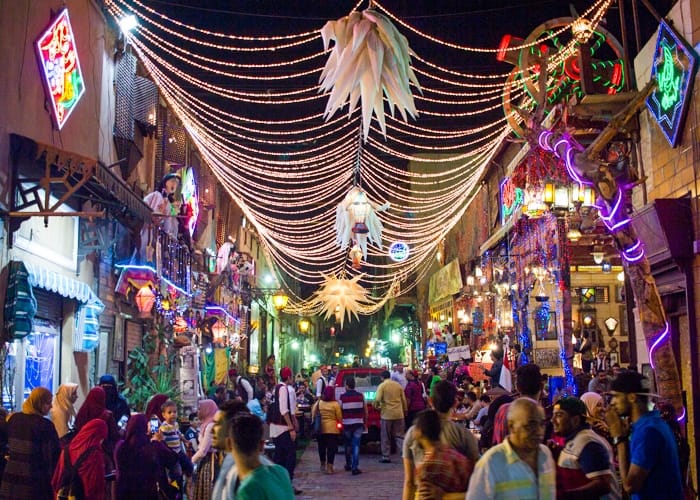
- The Atmosphere: As the sun sets, the “Canon of Iftar” fires, and the streets of Cairo are illuminated by thousands of “Fanoos” (traditional lanterns). The sound of the “Mesaharaty” (the dawn drummer) echoing through the alleys creates a hauntingly beautiful soundtrack.
- What to Experience: Walking through Muizz Street in Islamic Cairo during Ramadan is essential. You will witness “Mawaid al-Rahman,” where thousands of people share free meals in a display of ultimate hospitality.
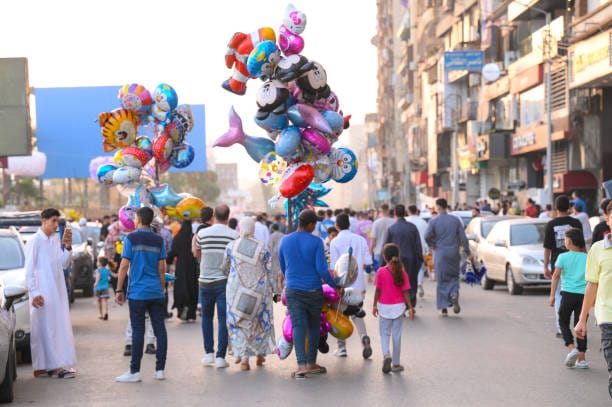
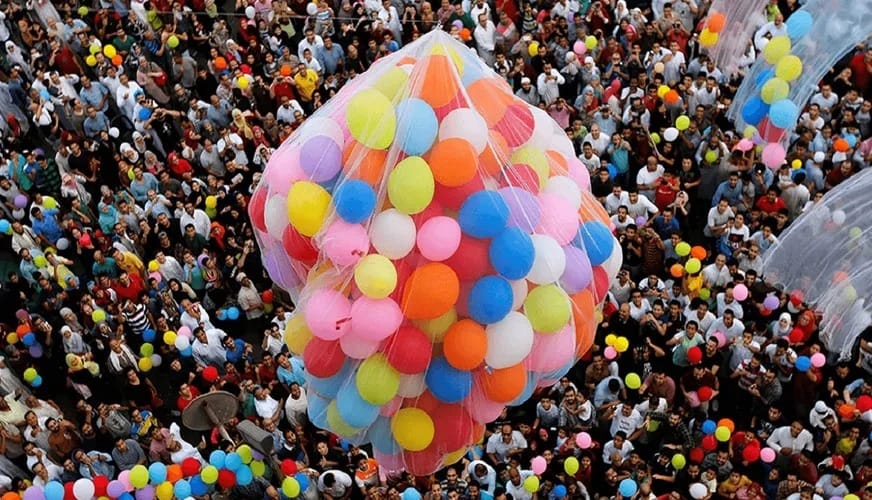
- Eid al-Fitr: Immediately following Ramadan, the three-day festival of Eid begins. The streets are filled with children in new clothes, the smell of “Kahk” (powdered sugar cookies) wafts from every bakery, and public parks become the center of family picnics. It is a time of pure, unadulterated joy.
2. Abu Simbel Sun Festival: An Astronomical Masterpiece
Twice a year—on February 22nd and October 22nd—human genius and cosmic alignment meet in Aswan. This festival celebrates the precision of ancient Egyptian architects who built the Great Temple of Ramses II so that the sun’s rays would reach the sanctuary only on these specific days.
- The Phenomenon: At dawn, a shaft of light pierces the darkness of the temple’s inner sanctum, illuminating the statues of Ramses II, Ra-Horakhty, and Amun-Ra. Curiously, the statue of Ptah (the god of the underworld) remains in shadow—a deliberate and breathtaking scientific feat.
- The Celebration: Outside the temple, the atmosphere is electric. Nubian dancers in traditional white robes perform to the beat of drums, while local artisans showcase their crafts.
Because this is a world-famous event, we recommend arriving at the site by 4:00 AM to secure a spot. Nile Travel Machine can arrange specialized transfers from Aswan to ensure you don’t miss this fleeting, 20-minute miracle.
Read More: What to See in Aswan: Temples, Nubians & Nile Magic
3. Sham El-Nessim: Egypt’s Original Spring Break
Dating back over 4,500 years**, Sham El-Nessim (literally: “Smelling the Breeze”) is arguably the oldest festival still celebrated on Earth. It takes place on the Monday following Coptic Easter.
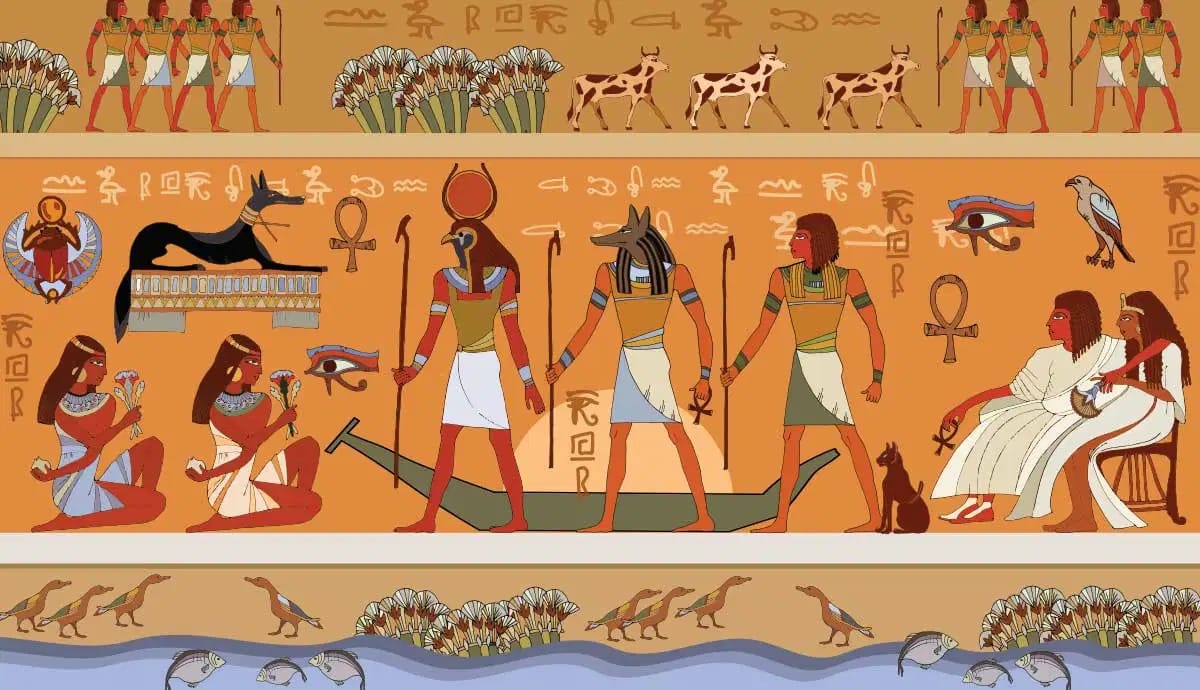
- Pharaonic Roots: Ancient Egyptians believed this day marked the beginning of creation. Today, it remains a secular holiday celebrated by both Muslims and Christians, symbolizing national unity.
- The Ritual Food: The day revolves around specific symbolic foods:
- Fesikh: Salted, fermented mulch fish (an acquired taste, but a must-try for the brave!).
- Colored Eggs: Symbolizing new life and fertility.
- Green Onions: Believed to ward off evil spirits.
Join the locals in the public botanical gardens or take a Felucca ride on the Nile. The river becomes crowded with boats filled with music and dancing, making it the perfect day for “people-watching” and cultural immersion.
5. Moulid Abu el Hagag in Luxor: Where Islam Meets Ancient Egypt
The Abu el Hagag Festival is perhaps the most visually stunning event in Upper Egypt. It takes place in the heart of Luxor during the Islamic month of Sha’aban. What makes this festival unique is its location: the Mosque of Abu el Hagag was built literally *on top* of the ruins of the ancient Luxor Temple.
- The Boat Parade: The highlight of the festival is a massive procession that strangely mirrors the ancient Pharaonic Opet Festival. Large wooden boats, painted in vibrant colors, are carried through the streets on the shoulders of men or on trucks, accompanied by traditional music, horse dancing (Tahtib), and folk songs.
- Why It’s Essential: This festival is the perfect proof of Egypt’s layered history. Seeing a Sufi celebration following the same parade route the Pharaohs used 3,000 years ago is a “glitch in time” that every cultural traveler must witness, making it one of the most famous Egyptian festivals in Upper Egypt.
4. Moulid al-Nabi: The Sweetest Celebration in Egypt
The celebration of the Prophet Muhammad’s birthday (Moulid al-Nabi) falls on Rabei II (4th Hegrian month). This festival is a masterpiece of Egyptian tradition, blending deep religious devotion with a festive atmosphere that fills every bakery and street corner.
- The Legend of the Sugar Doll: The most iconic symbol of Egyptian festivals is “Halawet el-Moulid” (Moulid sweets). You will see shops displaying the “Arousa” (a decorated sugar doll) and the “Hosan” (a sugar horse). These traditions date back to the Fatimid era and are a delight for children and photographers alike.
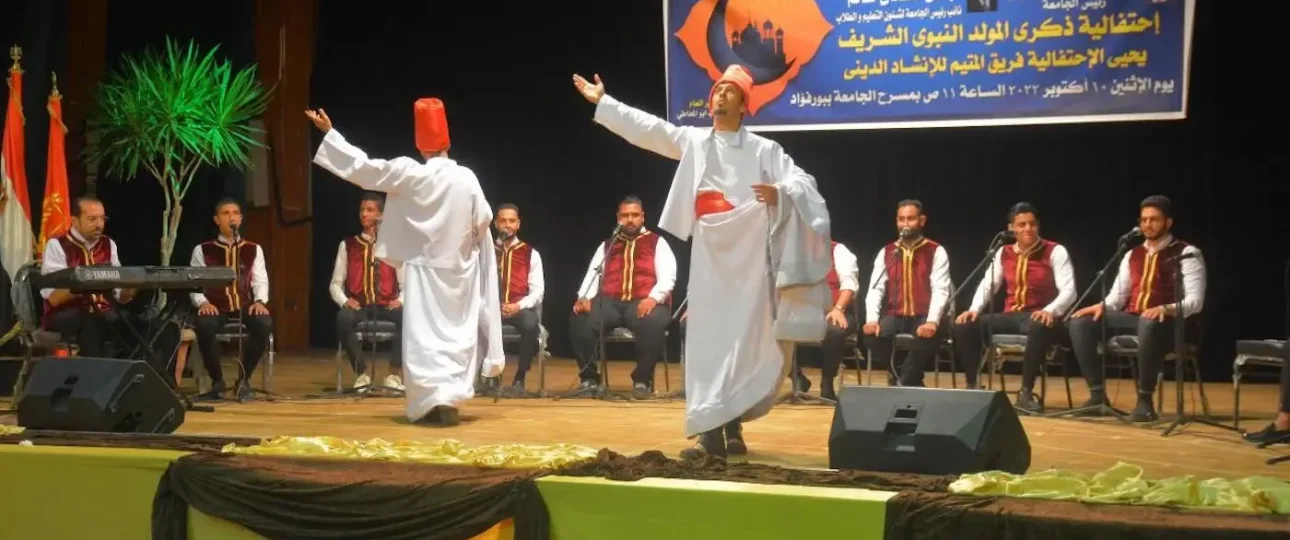
- The Spiritual Side: Beyond the sweets, the nights are filled with Sufi Zikr (spiritual chanting). In neighborhoods like Al-Hussein and Sayyida Zeinab in Cairo, grand tents are erected where Sufi orders perform rhythmic chants and poems in praise of the Prophet Muhammad. It is a profound display of Egyptian spirituality that welcomes everyone to observe and reflect.
6. Siwa Oasis Festival (Siyaha): The Desert Banquet of Peace
Every October, during the three days of the full moon, there is another kind of Egyptian festival: the remote Siwa Oasis hosts the Siyaha Festival (also known as the Festival of Peace). This is not just a party; it is a ritual of reconciliation and unity for the Siwi people, who have their own unique Berber (Amazigh) culture.
- The Ritual of Reconciliation: All Siwi men, regardless of their status or past disputes, climb Jebel el-Dakrour (Mount Dakrour). They spend three days living, praying, and eating together to settle any grievances from the past year.
- The Grand Banquet: On the final day, a massive communal meal is prepared. Thousands of people sit in giant circles on the desert sand to share food from enormous platters. For a traveler, being invited to sit and eat with the Siwi people is the ultimate mark of hospitality.
- A Photographer’s Dream: The sight of the sun setting over the salt lakes while the full moon rises over the ancient Shali Fortress—accompanied by the sound of ancient Siwi chants—is purely cinematic.
Explore our Cultural Tour Packages
Expert Travel Tips & FAQ for 2026 Festivals
Q: Is it culturally appropriate for tourists to attend religious “Moulids”?
A: Yes, absolutely! Egyptians are incredibly proud of their traditions and generally welcome foreigners to share in Egyptian festivals. However, remember that these are spiritual events. Wear modest clothing (covering shoulders and knees) and always ask for permission before taking close-up photos of people praying or in a state of spiritual “Zikr.”
Q: How does Ramadan impact my travel itinerary?
A: Since Ramadan falls during the peak travel season, you get the best of both worlds: great weather and festive nights. While some local cafes might be closed during daylight hours, all major tourist sites and hotel restaurants remain open. The “Iftar” (breaking the fast) time is the best period to experience local generosity—don’t be surprised if you are invited to eat on the street!
Q: What is the best festival for a family traveling with children?
A: Sham El-Nessim and Moulid al-Nabi are the most child-friendly. Sham El-Nessim offers a relaxed day in parks and boats, while Moulid al-Nabi is filled with colorful sugar dolls and sweets that children find fascinating.
Q: How do I get to the Abu Simbel Sun Festival from Aswan?
A: Most travelers take a 3-hour convoy or a short 45-minute flight from Aswan. Because of the massive crowds during the February and October alignments, we recommend booking your flight or private car at least 4 months in advance.
Q: Are there any specific customs to follow during these festivals?
A: It’s always respectful to familiarize yourself with the customs and traditions associated with each festival. Egyptians are welcoming and will appreciate your efforts to embrace their culture.
Q: Are there any safety precautions to keep in mind during the festivals?
A: It’s always essential to prioritize your safety during crowded events. Stay vigilant, keep your belongings secure, and follow the guidance of local authorities for a safe and enjoyable experience.
Conclusion: Beyond the Monuments
Egyptian festivals are the “invisible” monuments of the country. While the Pyramids and temples show you how Egyptians died and honored their kings, the festivals show you how they live, love, and celebrate today.
We specialize in timing your journey so you can be at the right place at the right moment. Whether you want to witness the sun’s rays in Abu Simbel or share a cup of mint tea during a Luxor parade, we ensure your trip is not just a vacation, but a deep dive into the living soul of Egypt.
