Kalabsha Temple Tour from Aswan: Private Day Trip by Motorboat
Overview
Aswan has a handful of sites everybody sees and one almost nobody does. This private kalabsha temple tour takes you across the water to a rocky promontory below the High Dam where three rescued Nubian monuments stand together — and where, on most mornings, you will be the only visitors.
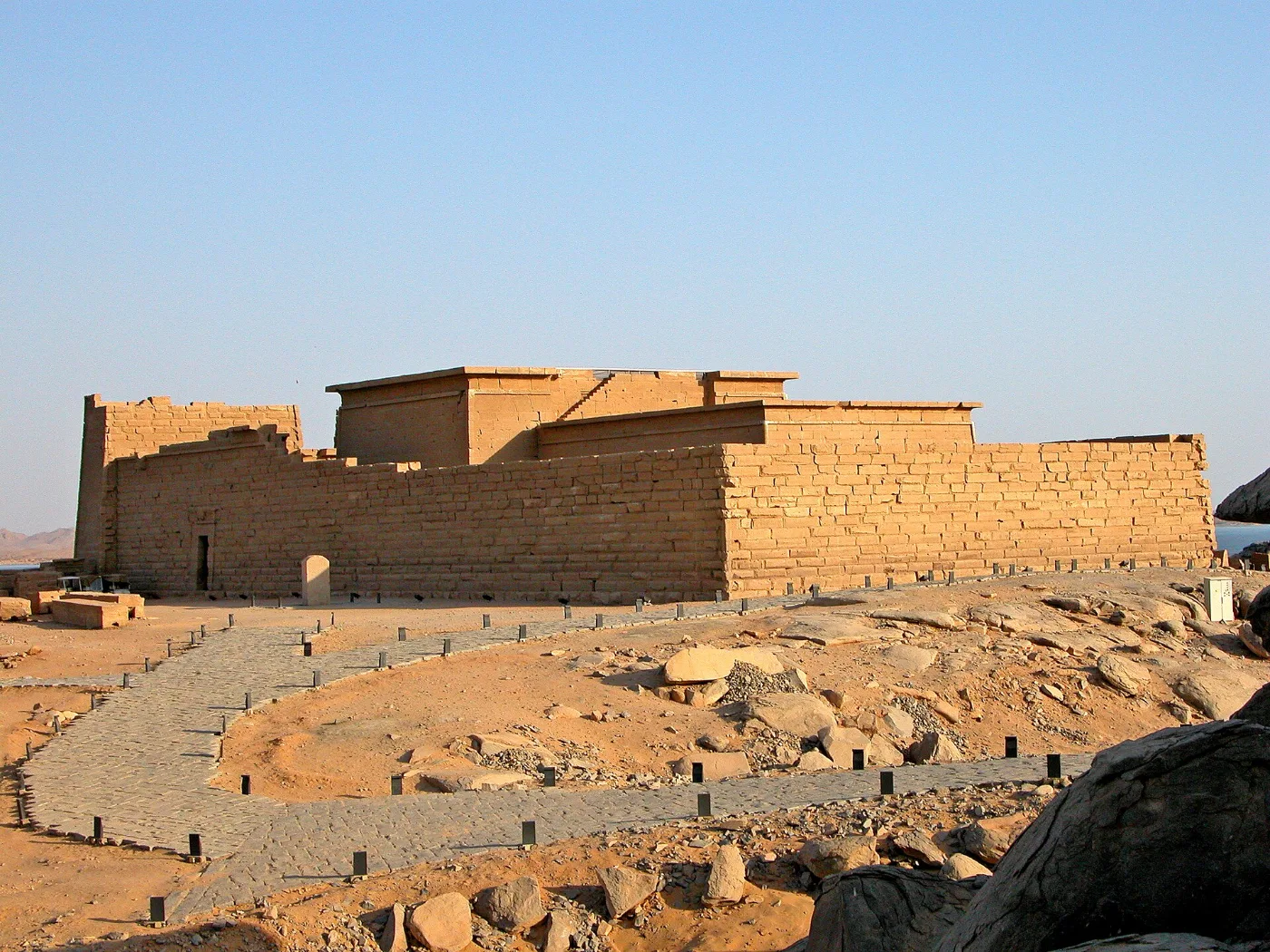
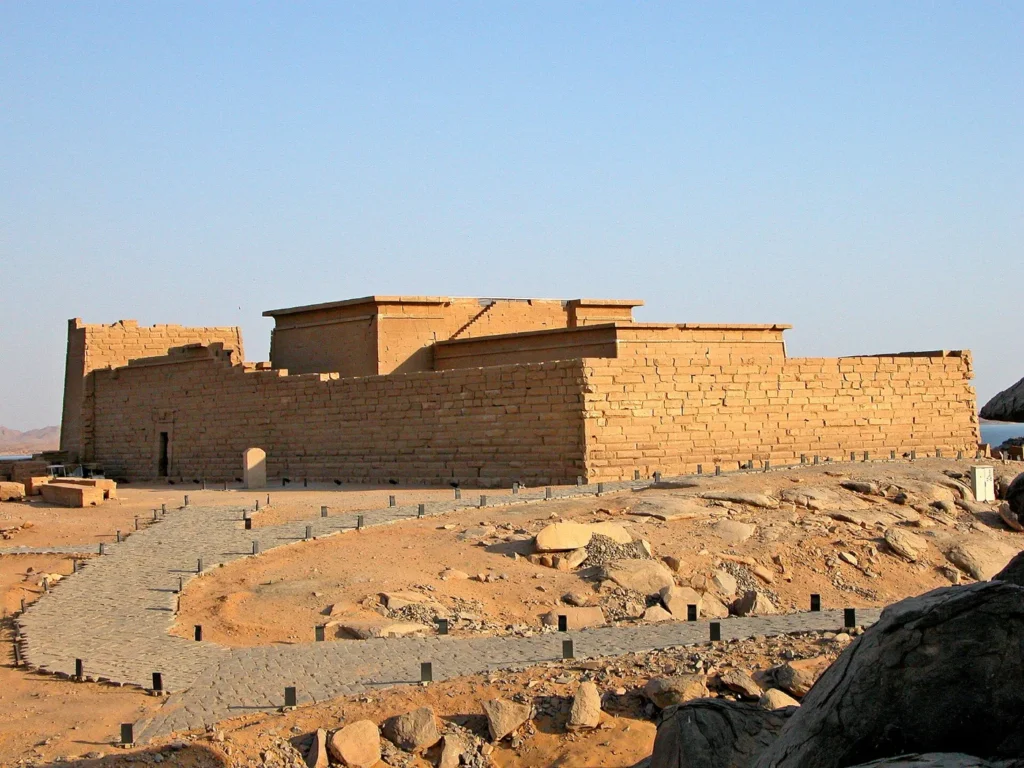
Kalabsha is the largest free-standing temple in Nubia. It is not on the cruise-ship circuit, it takes a boat to reach, and that combination keeps the crowds at Philae instead. What you get is a complete Ptolemaic and Roman temple, an intact rock-cut chapel of Ramses II, and a Roman kiosk on the shoreline — with time to stand still in all three.
You travel in your own air-conditioned vehicle with a licensed Egyptologist, cross by private motorboat, and are back at your hotel by mid-afternoon.
Day-by-Day Itinerary
Morning pickup and the Aswan High Dam
Your guide collects you from your Aswan hotel or cruise berth around 8:30 AM. The first stop is the High Dam, and it is not filler: standing on it is how the rest of the day makes sense. The lake behind it drowned a stretch of Nubia, and everything you see afterwards was moved to escape the water.
Motorboat crossing to the New Kalabsha promontory
A short drive brings you to the jetty, and a private motorboat takes you across to the rocky promontory where the monuments were rebuilt. Very few boats make this crossing on any given morning, which is the whole point.
The Temple of Mandulis at Kalabsha
Kalabsha is the largest free-standing temple in Nubia. Built under the Ptolemies and finished during the reign of Augustus, it honours Mandulis, a Nubian sun god, and its walls carry Egyptian, Greek and Roman hands side by side. Between 1961 and 1963 a German team cut it into some 13,000 blocks and rebuilt it here. You will almost certainly have it to yourself.
Beit el-Wali and the Kiosk of Qertassi
A five-minute walk brings you to Beit el-Wali, a small rock-cut temple of Ramses II whose painted battle reliefs are among the best preserved in Nubia, and then to the Kiosk of Qertassi: four columns and a Hathor capital on the edge of the water, and the best view on the promontory.
Lunch and the return to Aswan
Back by boat and vehicle for lunch at a local restaurant, then a drop-off at your hotel or cruise berth by mid-afternoon with the rest of your day free.
Highlights
- Three Nubian monuments most Aswan visitors never reach
- Your own motorboat to the promontory, no waiting for a group
- A licensed Egyptologist with you the whole day
- Entrance tickets to all three monuments included
- A High Dam stop that explains why these temples moved at all
- Lunch at a local restaurant included
- One direct WhatsApp contact from booking to drop-off
Included & Excluded
- Private air-conditioned transfers from your Aswan hotel or cruise berth
- Return motorboat crossing to the New Kalabsha promontory
- Entrance tickets to Kalabsha Temple, Beit el-Wali and the Kiosk of Qertassi
- Professional English-speaking Egyptologist guide
- Lunch at a local restaurant
- Bottled water throughout
- All taxes included
- Drinks with lunch
- Gratuities and tips for guide and driver
- Personal expenses
- Anything not mentioned in the Included list
Frequently Asked Questions
How long is the Kalabsha temple tour?
About seven hours door to door. Pickup is around 8:30 AM and you are back at your hotel or cruise berth by mid-afternoon.
Where exactly is Kalabsha Temple?
On a rocky promontory in Lake Nasser just south of the Aswan High Dam, reached by motorboat. It is about twenty minutes from central Aswan plus a short crossing.
Why do so few people visit Kalabsha?
It needs a boat and it is not a standard cruise-ship stop, so most itineraries skip it. That is exactly why it is worth going: the largest free-standing temple in Nubia, usually empty.
Was Kalabsha Temple moved?
Yes. Between 1961 and 1963 a German team dismantled it into roughly thirteen thousand blocks and rebuilt it above the new waterline, part of the same UNESCO campaign that saved Abu Simbel and Philae.
What is included in the price?
Private air-conditioned transfers, the return motorboat, entrance tickets to Kalabsha, Beit el-Wali and the Kiosk of Qertassi, your Egyptologist guide, lunch and bottled water.
What is not included?
Drinks with lunch, gratuities, and personal expenses.
Can I combine it with Philae?
Yes, and we recommend it. Both are rescued Nubian temples reached by water, and together they tell the whole story of the salvage campaign. We can run them on consecutive days or, for a long day, combine them.
How do I book?
Contact us by email, phone or WhatsApp. We confirm availability and send a quote with no obligation.
Photos via Wikimedia Commons: Kalabsha pylon by Dennis G. Jarvis (CC BY 2.0); Temple of Mandulis by Carole Raddato (CC BY-SA 2.0); Beit el-Wali relief (CC BY-SA 2.0); Aswan High Dam (CC BY 3.0).