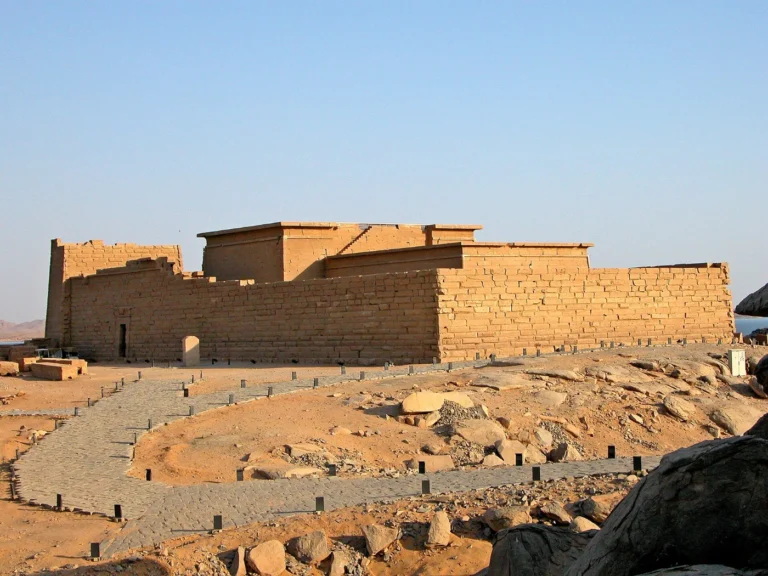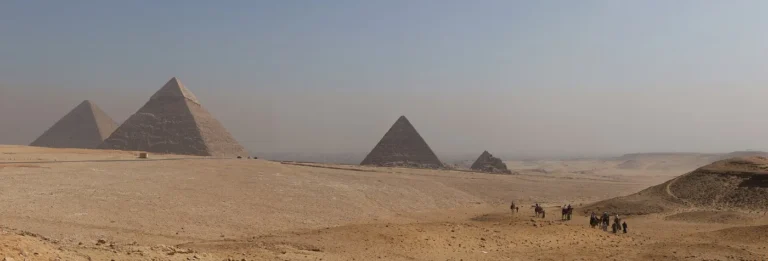
Abydos and Dendera Tour from Luxor: Private Full Day to Two Temples
Overview
Ask an Egyptologist which temple has the finest carving in Egypt and the answer is Abydos. Ask which has the finest painted ceiling and the answer is Dendera. Both sit north of Luxor, both are missed by almost every cruise itinerary, and this private abydos and dendera tour puts them in one day.
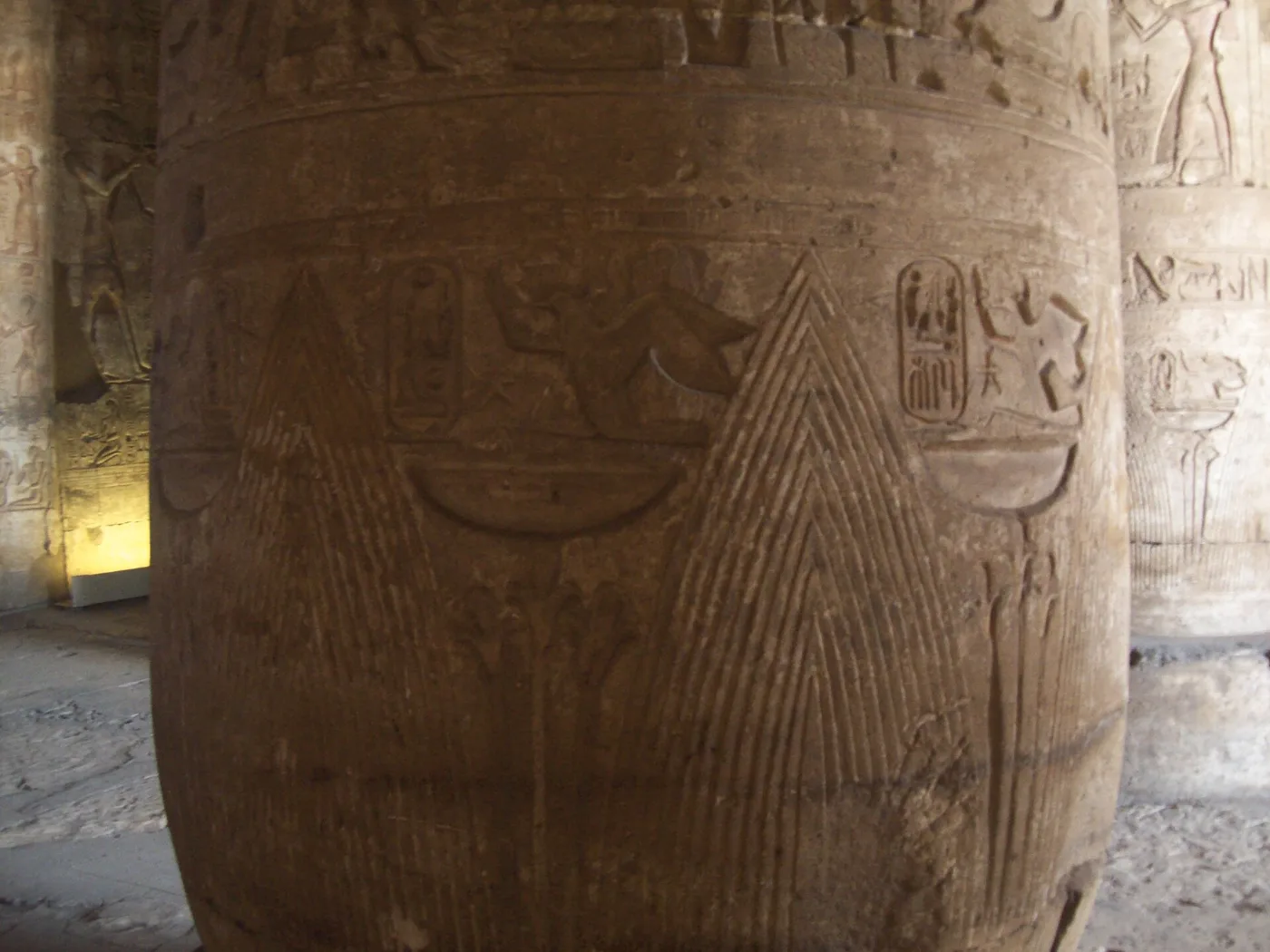
This abydos and dendera tour is a long day — eleven hours, 7:00 AM to around 6:00 PM — and worth every one of them. You travel in your own air-conditioned vehicle with a licensed Egyptologist, and the drive itself is part of it: the road runs through the farming belt beside the Nile, past cane fields and villages that see very few visitors.
Day-by-Day Itinerary
Early pickup and the drive north from Luxor
Your guide collects you from your Luxor hotel or cruise berth at 7:00 AM. Abydos is 170 kilometres north, and the road follows the agricultural belt beside the Nile the whole way — sugar cane, donkey carts and villages that see very few tourists. It is a real look at Upper Egypt rather than a transfer.
The Temple of Seti I at Abydos
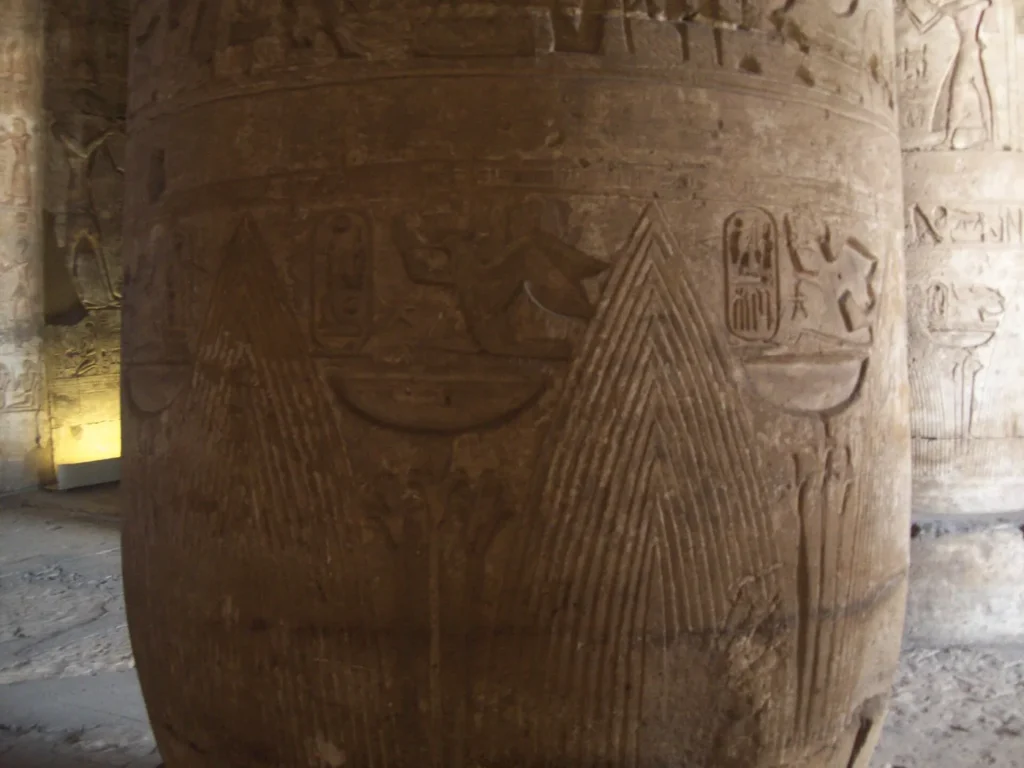
Abydos was the cult centre of Osiris and the holiest place in Egypt for two thousand years. Seti I built his temple here in fine white limestone, and because it was buried in sand for centuries the relief carving survived almost untouched. The colour is still on the walls and the cutting is the most delicate you will see anywhere in Egypt.
The Osireion and the Abydos King List
Behind the temple lies the Osireion, a strange sunken structure of massive granite blocks built to look far older than it is. Inside the temple corridor is the Abydos King List, seventy-six cartouches naming the pharaohs before Seti — one of the documents Egyptology was built on. Your guide walks you through what it includes and, more tellingly, who was left out.
Lunch on the road back south
Lunch at a local restaurant on the route south, about an hour out of the sun before the second temple.
The Temple of Hathor at Dendera, then Luxor
Dendera sits 80 kilometres north of Luxor and is the opposite experience: where Abydos is carved, Dendera is painted. Cleaning over the last twenty years has taken centuries of soot off the ceilings and the astronomical figures came back in deep blue and gold. You climb to the roof chapels, see the plaster copy of the zodiac whose original went to Paris in 1821, and reach Luxor around 6:00 PM.
Highlights
- Two of the finest temples in Egypt, both away from the Luxor crowds
- Abydos has the best preserved relief carving in the country
- Dendera has the best preserved painted ceiling
- A licensed Egyptologist with you for the full eleven hours
- Entrance tickets to both temples included
- Lunch at a local restaurant on the route
- One direct WhatsApp contact from booking to drop-off
Included & Excluded
- Private air-conditioned vehicle with driver for the full day
- Professional English-speaking Egyptologist guide
- Entrance tickets to the Temple of Seti I at Abydos and the Temple of Hathor at Dendera
- Lunch at a local restaurant on the route
- Hotel or cruise-berth pickup and drop-off in Luxor
- Bottled water throughout
- All taxes included
- Drinks with lunch
- Gratuities and tips for guide and driver
- Personal expenses
- Anything not mentioned in the Included list
Seasonal Pricing
Why Choose Us
Local Egyptologist experts
Every trip is guided by a licensed Egyptologist who knows the sites in depth, not just a driver.
Private, not group
Your itinerary, your pace — no joining a bus full of strangers.
Honest, upfront pricing
The price you are quoted is the price you pay, with no hidden extras.
Real local support
A local Luxor-based team you can reach directly by phone or WhatsApp, before and during your trip.
Frequently Asked Questions
How long is the Abydos and Dendera tour?
About eleven hours. Pickup is at 7:00 AM from your Luxor hotel or cruise berth and you are back around 6:00 PM.
How far are Abydos and Dendera from Luxor?
Dendera is 80 kilometres north, Abydos about 170. We drive to the far site first and work back, so the second half of the day is the shorter half.
Is it worth doing both in one day?
If you care about temple art, yes. They are the two best preserved decorative schemes in Egypt and they are complementary rather than repetitive: one is carving, the other is paint.
Is the Dendera zodiac the original?
No. The original was removed in 1821 and is now in the Louvre. What you see on the ceiling is a plaster cast in its place. The rest of the painted ceiling around it is entirely original, and it is the more impressive thing.
What is included in the price?
A private air-conditioned vehicle and driver, your Egyptologist for the full day, entrance tickets to both temples, lunch at a local restaurant, hotel transfers and bottled water.
What is not included?
Drinks with lunch, gratuities for guide and driver, and personal expenses.
Can I do this from a Nile cruise?
Yes, if your ship is moored at Luxor for a full day. Send us your cruise schedule and we check the timing before you commit.
How do I book?
Contact us by email, phone or WhatsApp. We confirm availability and send a quote with no obligation.
Photos via Wikimedia Commons: Abydos hypostyle halls by ISAW NYU (CC BY 2.0); Seti I painted relief by Bernard Dupont (CC BY-SA 2.0); Dendera mammisi by Aidan McRae Thomson (CC BY-SA 2.0); Dendera ceiling by Olaf Tausch (CC BY 3.0).