

Ancient Egypt Pharaohs: Whose Legacy Will You Chase First?
Every ruler in ancient Egypt pharaohs history staked a claim to eternity in solid stone. Three thousand years later, their names still pull travelers across deserts and down the Nile. Which one will pull you?
Why Do Ancient Egypt’s Pharaohs Still Feel So Present Today?
Because their bodies, names, and buildings survived when almost nothing else from the ancient world did. A pharaoh’s face still stares out from painted tomb walls in the Valley of the Kings.
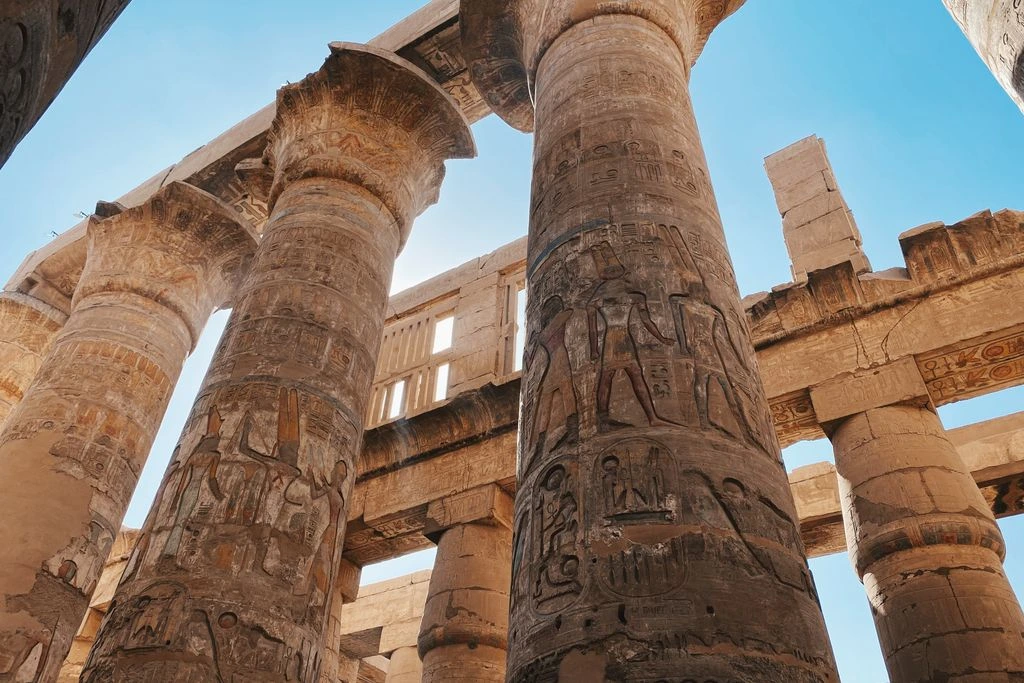
His name still sits carved inside a cartouche at Karnak. Her temple still catches the morning sun exactly as it was designed to, over 3,400 years ago.
A few reasons this connection feels so immediate for visitors:
- Actual mummified remains of kings and queens are on display, not replicas.
- Temples and tombs still stand on their original ground, not in a museum hall.
- Hieroglyphic texts name specific rulers, turning “ancient history” into a face and a story.
- Modern Egyptology keeps rewriting the story, so guides often share discoveries that are only years old.
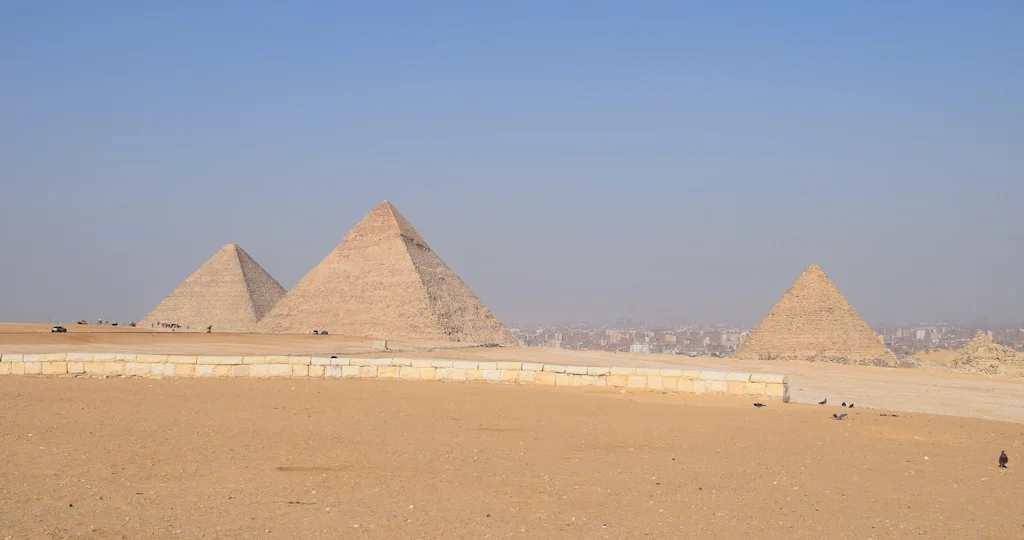
Ready to put a face to the history? A guided Cairo day tour puts you in front of the pyramids these kings actually built.
The Five Pharaohs Every Traveler Ends Up Talking About
Out of roughly 170 to 200 recognized rulers, five names dominate almost every conversation on a Nile itinerary: Khufu, Hatshepsut, Ramses II, Tutankhamun, and Cleopatra VII.
| Pharaoh | Era / Dynasty | Signature Monument | Best City for the Legacy | What Guides Always Point Out |
|---|---|---|---|---|
| Khufu | 4th Dynasty, Old Kingdom | Great Pyramid of Giza | Cairo | Still the only ancient wonder of the world left standing |
| Hatshepsut | 18th Dynasty, New Kingdom | Mortuary Temple, Deir el-Bahari | Luxor | Ruled as a female king, not just a queen |
| Ramses II | 19th Dynasty, New Kingdom | Abu Simbel & Karnak | Luxor & Aswan | Reigned an estimated 66 years and fathered over 100 children |
| Tutankhamun | 18th Dynasty, New Kingdom | Golden mask & tomb treasures | Cairo | Famous mostly because his tomb was never fully looted |
| Cleopatra VII | Ptolemaic Period | Temple reliefs at Dendera & Philae | Aswan | The last active pharaoh before Rome absorbed Egypt |
Which Ancient Egypt Pharaoh Matches Your Travel Style?
Match your own curiosity to a ruler, and the itinerary almost writes itself.
- Drawn to scale and mystery? Khufu’s pyramid still raises engineering questions nobody has fully answered. Pair it with a Cairo day tour.
- Admire rule-breakers? Hatshepsut commissioned statues showing herself with a pharaoh’s false beard. Explore her temple on a Luxor day tour.
- Want epic war stories and giant statues? Ramses II left his mark from Luxor to Abu Simbel. An Aswan & Luxor Nile cruise covers both.
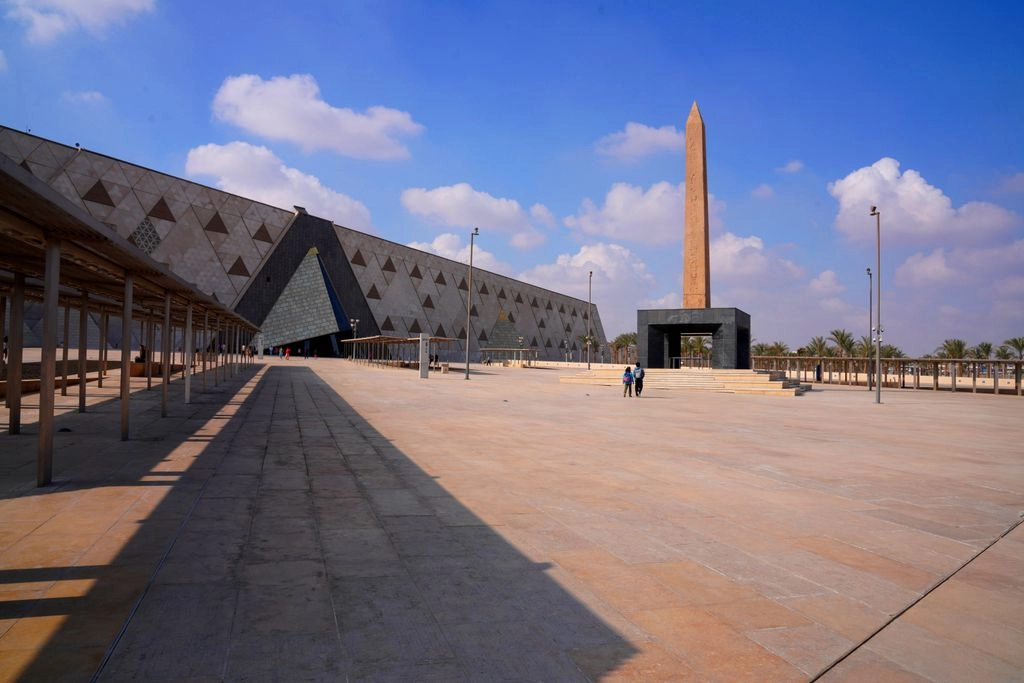
- Fascinated by golden treasure and unanswered questions? Tutankhamun’s collection now anchors the Grand Egyptian Museum near Cairo.
- Need a coastal reset after days of temples? Base part of your trip in Hurghada and split history with the Red Sea.
Ready to sail the river of the gods? Book your Aswan & Luxor Nile Cruise today and see where Ramses II left his mark.
How Did Pharaohs Turn Political Power into Solid Stone?
They built because stone outlasted armies. A pharaoh was considered a living link between gods and people, so every temple, obelisk, and colossal statue also worked as propaganda: proof of divine approval, carved where every subject and every rival kingdom’s envoy could see it.
Field note from a Luxor guide: “Visitors always ask why the statues are so oversized. I tell them: nobody was measuring the pharaoh against a person. They were measuring him against a god.” That single comment usually changes how guests read every temple wall for the rest of the trip.
The Five Names Every Pharaoh Carried But Most Visitors Never Notice
Tour guests often assume a pharaoh had one name. In fact, royal titulary gave every ruler five separate names: a Horus name, a Nebty name, a Golden Horus name, a throne name (prenomen), and a birth name (nomen). Only the last two appear inside the oval cartouche tourists photograph most often.
Once you know this, spotting a cartouche on a temple wall in Luxor or Aswan stops being background decoration and becomes a small decoding game.
Curious to read your first cartouche in person? Explore our Luxor day tours and put the theory to the test at Karnak.
Where Can You Actually Stand Where a Pharaoh Once Stood?
Planning around specific rulers works better than planning around cities alone, since each destination holds a different chapter of the story.
- Cairo: Khufu’s pyramid, the Grand Egyptian Museum, and Tutankhamun’s treasures.
- Luxor: Hatshepsut’s temple on our West Bank tour, Karnak’s cartouches on our Karnak Temple tour, and Ramses II’s colossi.
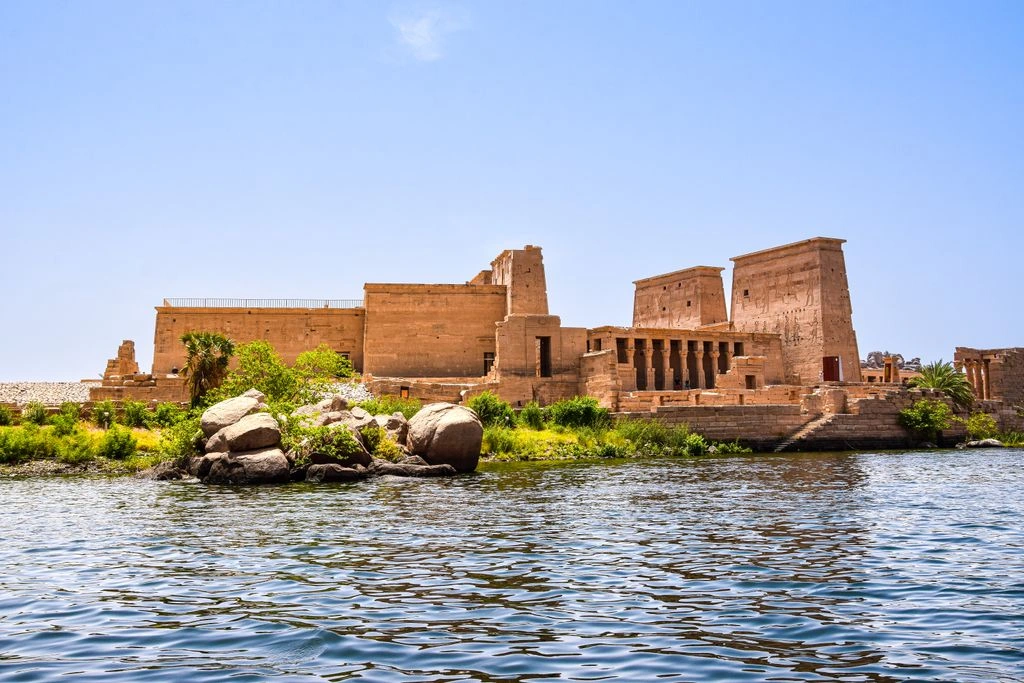
- Aswan: Cleopatra-era reliefs at Philae and the approach to Abu Simbel.
- Hurghada: a Red Sea pause between history-heavy days.
For a deeper look at how Egyptologists classify these rulers’ historical and artistic legacy, the Metropolitan Museum’s Egyptian Art department maintains a well-documented curatorial overview worth a look before you travel.
Frequently Asked Questions
How many pharaohs actually ruled ancient Egypt?
Egyptologists count roughly 170 to 200 confirmed rulers across more than 30 dynasties, spanning nearly 3,000 years. Not every reign is fully documented, so the exact number is still debated.
Did two pharaohs ever rule Egypt at the same time?
Yes. Co-regencies happened when an aging king crowned his successor early to secure the succession. Hatshepsut and Thutmose III famously shared the throne for years before she took the dominant role.
Which pharaoh’s actual mummy can visitors see in person today?
Several royal mummies, including Ramses II and Seti I, are displayed in Cairo’s Royal Mummies Hall. Seeing an actual ancient egypt pharaohs mummy up close is one of the most requested stops on a Cairo itinerary.
How do guides tell one pharaoh’s cartouche from another at a glance?
Each cartouche encodes a unique throne name and birth name in hieroglyphs. Experienced guides recognize recurring symbol patterns instantly, the same way you’d recognize a signature.
Final Thoughts
Ancient Egypt’s pharaohs weren’t just kings; they were architects of their own immortality, and their monuments still let travelers walk straight into that story.
Pick the ruler whose legacy speaks to you, and let that choice shape your route through Cairo, Luxor, and Aswan. Start planning your own encounter with Egypt’s god-kings with Nile Travel Machine today.
