

Is Egypt Safe to Visit? The Numbers Behind the Headlines
Still typing “is Egypt safe to visit” into a search bar at midnight? The honest answer sits in the data and the daily reality on the ground, not in outdated headlines.
What Does Egypt’s Actual Safety Advisory Level Mean for You?
Egypt’s mainland tourist areas sit at Level 2, “Exercise Increased Caution,” according to the US State Department — the same tier given to France, Germany, and large parts of Mexico. That single fact reframes most of the fear before it even starts.
| Destination | Typical Advisory Level | Context |
| Egypt (Cairo, Nile Valley, Red Sea) | Level 2 | Same tier as many popular EU destinations |
| France | Level 2 | Comparable caution level |
| Mexico (tourist zones) | Level 2 | Varies by state |
| Turkey | Level 2 | Comparable caution level |
Advisory levels shift over time, so it’s worth checking the official UK Foreign Travel Advice for Egypt close to your travel dates.
Why Do So Many Travelers Still Hesitate Before Visiting Egypt?
Most hesitation comes from old headlines, not current conditions. News coverage rarely updates once a story fades, so outdated images stick around long after the facts have moved on.
Field note from Ahmed, one of our lead guides: “Almost every guest tells me the same thing on day two: ‘this feels safer than I expected.’ That gap between what people imagine and what they actually experience here is the biggest surprise of the whole trip.”
Which Egyptian Cities Are Actually Built Around Tourist Safety?
Cairo, Alexandria, Fayoum, Luxor, Aswan, Hurghada, and many others each function differently, but all four sit firmly within Egypt’s established, well-monitored tourist circuit.
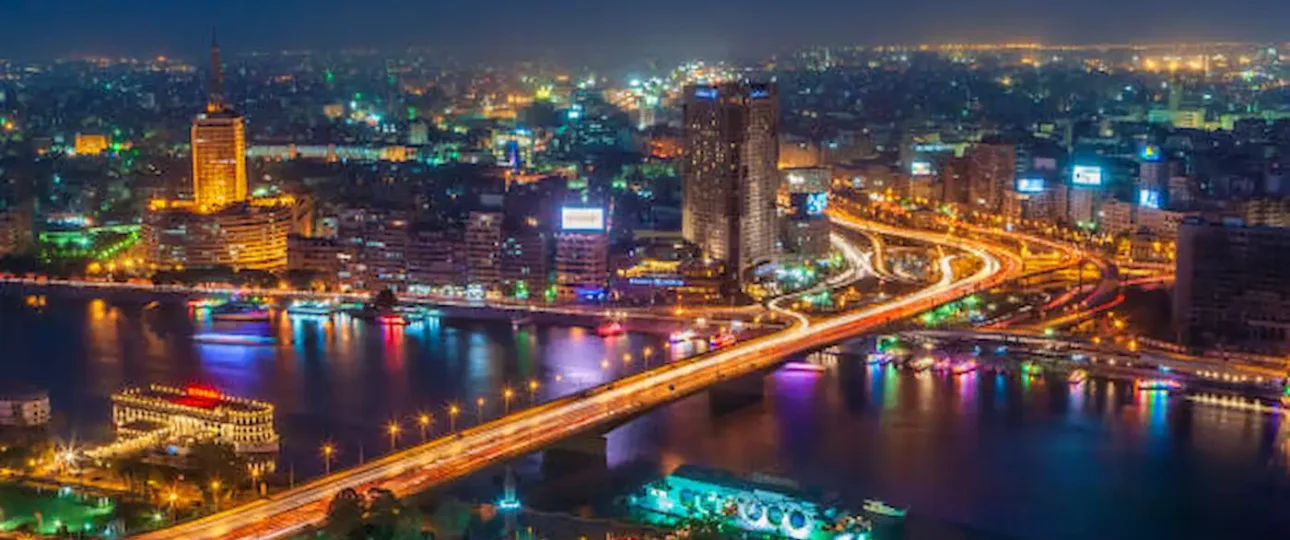
- Cairo — Busy and loud, but heavily monitored around the Pyramids, the Grand Egyptian Museum, and Khan el-Khalili.
- Luxor and Aswan — Built almost entirely around tourism, with visible security at every major temple along the Nile Valley route.
- Hurghada — A self-contained Red Sea resort town with a long, stable track record among international visitors.
How Do Solo Travelers and Women Actually Experience Egypt?
Solo travel, including solo women, happens across Egypt’s tourist circuit every single day. The routine is straightforward: dress modestly outside resort areas, use Uber or Careem instead of hailing taxis, and choose accommodation with strong reviews from other female travelers.
Prefer built-in company for your first few days? Explore our Luxor day tours and let a local guide handle the details while you settle in.
How Reliable Is Healthcare Access If Something Goes Wrong?
Private hospitals in Cairo, Luxor, Hurghada, and Sharm El Sheikh operate at a standard most international travelers don’t expect until they see it firsthand, with English-speaking doctors, modern diagnostic equipment, and pharmacies stocked with familiar international brands within walking distance of most hotels.
Serious medical situations are almost always handled through these private facilities rather than public hospitals, and established tour operators keep a working relationship with specific clinics in each city precisely so a problem never turns into a crisis.
No special vaccinations are required for most travelers beyond routine immunizations already up to date at home, and pharmacies across the tourist circuit sell everyday medication over the counter without the paperwork many visitors expect.
The far more common issue is a mild stomach upset, not an emergency. Sticking to bottled or filtered water, skipping ice outside proper restaurants, and easing into street food gradually rather than avoiding it altogether prevents most of it.
Comprehensive travel insurance that includes medical evacuation costs very little relative to the total trip price, and it quietly removes the single genuine unknown from a destination that is otherwise remarkably well set up for visitors.
How Safe Is Getting Around Egypt Between Cities?
Domestic flights connect Cairo, Luxor, Aswan, and Hurghada in under an hour and are operated by the same national carriers used for international routes, making them the preferred way to cover long distances without spending a full day on the road.
Nile cruise ships follow strict, regularly inspected safety standards and remain one of the most relaxed ways to move between Luxor and Aswan while sightseeing along the way.
Overnight trains and private long-distance transfers are both reliable options for travelers who prefer to stay at ground level, though booking through a known operator rather than an unmarked vehicle at the station is the one habit worth keeping.
None of this requires special planning beyond booking ahead during peak season, when the most popular flights and cruise cabins fill up first.
Most travelers mix at least two of these options across a single trip, pairing a domestic flight with a Nile cruise or a private transfer, and switching between them causes no safety concerns at any point.
What Should You Actually Prepare Before You Go?
A little preparation removes almost all the uncertainty:
- Book transfers and long-distance trains through reputable operators
- Carry a light scarf and dress modestly outside resorts and beaches
- Ask before photographing people, and avoid government or military buildings
- Stick to bottled water and busy, high-turnover food stalls
- Buy travel insurance that includes medical evacuation
Is Egypt a Safe Choice for a Family Trip With Kids?
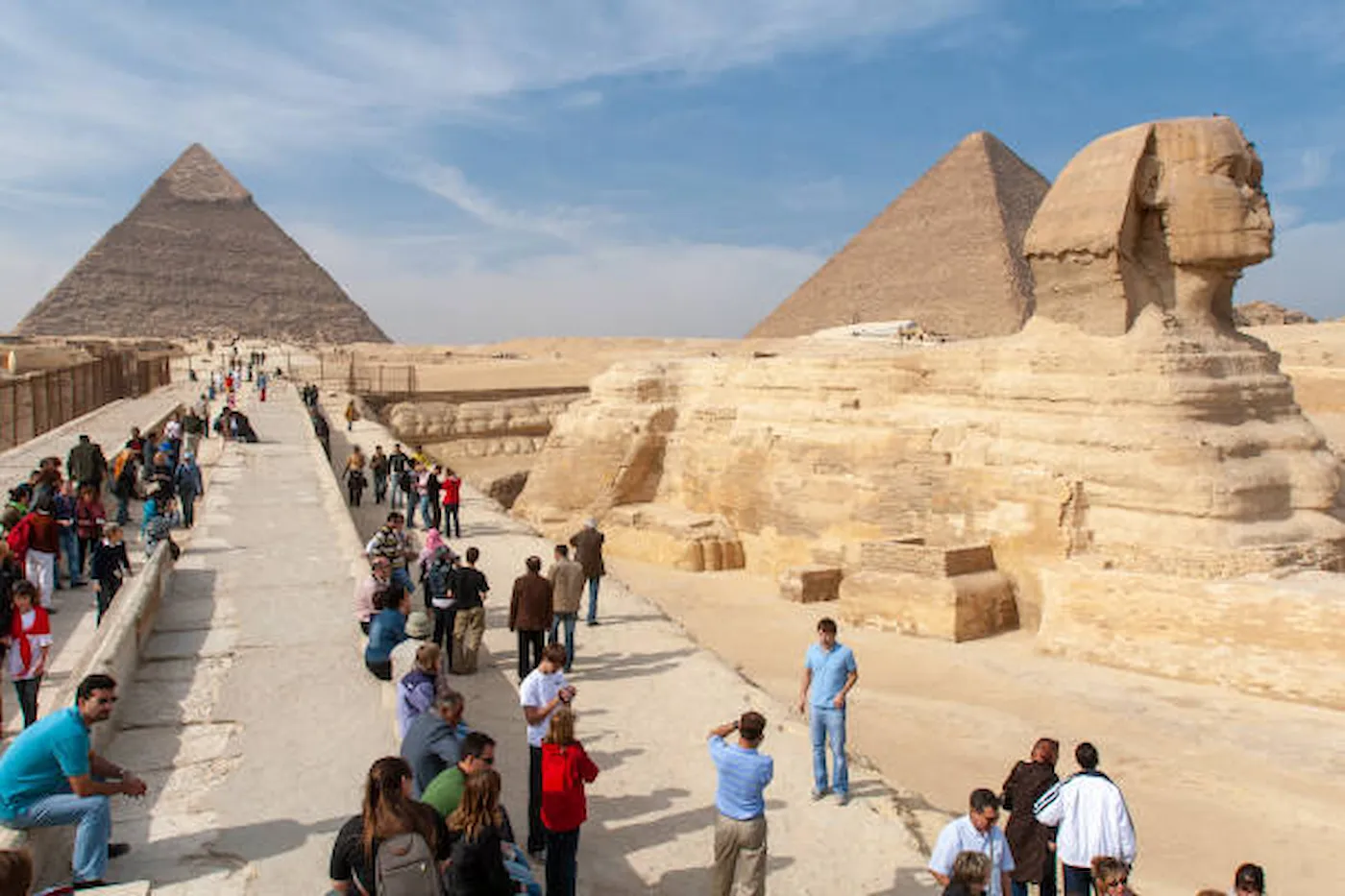
Family travel to Egypt is common enough that most major sites, hotels, and Nile cruises are set up with it in mind, from shaded rest areas near the Pyramids to shallower pools and kid-friendly menus on cruise ships.
Guides routinely adjust pacing for children, shortening walking stretches at temples and building in breaks that keep the day enjoyable rather than exhausting, and many family-run guesthouses in Luxor and Aswan cater specifically to multi-generational groups traveling together.
The practical concerns are the same ones that apply anywhere hot and unfamiliar: sun exposure, hydration, and food transitions, rather than anything specific to safety.
Booking private transfers instead of relying on public transport, choosing family rooms in vetted hotels, and traveling with a private guide rather than a large group tour gives parents far more control over pacing and comfort throughout the trip.
Most families who travel this way describe Egypt as easier with children than they expected, not harder.
Ready to add the Nile to your plans? Sail south and pair Cairo with an Aswan cruise leg once your dates are set.
What Do Official Travel Advisories Really Say About Egypt?
Both the US and UK advisories place no restriction on travel to Cairo, the Nile Valley, or the Red Sea coast, the exact areas covered by nearly every organized itinerary.
That distinction rarely makes it into casual conversation, even though it’s the entire point of the advisory.
So, Is Egypt Safe to Visit? The Short Answer
For travelers sticking to Cairo, the Nile Valley, and the Red Sea coast, Egypt has a long, stable track record with international visitors, and that’s exactly where virtually every organized itinerary takes place.
Frequently Asked Questions
Still weighing is Egypt safe to visit before booking? These are the questions we hear most.
Is it safe to walk around Cairo at night?
Yes, in the main tourist and downtown areas, though it’s still smart to stick to well-lit, busy streets as you would in any large city.
Are there scams tourists should watch out for in Egypt?
Overpriced taxi rides and pushy souvenir sellers are the most common. Agree on prices upfront and you’ll avoid nearly all of them.
Is it safe to haggle in Egyptian markets?
Completely normal and expected. Haggling is part of the culture in markets like Khan el-Khalili, not a safety concern.
Can I use my credit card safely in hotels and shops?
Yes, cards are widely accepted in hotels, resorts, and larger shops. Keep smaller cash amounts for markets and rural areas.
Egypt’s safety reputation lags behind its reality by several years. Stick to the well-traveled route through Cairo, the Nile Valley, and the Red Sea, and you’re traveling through one of the world’s most rewarding destinations.
Start planning your Egypt trip with Nile Travel Machine today.
