

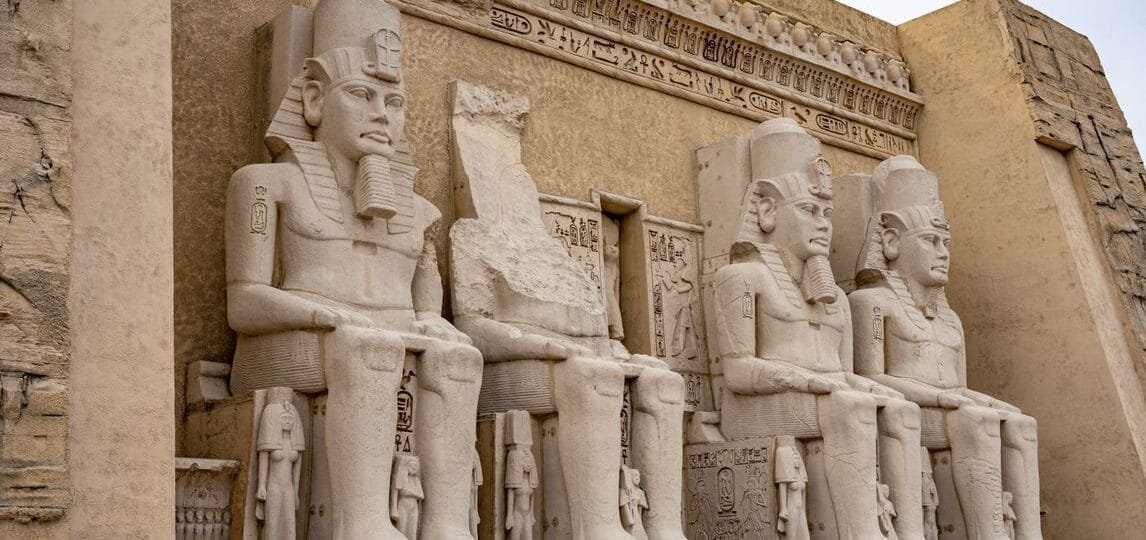
Queen of Egypt Nefertari: The Diplomat Behind Egypt’s First Peace Treaty
Most guides call her Ramesses II’s favorite wife. Few mention that queen of Egypt Nefertari also helped keep the peace between two empires. Her real legacy runs far deeper than her tomb walls.
The Letter That Made Nefertari Egypt’s First Royal Diplomat
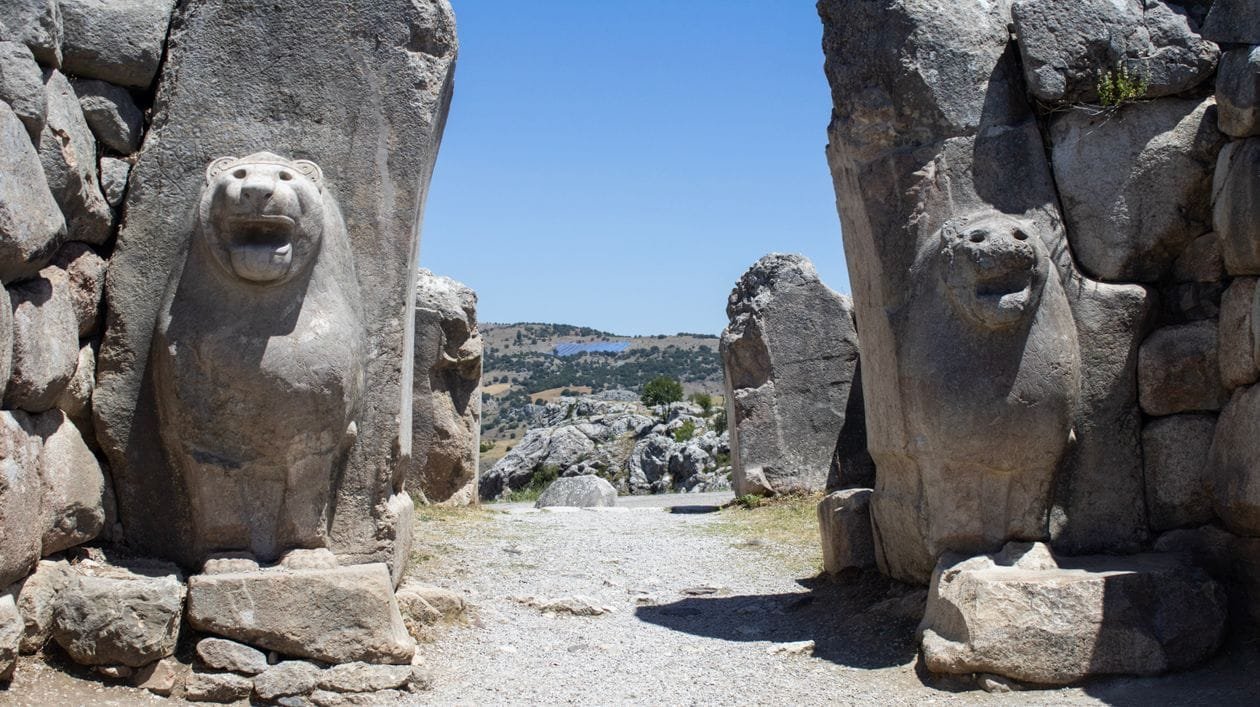
In 1259 BC, Egypt and the Hittite Empire signed history’s first recorded peace treaty. Queen Nefertari didn’t stay in the background. She personally exchanged letters with Hittite queen Puduhepa, addressing her as “sister” and sending gifts to help seal the truce.
The treaty followed nearly two decades of conflict, including the massive Battle of Kadesh, where neither side achieved a clear victory. Peace, not war, ultimately proved more valuable to both empires.
These weren’t ceremonial notes. Diplomatic tablets found at Hattusa, the Hittite capital, confirm Nefertari held real influence beyond the palace walls. No other Egyptian queen left this kind of direct diplomatic record with a foreign power.
Ready to step where history was written? Discover our Luxor day tours and stand where Egypt’s ancient diplomacy unfolded.
How Archaeologists Found Proof of Her Diplomatic Role
For centuries, Nefertari’s letters existed only as rumor among historians, mentioned in passing but never confirmed by physical evidence.
That changed in 1906, when German archaeologist Hugo Winckler unearthed thousands of clay tablets at Hattusa, the buried Hittite capital in modern Turkey.
Among that cuneiform archive were royal letters confirming direct contact between the Egyptian and Hittite courts, Nefertari’s correspondence included.
It remains one of the earliest physical proofs that an ancient Egyptian queen conducted her own foreign diplomacy, independent of the king. Winckler’s discovery reshaped how historians understood royal women’s roles across the entire ancient Near East.
Why Did Ramesses II Call Her “The One for Whom the Sun Shines”?
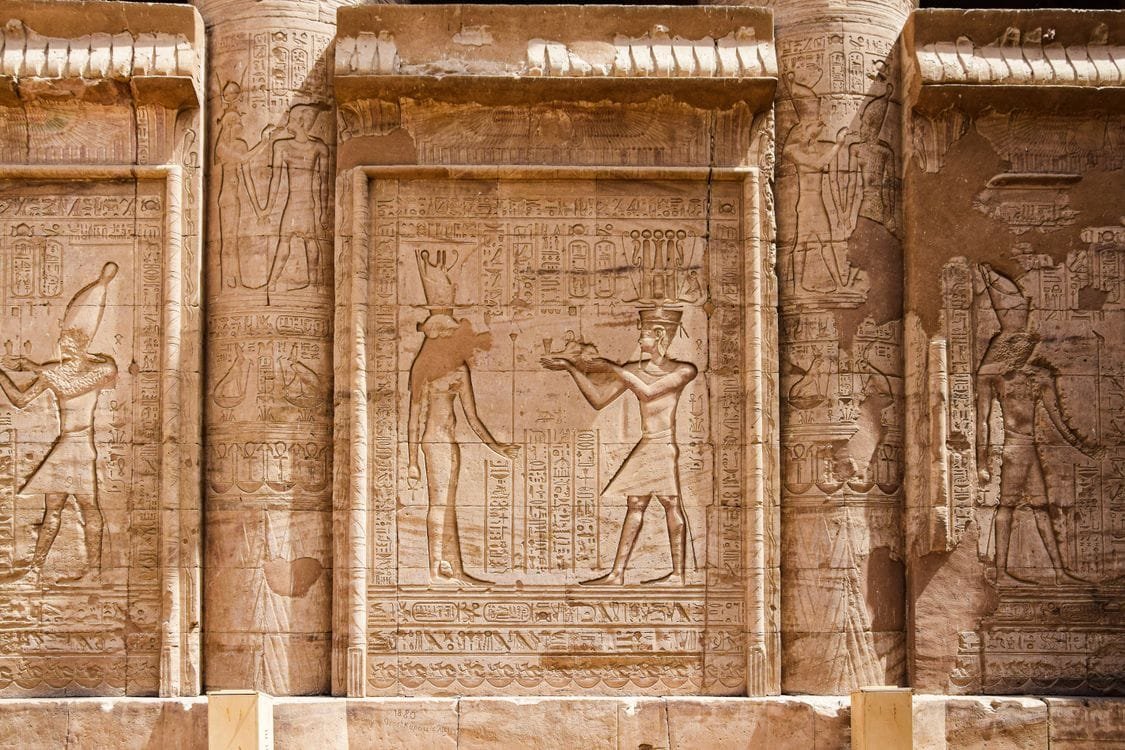
Ramesses II gave Nefertari a title no other queen received quite the same way. Temple inscriptions across Egypt carved her name beside his, an honor almost no royal wife shared. Egyptologists still debate exactly why she, above dozens of other consorts, received this level of recognition.
A few details set her apart from every other Great Royal Wife:
- Her cartouche appears on more monuments than any queen before her
- Reliefs across Egypt show her carved at the same height as Ramesses II, not at his knee
- She received her own dedicated temple facade standing directly beside a king’s
For the full story of that temple, our Abu Simbel temple guide walks you through it chamber by chamber.
Numbers rarely capture a personality, but they do map out exactly how far above the average royal wife Nefertari stood, and how unusual her position really was for her time. Here’s her profile at a glance.
Queen Nefertari’s Royal Profile at a Glance
| Full name | Nefertari-Meritmut |
| Name meaning | Beautiful Companion, Beloved of Mut |
| Husband | Ramesses II |
| Title | Great Royal Wife |
| Era | 19th Dynasty, c. 1290-1255 BC |
| Famous tomb | QV66, Valley of the Queens |
| Dedicated temple | Small Temple at Abu Simbel |
Ready to sail the river of the gods? Book Your Aswan & Luxor Nile Cruise Today and see the Nilometers for yourself.
Did Nefertari Ever Rule Egypt in Her Own Right?
Not officially, but she came close during at least one recorded period. Some Egyptologists point to reliefs and unusual titles suggesting she acted with near-regent authority while Ramesses campaigned abroad early in his reign.
She was never crowned pharaoh, and no inscription grants her the throne outright. What survives instead is a pattern: temple scenes where she stands performing rituals normally reserved for the king alone, a role no ordinary consort filled.
Historians remain divided on how far that authority extended. What’s certain is that later queens, including several from the 20th Dynasty, were shown performing similar ceremonial roles, a pattern many Egyptologists trace directly back to precedents Nefertari set.
The Temple Ramesses Built to Prove Her Importance
Ramesses dedicated an entire temple to Nefertari beside his own at Abu Simbel, an honor no other Great Royal Wife received during his 66-year reign.
Its facade shows her standing as tall as the king himself, guarded by statues of Hathor. It’s a small building by Abu Simbel’s standards, but the message carved into its stone is anything but small.
That single decision reshaped royal iconography for generations. Queens who came after Nefertari were increasingly depicted at grander scale in temple reliefs, a visual standard she was among the first to establish.
Dreaming of the temple Ramesses built for her? Join our Aswan tours and see Nefertari’s sanctuary at Abu Simbel in person.
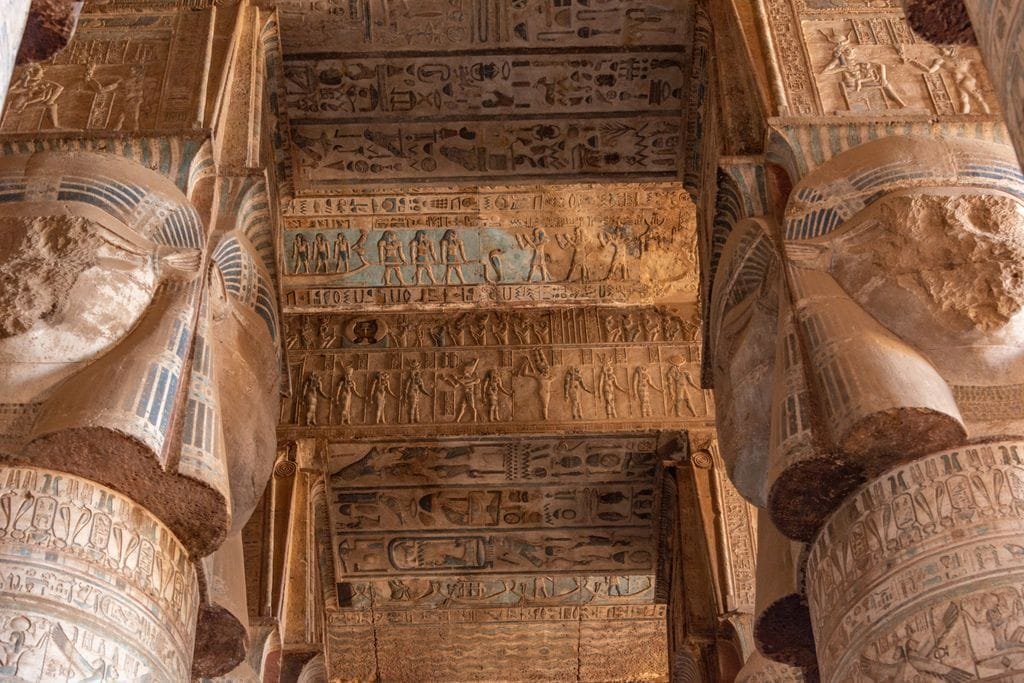
Field tip from our Nile Travel Machine guides: most visitors rush past this facade heading straight for the Great Temple next door, but the carvings here reward a slower look you will not get from a guidebook alone.
Frequently Asked Questions
Did Queen Nefertari really send letters to a foreign queen?
Yes. She corresponded directly with Puduhepa, queen of the Hittites, after Egypt’s 1259 BC peace treaty. Clay tablets from Hattusa still preserve part of this exchange today, giving historians rare insight into royal women’s diplomacy.
Was Nefertari the most powerful queen of ancient Egypt?
She’s widely considered one of the most influential. As queen of Egypt, Nefertari held more temple recognition and diplomatic presence than most Great Royal Wives before or after her, a rare combination in ancient Egyptian history.
Why is Nefertari more famous than most of Ramesses II’s other wives?
Ramesses II had dozens of wives and over a hundred children, but only Nefertari received her own temple, a diplomatic role, and one of history’s most celebrated tombs, a combination none of his other wives came close to matching.
Did Nefertari and Ramesses II have a real love story, or just a political marriage?
Likely both. Their marriage began for political reasons, common for the era, but poetry and inscriptions dedicated to her suggest genuine personal affection grew over time, well beyond what political duty alone required.
Queen of Egypt Nefertari wasn’t just Ramesses II’s most celebrated wife. She was Egypt’s first recorded queen-diplomat, carved into temples as his equal, and remembered far beyond her tomb walls, long after most royal wives of her era faded from memory.
Book your Luxor & Aswan Tour and walk through the empire she helped hold together.
