

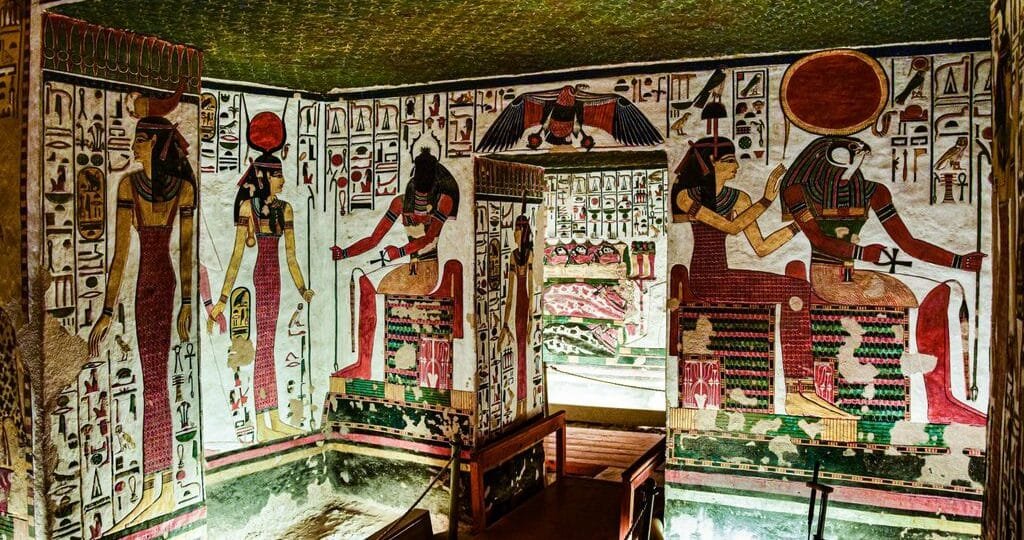
Tomb of Queen Nefertari: The 1904 Discovery That Nearly Destroyed Egypt’s Greatest Masterpiece
What almost erased the tomb of Queen Nefertari from history wasn’t tomb robbers. It was humidity, salt, and eighty years of trapped human breath. Here’s the story most guides never tell you.
The Day Ernesto Schiaparelli Found a Queen Time Forgot
In February 1904, Italian archaeologist Ernesto Schiaparelli broke through a sealed doorway deep in the Valley of the Queens. Ancient robbers had beaten him to it by centuries. They had stripped Nefertari’s jewelry, smashed her granite sarcophagus, and vanished into history.
But the thieves never touched the walls. What Schiaparelli found next stunned the archaeological world: fragments of the queen’s mummified knee, scattered bracelet beads, and painted plaster so vivid it looked wet.
Her name, Nefertari-Meritmut, means “Beautiful Companion, Beloved of Mut” — and the artwork inside lived up to it. No other royal tomb in Egypt had survived with this much of its original color intact.
Curious what else lies beneath Luxor’s West Bank? Our Luxor day tours take you straight to where discoveries like this one happened.
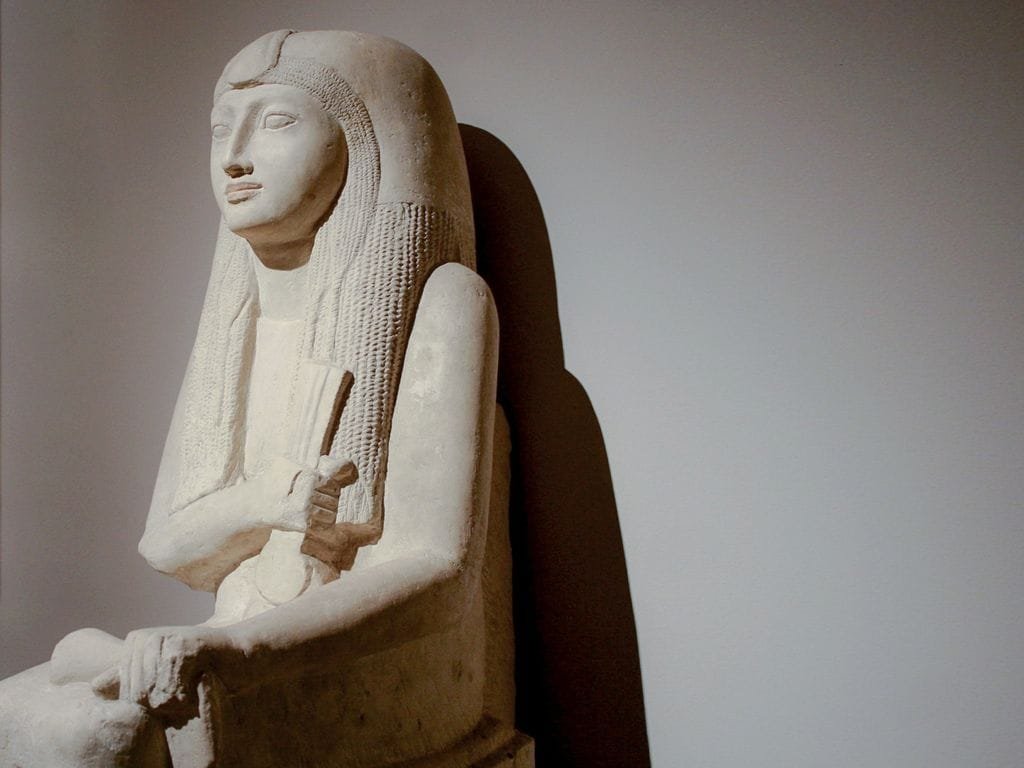
Why Did the Tomb of Queen Nefertari Almost Have to Close Forever?
Success became the tomb’s biggest threat. Every visitor who stepped inside brought warmth and moisture that reactivated salt crystals hidden inside the bedrock. By the 1950s, cracks were spreading across the paintings faster than anyone could document them.
- Salt crystallization pushing entire flakes of paint off the walls
- Humidity from visitor breath and body heat trapped in a sealed chamber
- Vibration from nearby quarrying and early West Bank traffic
- Decades of untreated micro-cracks spreading through the limestone bedrock
Egypt shut the tomb of Queen Nefertari to the public in 1950, long before mass tourism ever reached Luxor. For over four decades, almost no one saw it.
Inside the Six-Year Rescue Mission Nobody Talks About
The tomb survived because of one of the most delicate conservation efforts in archaeological history, not luck. Between 1986 and 1992, the Getty Conservation Institute partnered with Egyptian authorities to save what was left.
- Removing centuries of salt crystals grain by grain, under microscope
- Re-adhering loosened plaster layers with reversible, tested adhesives
- Installing a controlled ventilation system to manage humidity long-term
- Capping daily visitor numbers before the tomb reopened in 1995
“Most visitors don’t realize they’re walking through a site once considered too fragile to ever reopen,” says Mostafa, one of our senior Egyptologist guides. “I always tell my guests to look at the ceiling first. That deep cobalt blue almost didn’t survive the 1980s.”
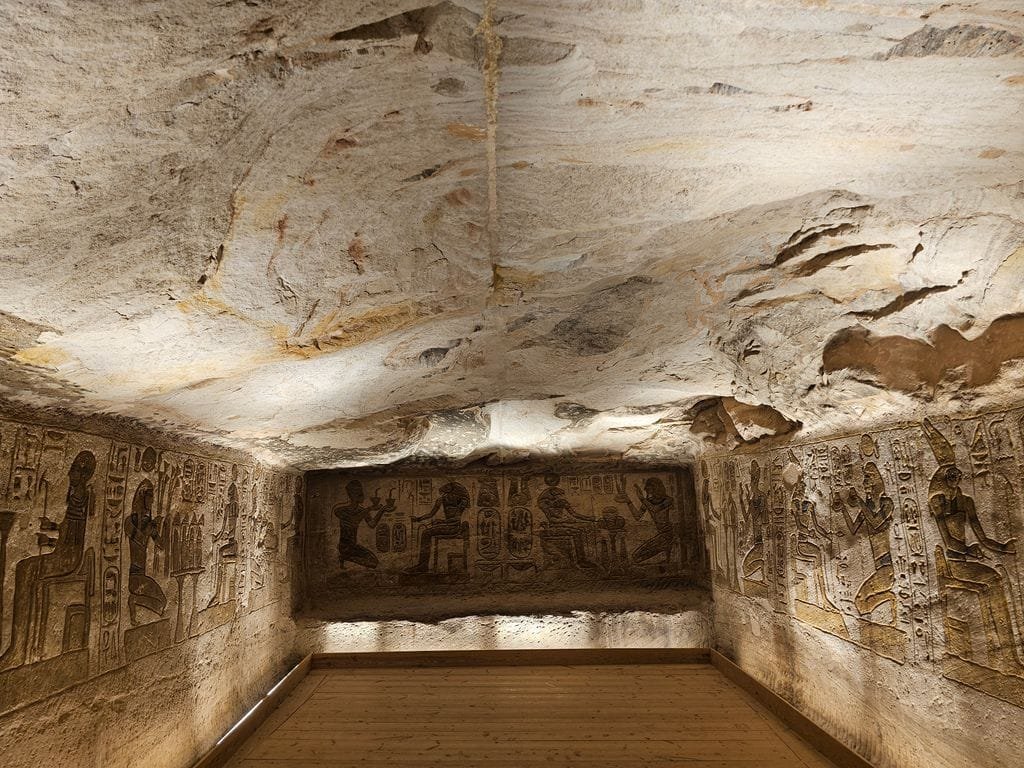
QV66 Visitor Access at a Glance
| Reopened to the public | 1995 |
| Daily visitor numbers | Strictly limited |
| Time allowed inside | A few minutes per group |
| Ticket type | Separate premium permit, on top of the standard ticket |
| Photography | Not permitted inside the burial chamber |
| Recommended booking | Through a licensed Egyptologist-guided tour |
Ready to sail the river of the gods? Book Your Aswan & Luxor Nile Cruise today and see the Nilometers for yourself.
How Do You Actually Get Inside the Tomb of Queen Nefertari Today?
Getting inside QV66 takes more planning than most travelers expect. Skip the ticket-office guesswork and follow the order that actually works.
- Buy the standard Valley of the Queens ticket first; it covers the surrounding open tombs
- Add the separate Nefertari premium permit, since it is never included automatically
- Check same-day availability before you travel, because the daily allocation sells out often
- Arrive at your allotted time slot, because latecomers forfeit their entry
- Leave bags and cameras at the entrance before stepping inside
For full pricing tiers, opening hours, and the other tombs worth pairing with your visit, our complete Valley of the Queens travel guide covers everything you need before you go.
Ready to step into Egypt’s best-kept secrets? Explore our curated Aswan and Luxor itineraries built around exactly this kind of site.
The Ripple Effect: How Saving This Tomb Changed Egyptian Archaeology
The Nefertari project became a blueprint, not a one-off success story. Conservators later applied the same humidity-control and salt-removal methods to the tomb of Tutankhamun. Egyptian authorities also adopted strict visitor caps as standard practice across the Theban Necropolis, not just at QV66.
That shift changed how every fragile tomb on Luxor’s West Bank is managed today, including several sites we visit on our own Luxor tours. Modern conservation science, not luck, is why any of this survives for you to see at all.
Frequently Asked Questions
Was anything stolen from the tomb of Queen Nefertari before it was found?
Yes. Ancient robbers entered soon after her burial, stealing her jewelry and smashing her sarcophagus. Only fragments of her mummy and scattered bracelet beads remained for Schiaparelli to find in 1904.
Why was the tomb of Queen Nefertari closed for over 40 years?
Rising humidity from visitor breath was destroying the painted plaster. Egypt closed QV66 in 1950 and only reopened it in 1995, after a major international conservation project.
How many people are allowed inside Nefertari’s tomb each day?
Entry is strictly capped and time-limited to protect the fragile paintings. Groups move through quickly, so a pre-booked guided visit is the only reliable way in.
Is the tomb of Queen Nefertari included in a standard Valley of the Queens ticket?
No. The standard ticket covers several open tombs, but the tomb of Queen Nefertari (QV66) requires a separate, higher-priced permit booked on top of it.
The tomb of Queen Nefertari isn’t just Egypt’s most beautiful burial chamber, it’s a monument to how close we came to losing it. Every color inside survived robbery, decay, and a six-year race against time. Book your Luxor West Bank Tour and walk through that history yourself.
