

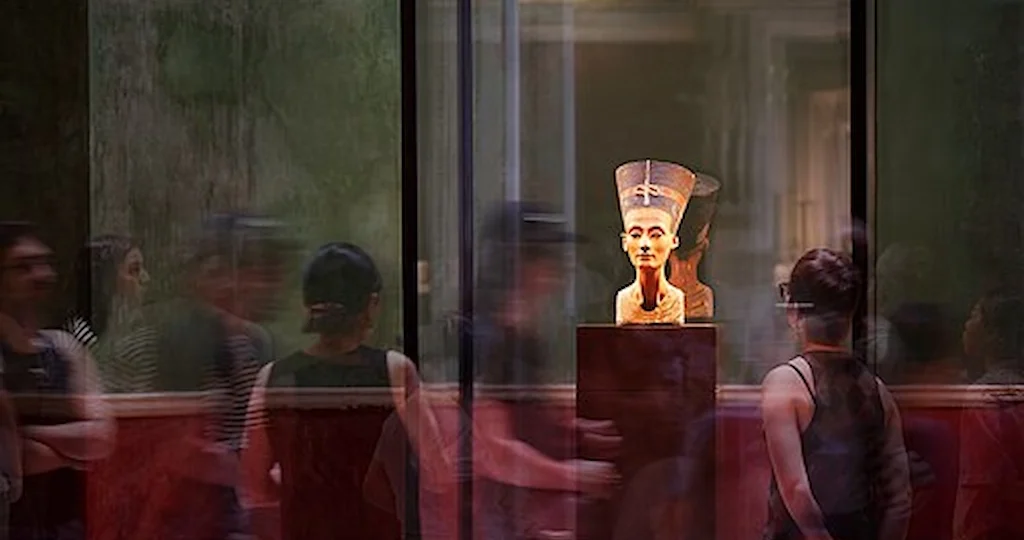
Nefertiti Tomb Egypt: The 3,300-Year Hunt for Egypt’s Vanished Queen
Where is Nefertiti actually buried? More than 3,300 years after her reign, the Nefertiti tomb Egypt mystery remains officially unsolved. Here is what archaeologists have found, and what still eludes them.
The Wall Behind King Tut That Keeps Egyptologists Awake at Night
In 2015, British Egyptologist Nicholas Reeves proposed something startling: hidden chambers behind the painted walls of Tutankhamun’s tomb, KV62, could conceal Nefertiti’s burial.
Radar scans between 2015 and 2018 produced conflicting readings. Some suggested voids. Others found nothing at all.
Egypt’s Ministry of Antiquities ran three separate surveys. Each new scan reopened the debate rather than closing it. As of 2026, no hidden chamber has been opened, and no queen has been found behind those walls.
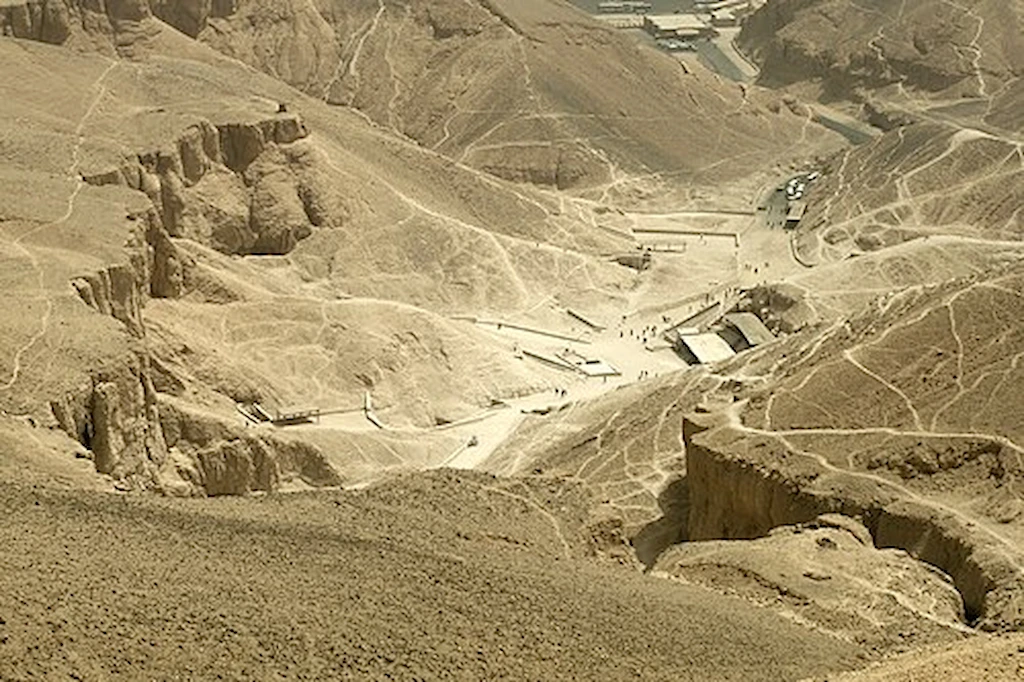
Where Egyptologists Have Actually Searched
| Theory | Proposed Location | Key Researcher | Current Status |
|---|---|---|---|
| Hidden chamber theory | North wall behind KV62 (Tutankhamun’s tomb) | Nicholas Reeves, 2015 | Radar results disputed; unopened |
| Amarna Royal Tomb | Royal Wadi, Tell el-Amarna | Flinders Petrie and later teams | Looted in antiquity; empty |
| Undiscovered Valley tomb | Valley of the Kings, general area | Egyptian Ministry of Tourism and Antiquities | Ongoing survey work |
| The “Younger Lady” mummy | Tomb KV35, Valley of the Kings | Various DNA research teams | Debated; not confirmed as Nefertiti |
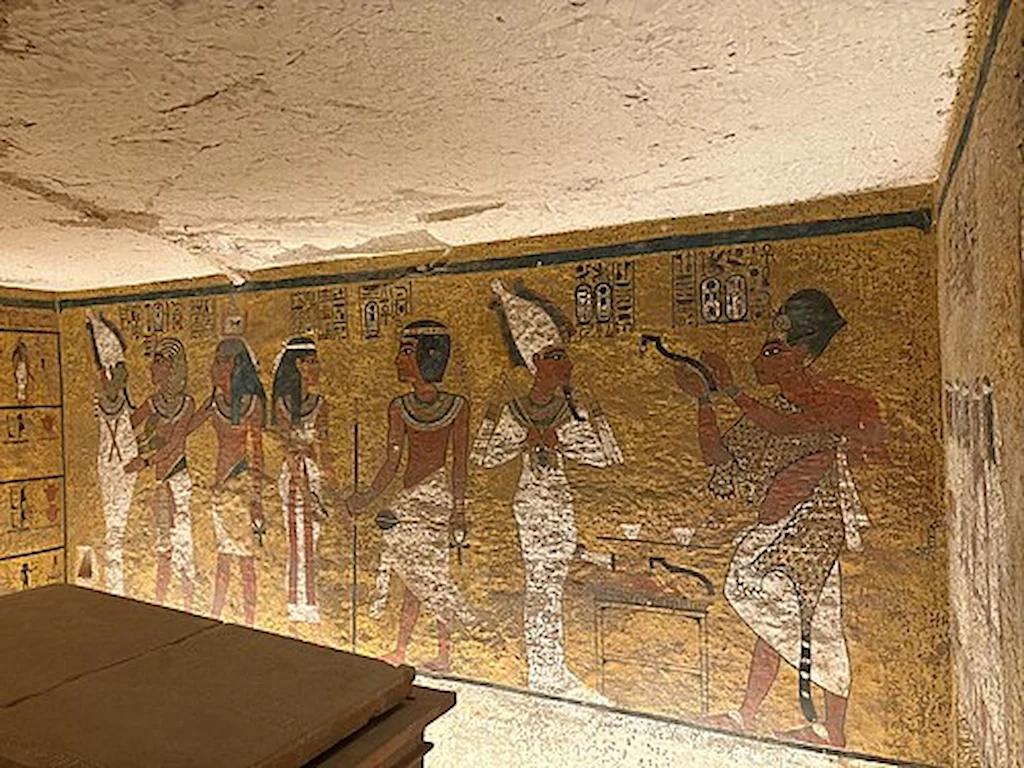
Can You Visit Any Site Linked to Nefertiti Today?
There is no separate “Nefertiti’s tomb” ticket, since no confirmed tomb has been found yet. What you can visit are the real sites tied to her story: the Valley of the Kings, where the hidden-chamber theory centres on KV62, and Cairo’s museums, home to Amarna-era treasures. Here is a quick practical overview.
| Site | Typical Opening Hours | Getting There | Good To Know |
|---|---|---|---|
| Valley of the Kings (KV62) | Roughly 6:00 AM to 4:00 or 5:00 PM daily, seasonal | Luxor’s West Bank; short drive or organised transfer from Luxor city | Tutankhamun’s tomb often requires a separate ticket to the general entry pass |
| Egyptian Museum, Cairo | Roughly 9:00 AM to 5:00 PM daily | Central Cairo, Tahrir Square | Houses Amarna-period reliefs and royal artifacts |
| Grand Egyptian Museum, Giza | Varies by season and hall | Near the Giza Plateau, outside Cairo | Newer galleries continue to expand Amarna-era displays |
Hours and ticket prices change with the season and with new government pricing updates, so treat the figures above as a general guide rather than a fixed rate.
For the current opening times, ticket costs, and the easiest way to combine these stops, our team can confirm exact details when you book a Valley of the Kings tour or a Grand Egyptian Museum tour.
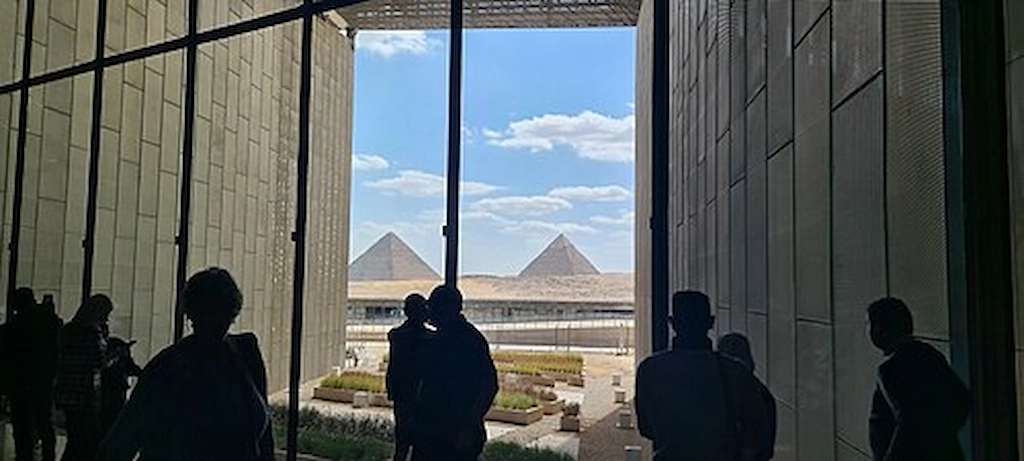
What Archaeology Has Actually Confirmed About Nefertiti
Facts, not theories, tell part of her story. She ruled beside Akhenaten during Egypt’s boldest religious experiment: the worship of a single sun disc, the Aten.
Her limestone bust, unearthed by a German expedition at Amarna, now sits in Berlin’s Neues Museum. For a deeper academic profile of her reign, Ancient Egypt Online’s entry on Nefertiti is a solid starting point.
Ready to see where her story began? Step inside the halls that house Amarna-era treasures on one of our Cairo day tours, including the Egyptian Museum and Grand Egyptian Museum.
A Guide’s Take: What Visitors Get Wrong About Nefertiti’s Tomb
Mostafa, one of our senior Egyptologist guides who has led travelers through the Valley of the Kings for over a decade, hears the same assumption constantly: that Nefertiti’s tomb sits waiting somewhere, fully intact.
“Most visitors think we simply haven’t dug in the right spot yet,” he explains. “In reality, the Amarna Period was erased on purpose by later pharaohs.
We are not just searching for a tomb. We are searching through deliberate destruction.” His field advice: pair a Valley of the Kings visit with the Amarna reliefs at the Egyptian Museum to see both sides of the mystery in one trip.
Could Nefertiti’s Tomb Still Be Found Today?
Possibly. Ground-penetrating radar keeps improving. The Grand Egyptian Museum’s opening has renewed government interest in Amarna-era research, and new excavation permits are issued most seasons. Nothing is confirmed, but the search is far from abandoned.
While the search continues, Luxor’s West Bank remains the closest you can get to her world. A private Nile cruise stop lets you walk the same valley archaeologists study today.
Turning the Mystery Into Your Itinerary
Most travelers do not chase this story alone. They pair it with a wider Egypt route. Start in Cairo among Amarna-era artifacts, move to Luxor for the Valley of the Kings and Queens, then continue toward Aswan for Nile cruise scenery, or unwind afterward on the Red Sea coast in Hurghada.
Why Egypt’s Most Famous Queen Has No Marked Grave
No tomb bearing Nefertiti’s name has ever been confirmed. She was the Great Royal Wife of Akhenaten, mother of six daughters, and possibly a pharaoh herself under the name Neferneferuaten. Then, around year 12 of Akhenaten’s reign, she vanishes from the historical record.
- Great Royal Wife of Pharaoh Akhenaten during the Amarna Period
- Possible co-regent or successor ruling as Neferneferuaten
- Mother of Meritaten and five other daughters
- Subject of the world-famous limestone bust, discovered in 1912
- No mummy has ever been definitively identified as hers
Curious where her family actually rests? Our Luxor tours to the Valley of the Kings take you through the very ground archaeologists keep scanning for answers.
Who Was Nefertiti? A Queen Before the Mystery
Before she became an archaeological puzzle, Nefertiti was one of ancient Egypt’s most powerful queens. She married Akhenaten early in his reign and stood beside him as he abandoned Egypt’s traditional gods for the worship of a single sun disc, the Aten.
Together they built a new capital at Amarna, moving the royal court away from Thebes. Nefertiti bore six daughters, appears in more surviving temple reliefs than almost any other queen, and may have briefly ruled Egypt in her own right after Akhenaten’s death, under the name Neferneferuaten.
Her striking limestone bust, carved around 1345 BCE, remains one of the most recognisable faces of the ancient world. Her later years, however, are almost a blank page.
FAQ: Quick Answers About Nefertiti’s Tomb
Did archaeologists ever find Nefertiti’s mummy?
No mummy has been definitively identified as Nefertiti. The “Younger Lady” mummy from tomb KV35 is one candidate, but DNA and forensic evidence remain inconclusive.
Why isn’t Nefertiti buried in the Valley of the Kings like other queens?
The Amarna religious revolution disrupted normal burial customs. Later pharaohs also worked to erase Akhenaten’s era, which may explain why no confirmed nefertiti tomb egypt site has surfaced in the traditional royal necropolis.
Is the Berlin bust the only evidence Nefertiti existed?
No. Amarna reliefs, temple inscriptions, and her Great Royal Wife title all confirm her reign. The bust is simply her most recognizable artifact.
Will tourists ever be able to visit Nefertiti’s actual tomb?
If a confirmed tomb is ever opened, expect strict conservation rules similar to KV62. Until then, Valley of the Kings and Valley of the Queens tours remain the closest experience available.
The Search Continues
Nefertiti’s tomb remains one of archaeology’s most compelling open questions. Radar scans, DNA tests, and new excavation seasons keep the story alive.
Ready to explore the valley where the search continues? Book your Luxor and Nile cruise experience today.
