
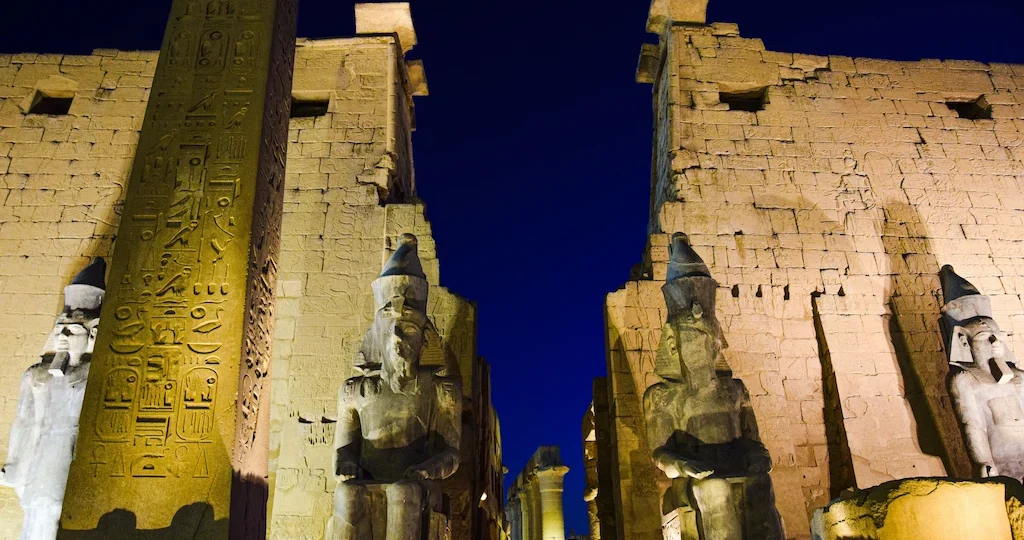
The Social Life of Ancient Egypt: How Pharaohs Built the First Social Network
What did the social life of ancient Egypt really look like — and why does it feel surprisingly familiar? Temples weren’t just places of worship. They were the original public squares, the first broadcast networks, and the beating heart of social life in ancient Egypt.
The Social Structure of Ancient Egypt: A Carefully Ordered World
Ancient Egyptian society ran on hierarchy — and everyone knew their place. The pyramid wasn’t just an architectural wonder; it was a perfect metaphor for their entire social order.
At the very top sat the Pharaoh — not just a king, but a living god, the divine bridge between the human world and the realm of Ra and Amun. Below him, a tightly organized world unfolded:
- Priests and High Officials — the admins of the ancient world, controlling temple wealth, land, and sacred knowledge
- Scribes and Architects — the educated elite who recorded history, designed monuments, and managed taxation
- Artisans, Soldiers, and Merchants — the skilled middle class who built, defended, and traded
- Farmers and Labourers — the backbone of Egyptian civilization, tied to the Nile’s flood cycle
- Servants and Slaves — the base of the pyramid, often prisoners of war or debt workers
| Social Class | Role | Modern Equivalent |
|---|---|---|
| Pharaoh | Divine ruler, living god | Head of State + CEO |
| High Priests | Temple administrators, oracle interpreters | Church leaders + Bankers |
| Scribes | Record-keepers, civil servants | Lawyers + Accountants |
| Artisans | Builders, sculptors, painters | Skilled Tradespeople |
| Farmers | Nile agriculture, grain production | Agricultural Workers |
Ready to walk the streets where these ancient social classes once lived? Explore our Egypt tour packages and step into 3,000 years of living history.
Temples as Town Squares: The Original Social Network
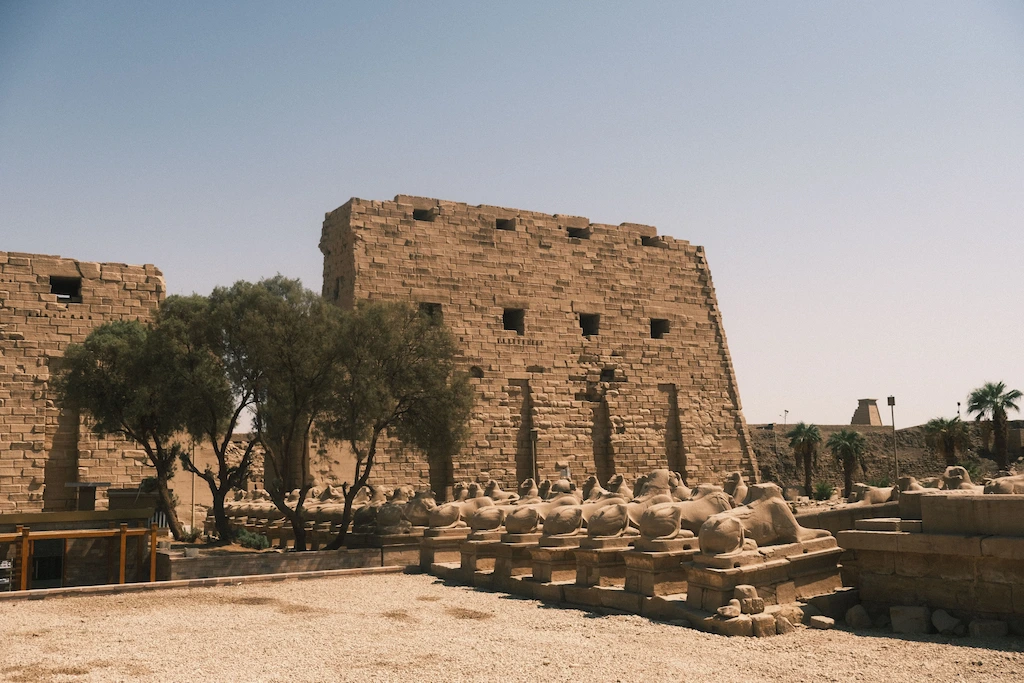
The social life of ancient Egypt didn’t happen in private. It happened in public — loudly, ceremonially, and with spectacular theatrical flair.
Temples like Karnak in Luxor and the great sanctuaries at Aswan served as the community’s Facebook wall, town hall, and news broadcaster all in one. During religious festivals — and there were hundreds of them — the streets filled with processions, offerings, music, and crowd performances that could last for days.
The Opet Festival at Karnak, for example, drew thousands of Egyptians from across the land to witness the sacred barge of Amun travel from Karnak to Luxor Temple. This wasn’t just religion. It was state-sponsored social cohesion — a way to bind communities, reinforce the pharaoh’s divine authority, and give ordinary people a shared cultural identity.
Hieroglyphic inscriptions on temple walls weren’t for the priests alone. They were the ancient world’s viral posts — carved propaganda designed to be seen, remembered, and retold across generations.
How Did Pharaohs Actually Control Public Opinion?
This is where it gets fascinating. The social life of ancient Egypt was carefully engineered.
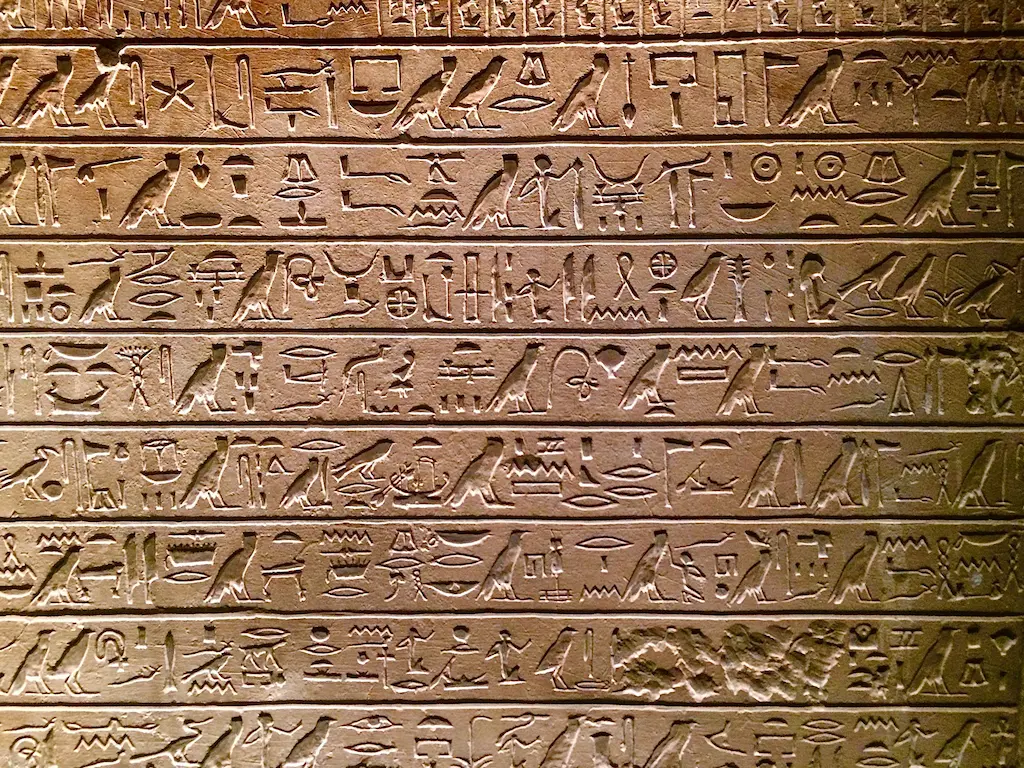
Ramses II was perhaps history’s greatest self-promoter. After the Battle of Kadesh — a military stalemate by most accounts — Ramses had it carved across every major temple in Egypt as a divine victory. Abu Simbel’s façade, Karnak’s hypostyle hall, the Ramesseum: all broadcast the same message. He didn’t just win a battle. He manufactured a narrative and distributed it at scale.
Hatshepsut used the same playbook. As Egypt’s most powerful female pharaoh, she commissioned her mortuary temple at Deir el-Bahari and lined it with reliefs depicting her divine birth — a deliberate social media campaign to legitimize her rule to a skeptical audience.
Akhenaten, on the other hand, broke all the rules. He tried to replace Egypt’s entire religious social framework with monotheistic sun worship. The backlash was so total that after his death, his successors erased his name from monuments — the ancient world’s version of being permanently deplatformed.
Expert Insight — Ahmed, Lead Guide at Nile Travel Machine:
“When I walk tourists through the hypostyle hall at Karnak, I always stop at the cartouches where Thutmose III chiselled over Hatshepsut’s name. That wasn’t vandalism — it was political messaging. It’s the same instinct as deleting a competitor’s post. Ancient Egyptians understood reputation management better than most modern brands.”
Daily Social Life Along the Nile: Beyond the Monuments
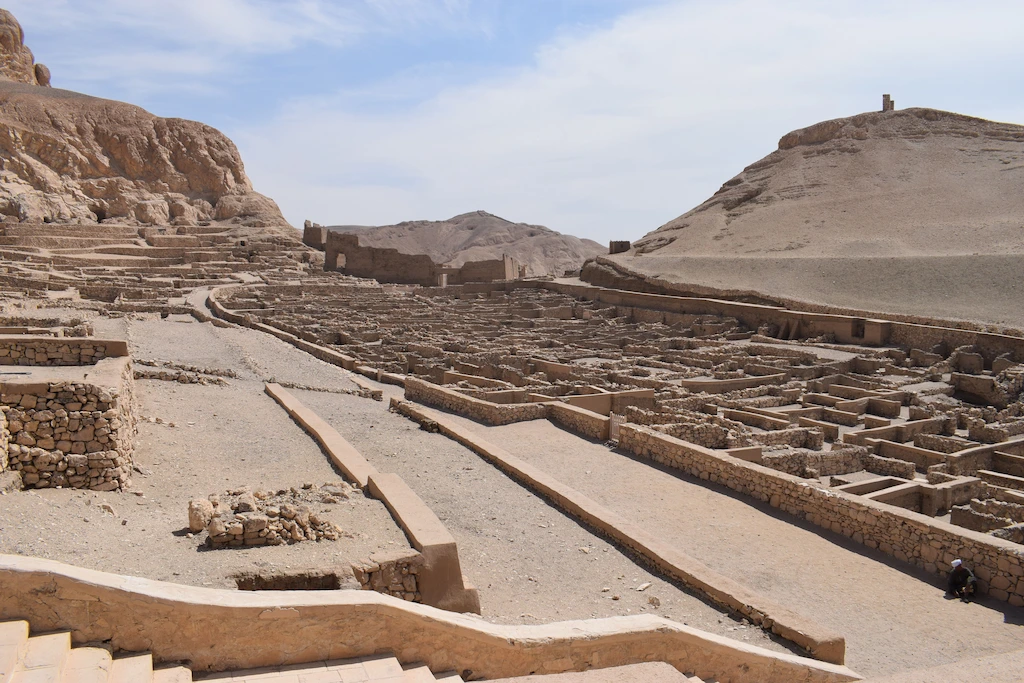
Away from the grand temples, the social life of ancient Egypt was surprisingly rich, warm, and very human.
Villages along the Nile were tight-knit communities. Neighbours shared tools, helped with harvests, and gathered for festivals. Bread and beer were the social currency — shared at every gathering, offered at every altar.
Women in ancient Egypt enjoyed a remarkable degree of legal and social freedom compared to contemporary civilizations. They could own property, initiate divorce, run businesses, and even serve as priestesses. The social hierarchy wasn’t entirely gender-locked — it was status-locked.
Children played with wooden toys, carved dolls, and painted balls found in archaeological sites across Luxor and Aswan. Scribes’ children attended village schools carved into the backs of temples. Social mobility existed — a talented scribe’s son could rise dramatically through Egyptian society.
Music, dance, and storytelling were everyday social rituals. Harps, lutes, and clappers appear in tomb paintings from Saqqara to the Valley of the Kings, showing that the social fabric of ancient Egypt was woven with celebration and art.
Want to walk the same Nile pathways these communities once called home? Our private Dahabiya Nile Cruise sails the exact stretch of river between Luxor and Aswan where ancient Egyptian social life flourished.
The Role of Religion in Binding Egyptian Society Together
You cannot understand the social life of ancient Egypt without understanding religion — because they were inseparable.
The gods weren’t distant figures. They were active participants in daily social life. Amun blessed the harvest. Osiris judged the dead. Hathor presided over love, music, and beauty. Every social act — from planting crops to sealing a marriage — had a divine counterpart.
The priesthood was Egypt’s most powerful social institution. Temples owned vast estates, employed thousands, and controlled food distribution during famine. Being a priest wasn’t just a spiritual calling — it was a career, a social status, and a path to genuine power.
This religious social structure is best understood when you stand inside the Temple of Hathor at Dendera — where the ceiling still blazes with painted zodiac signs and the walls record centuries of communal ritual. It’s not a ruin. It’s a social document carved in stone.
For a deeper academic perspective on Egyptian religious social structures, Britannica’s comprehensive entry on ancient Egypt offers outstanding scholarly context.
FAQ: Social Life in Ancient Egypt
What was the social structure of ancient Egypt?
Ancient Egyptian society was a strict hierarchy: Pharaoh at the apex, followed by priests, scribes, artisans, farmers, and servants. Social mobility was possible — especially through literacy — but rare. The social life of ancient Egypt was shaped entirely by one’s position within this framework.
How did ancient Egyptians build community without modern technology?
Through temples, festivals, and the Nile itself. Religious ceremonies like the Opet Festival at Karnak brought thousands together annually. Villages cooperated through shared agricultural cycles, communal bread-making, and local shrine worship — social bonds formed by shared ritual, not scrolling.
Did ancient Egyptian women have social rights?
Yes — more than in most ancient civilizations. Egyptian women could own land, initiate divorce, run businesses, and serve as priestesses. Queens like Hatshepsut and Nefertiti held extraordinary public power. Social status mattered more than gender in determining one’s rights and opportunities.
Which Egyptian sites best reveal ancient social life today?
The workers’ village at Deir el-Medina in Luxor is the single best window into everyday Egyptian social life — it preserves homes, tools, love poems, and even labour strike records. Karnak Temple, the Luxor Museum, and the Cairo Egyptian Museum also reveal the full spectrum of Egyptian social classes and daily existence.
Ancient Egypt’s Social Legacy — Still Alive on the Nile
The social life of ancient Egypt wasn’t locked in stone. It lives in every festival that still marks the Nile’s seasons, every community that gathers at a local mosque or Coptic church, and every guide who tells these stories to wide-eyed travellers standing inside a hypostyle hall.
Three thousand years of civilization left behind something more than monuments. They left a model of how communities function — through shared stories, divine authority, collective ritual, and the quiet power of daily life lived together.