

New Year in Ancient Egypt: Sirius, the Nile Flood and Five Extra Days
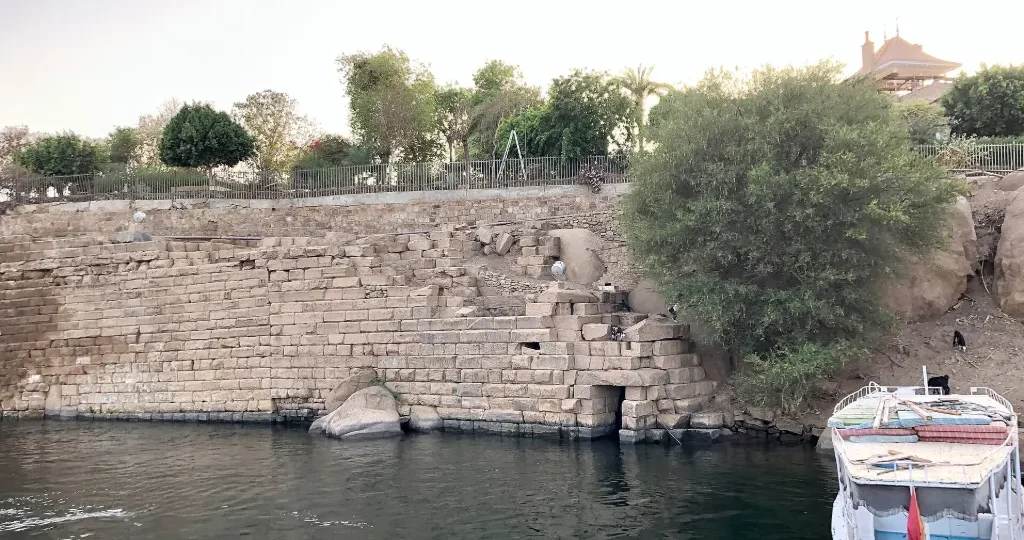
The pharaohs never counted down to January 1. They watched the dawn sky for one bright star and waited for the river to rise. New Year in ancient Egypt began in high summer, and it tells us a great deal about how the Nile shaped everything.
When Did the Ancient Egyptians Start Their Year?
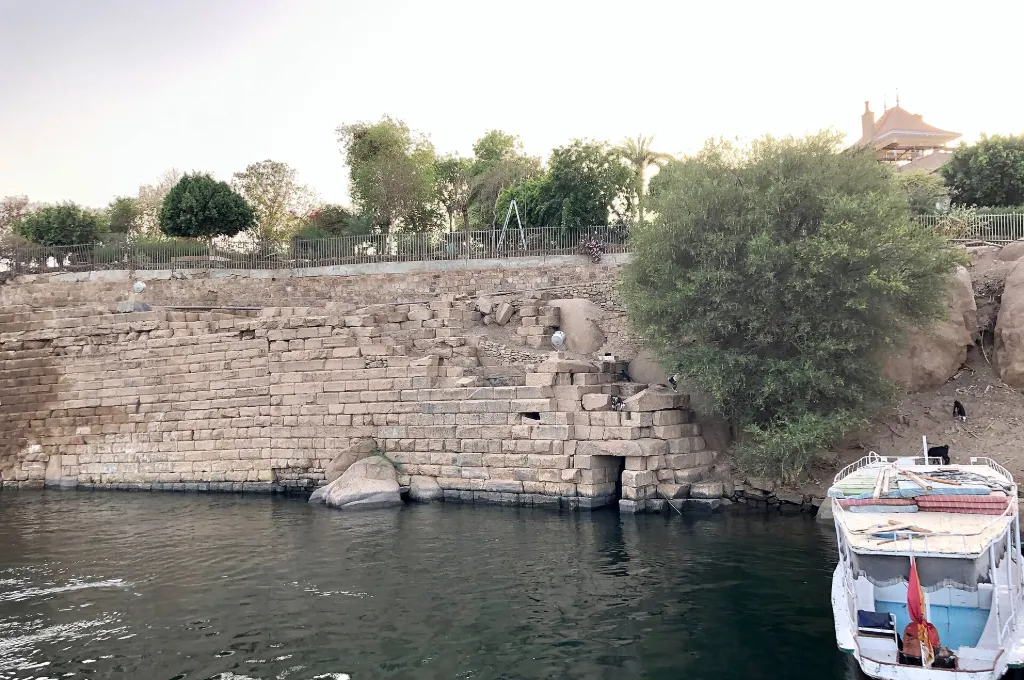
In midsummer, when the Nile began to rise. They called the festival Wepet Renpet, “the opening of the year”.
The date was not fixed to our calendar. It followed the sky. When the star Sirius, which Egyptians called Sopdet, reappeared on the eastern horizon before sunrise, the flood was close and the new year could begin.
For farmers, it was the most important moment of the year. The river brought water and silt, and silt meant bread.
Why Did a Single Star Decide the Calendar?
Because the flood was unreliable and the star was not. The Nile could arrive weeks early or late, but Sirius returned on schedule.
It vanished from the sky for about seventy days and then came back. According to Ancient Egypt Online, the year began with the first new moon after its return.
The seventy-day disappearance echoed the seventy days of mummification. Death, waiting and rebirth were built into both the sky and the funeral rites.
Field tip: Visit a temple just before sunrise. You will see why the eastern horizon mattered so much.
How Was the Egyptian Calendar Built?
Around three seasons of four months, each month with thirty days.
| Season | Meaning |
|---|---|
| Akhet | The flood, when the river covered the fields |
| Peret | Growing, when the water withdrew and seeds were planted |
| Shemu | Harvest, when crops were cut and stored |
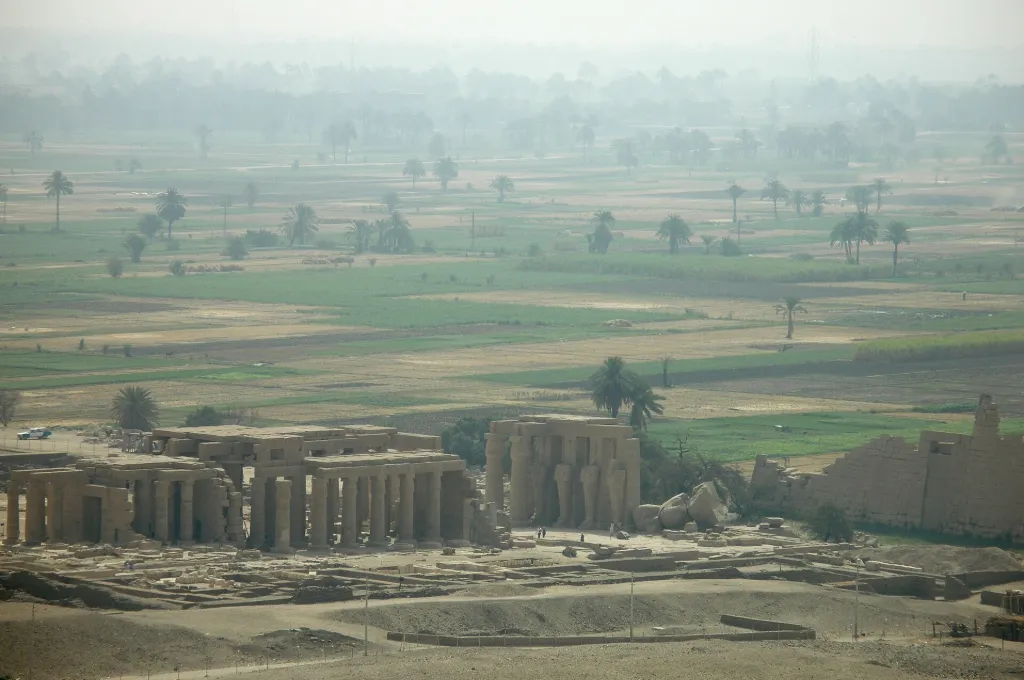
That gives 360 days. Five extra days were added at the end to complete the cycle, and these days had their own meaning.
What Were the Five Extra Days?
They closed the year and honoured five gods born to Nut, the sky goddess: Osiris, Horus the Elder, Set, Isis and Nephthys.
Many Egyptians saw this pause as risky. The old year had ended, the new one had not begun, and protective charms were common. Temples held rituals, and families kept to their routines with extra care.
Read more about the people behind the stories in our guide to ancient Egypt’s pharaohs.
Did Everyone Celebrate the Same Way?
Not exactly. Texts do not describe every party, but temples, offerings and shared meals were part of the festival.
Priests performed rites for the gods, and ordinary families gave gifts and thanks. At Dendera, temple tradition says the statue of Hathor was carried to the roof to greet the sun at the start of the year.
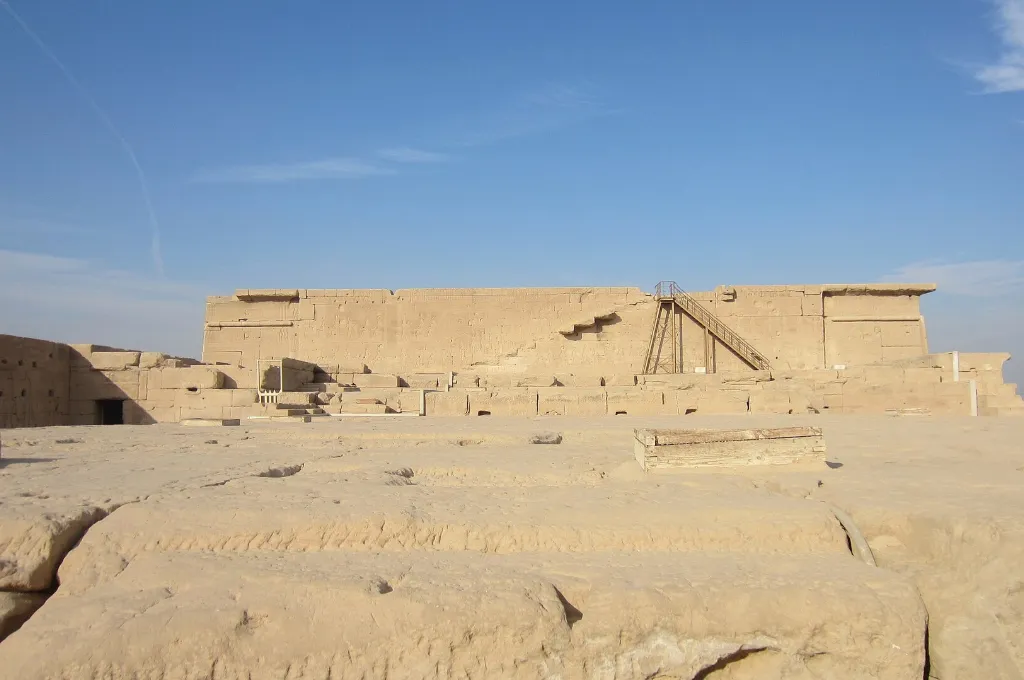
You can climb the same roof today. Read our guide to the Temple of Hathor and our story on the Dendera zodiac for the ceiling that links the temple to the stars.
Where Can You See the Calendar Today?
In Upper Egypt. Dendera, Esna, Edfu and Philae all show astronomical scenes, offerings and ritual art tied to the seasons.
A Dendera Temple visit starts from $35, and an Abydos and Dendera tour starts from $75. Esna sits on many Nile routes, and our Esna Temple guide shows why it is worth a stop.
For a river journey between the temples, a 4-night Luxor to Aswan cruise starts from $1,060.
Does Egypt Still Celebrate an Ancient New Year?
In memory, yes. The Coptic calendar is a direct descendant of the ancient one, and its New Year, Nayrouz, falls around September 11.
January 1 is the modern Gregorian date. Hotels, ships and cities celebrate it with music and dinners. If you want that side of the holiday, start with our New Year in Egypt guide.
How Can You Add Some Ancient Spirit to Your Own Celebration?
Keep it simple. Spend one evening watching the sunset on the Nile, then visit a temple the next morning.
The contrast between modern fireworks and ancient stone is memorable. Our New Year in Luxor guide shows how to fit temples around the holiday.
What Did the Nile Flood Mean for Daily Life?
Everything. The river left rich black silt on the fields, and that silt fed the kingdom. A strong flood meant full granaries. A weak one meant hunger.
Officials measured the water on stone gauges called nilometers, and priests prayed over the result. The country’s ancient name, Kemet, “the black land”, came from that fertile soil. Calendar, farm and gods moved together.
Why Is the Ancient Year Still Worth Knowing?
Because it explains why Egyptian monuments face the sky. Temples align with stars, ceilings carry constellations and festivals follow the river.
When you understand the calendar, a temple visit changes. Scenes of offerings and processions make sense, and the star maps on the ceiling stop being decoration and start being a diary. A good guide can read them aloud for you.
Ancient Egyptian New Year: Quick Answers
What does Wepet Renpet mean?
It means “opening of the year”. It was the name of the New Year festival.
Did Egyptians celebrate on January 1?
No. Their year began in summer, with the return of Sirius and the Nile flood. January 1 is a modern date.
Which star marked the New Year?
Sirius, known as Sopdet. Its return before dawn after about seventy days signalled the flood.
Can you visit places linked to the New Year?
Yes. Dendera, Esna, Edfu and Philae show astronomical and ritual scenes. Luxor is the easiest base.
Ready to Read the Stars in Stone?
Ancient Egypt measured time with stars, floods and gods. You can follow that trail by river and temple, and spend your own New Year among the monuments.
Tell us your dates and we will plan the route. Browse our tours to begin.
