

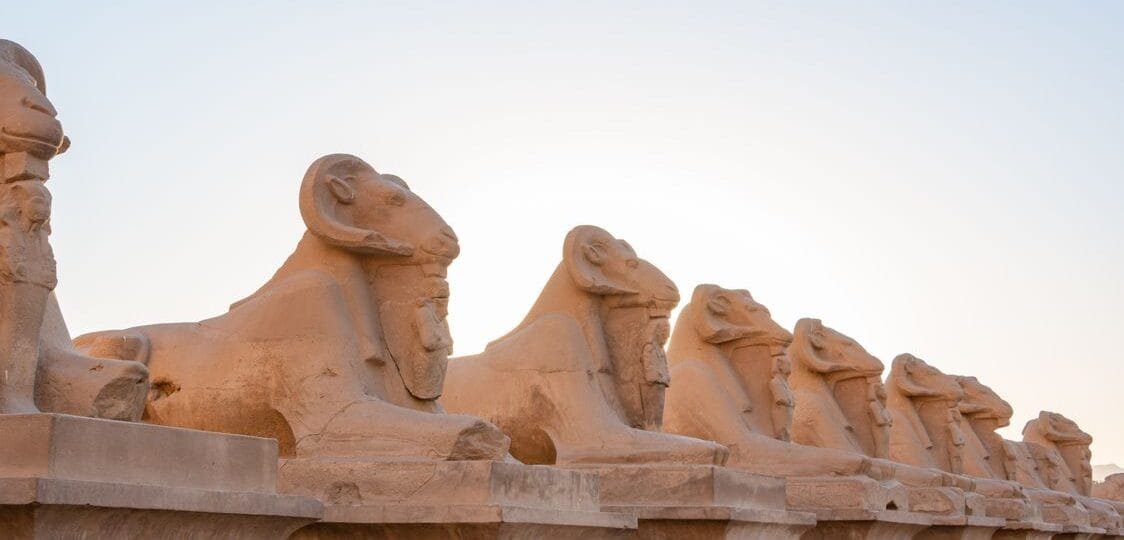
Ancient Capital of Egypt: The 6 Historic Capitals Before Cairo
Which city was really the ancient capital of Egypt? The honest answer is that it wasn’t just one.
Egypt’s throne moved at least six times in 3,000 years, and each move rewrote the balance of religion, war, and power along the Nile.
So, What Was the Ancient Capital of Egypt?
Memphis holds the title of Egypt’s first true capital. Around 3100 BC, King Narmer united Upper and Lower Egypt and built his royal city near modern Cairo, at the exact point where the Nile Valley opens into the Delta.
Memphis kept that crown longer than any other city in Egyptian history, serving as the political heart of the Old Kingdom while the Giza pyramids rose nearby. The site later earned UNESCO World Heritage status, and Britannica’s overview of Memphis covers its religious role in more depth for readers who want the full academic picture.
But asking for “the” ancient capital of Egypt oversimplifies a much longer story. Over three millennia, the seat of power shifted between at least five other cities as dynasties collapsed, religions reformed, and new threats appeared on Egypt’s borders.
Memphis’s importance wasn’t only political. As the seat of the god Ptah, patron of craftsmen and builders, the city doubled as a religious anchor for the Old Kingdom’s pyramid-building age.
Its Old Kingdom rulers used Memphis as a base to organize the labor, grain, and stone needed to raise Giza and Saqqara, tying the ancient capital of Egypt directly to the monuments that still define the country today.
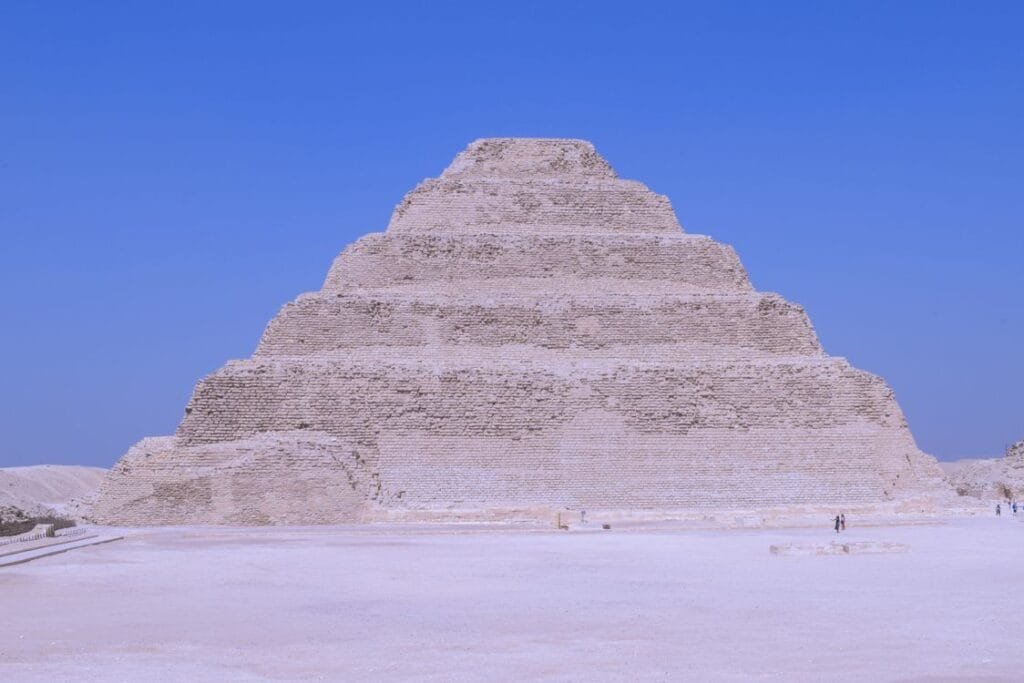
Egypt’s Ancient Capitals at a Glance
| Capital City | Approximate Period |
| Memphis | c. 3100–2181 BC (Old Kingdom) |
| Thebes (modern Luxor) | c. 2055–1650 BC and 1550–1069 BC |
| Itjtawy | c. 1991–1783 BC (Middle Kingdom) |
| Akhetaten (Amarna) | c. 1353–1336 BC |
| Pi-Ramesses | c. 1279–1078 BC |
| Alexandria | 331 BC–641 AD |
The Pharaoh Who Deleted His Own Capital From Egypt’s Map
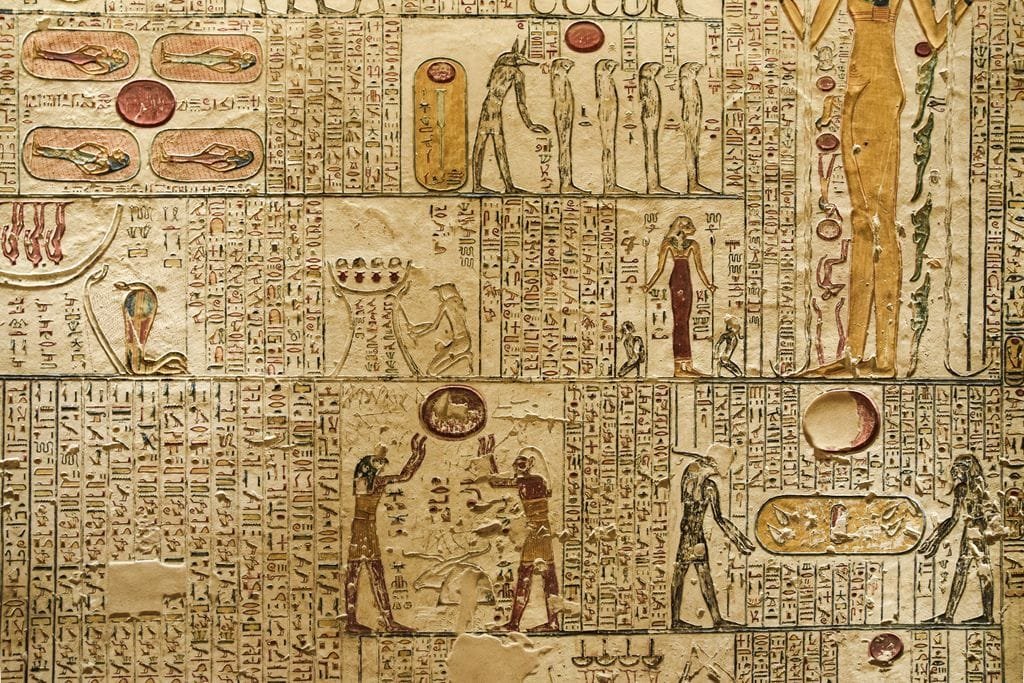
No ruler treated the idea of a capital city more radically than Akhenaten. Around 1353 BC, he abandoned Thebes entirely and broke ground on a brand-new city, Akhetaten, on empty desert land roughly 200 miles north.
He built it in under five years and dedicated it to a single god, the Aten, cutting priests of Amun out of power completely. The experiment didn’t survive him. Within a decade of Akhenaten’s death, Tutankhamun‘s court quietly moved the capital back south, and later pharaohs dismantled Akhetaten’s temples for building stone elsewhere.
Nefertiti ruled beside him from this same city, and together they raised their family in open-air temples designed to catch direct sunlight, a sharp visual break from the covered, torch-lit sanctuaries of Thebes. The site, known today as Amarna, sat almost untouched until archaeologist Flinders Petrie began excavating it in the 1890s.
Guides at Nile Travel Machine still call it “the capital that time forgot,” since it’s one of the only pharaonic cities where visitors can trace a full ancient street grid instead of a single standing temple.
Why Thebes Held Egypt’s Throne for a Thousand Years
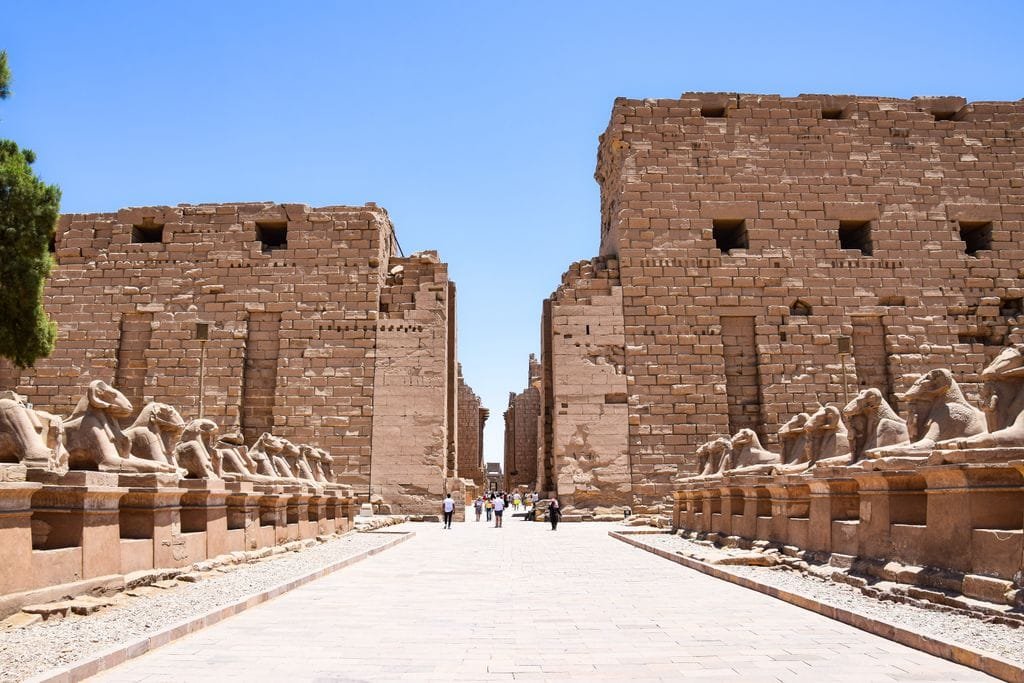
Thebes first rose to power during Egypt’s chaotic First Intermediate Period, when local Theban rulers fought their way to reunifying the country and launched the Middle Kingdom. Centuries later, New Kingdom pharaohs ruled a growing empire from the same city, pouring wealth into Karnak Temple as the national home of Amun-Ra.
By the height of the New Kingdom, Karnak had grown into the largest religious complex the ancient world had ever seen, expanded by pharaoh after pharaoh for over a thousand years. Even after Ramesses II later shifted the political capital north to Pi-Ramesses in the Nile Delta, closer to Egypt’s military frontier, Thebes kept its status as the country’s religious capital for centuries more.
Ready to walk the same stone courts as Egypt’s New Kingdom pharaohs? Explore our Luxor day tours and see Karnak for yourself.
From the Delta to the Mediterranean: Egypt’s Last Ancient Capital
By the time Alexander the Great arrived in 331 BC, Egypt’s political center had already drifted north for centuries, from Memphis to the Delta cities that guarded against invasion. Alexander founded Alexandria on the Mediterranean coast, and under the Ptolemies it became Egypt’s final ancient capital, a Greek-speaking port city unlike anything the Nile Valley had produced before.
For the first time in Egyptian history, the throne sat facing the sea instead of the river. That shift also marked the beginning of Cairo‘s later rise, once Islamic rulers moved Egypt’s center of power back toward the Memphis region centuries afterward.
Can You Still Visit Egypt’s Ancient Capitals Today?
Most of these cities left real, walkable ruins behind:
- Memphis: the open-air museum at Mit Rahina, plus the nearby Saqqara necropolis, both covered on our Tours of the Pyramids in Egypt itinerary.
- Thebes: modern Luxor, home to Karnak, Luxor Temple, and the Valley of the Kings on the West Bank.
- Amarna: quiet desert ruins near Minya, best reached with a private guide since tourist infrastructure is limited.
- Alexandria: coastal ruins, catacombs, and museums, worth a Mediterranean detour after Cairo.
Ready to sail the river that carried six capitals? Browse our Upper Egypt travel guide and trace this history for yourself, from Cairo down to Aswan.
Frequently Asked Questions
How many capitals did ancient Egypt have?
At least six cities served as Egypt’s capital across 3,000 years, including Memphis, Thebes, Itjtawy, Akhetaten, Pi-Ramesses, and Alexandria. Historians sometimes count even more, since a few of these cities briefly shared power during periods of political division.
What was the oldest capital of ancient Egypt?
Memphis was the oldest ancient capital of Egypt, founded around 3100 BC after King Narmer united Upper and Lower Egypt under one crown.
Why did Egypt’s capital move so many times?
Religion, politics, and war each pushed pharaohs to relocate power, from Akhenaten’s religious break with Thebes to the Delta’s strategic position against foreign invasion. A new capital also let an incoming dynasty distance itself from the priesthoods and officials loyal to the old regime.
Can tourists visit Amarna today?
Yes. Amarna sits near Minya and can be visited with a private guide, though it receives far fewer visitors than Luxor or Cairo.
Final Thoughts
Egypt never had just one ancient capital, it had at least six, and each one reshaped the country’s religion, art, and power in a different direction.
From Memphis’s pyramids to Thebes’s temples, the story of these shifting cities is really the story of Egypt itself. Each capital left its own monuments, its own gods, and its own lessons about how ancient Egyptians defined power.
Ready to see where it all happened? Book your Nile journey with Nile Travel Machine today.
